Roof Damage Repair
in Olathe, KS
Repair planning for wind, hail, tornado, ponding, seam, flashing, fire and freeze damage on Olathe commercial roofs, with findings dated and mapped.
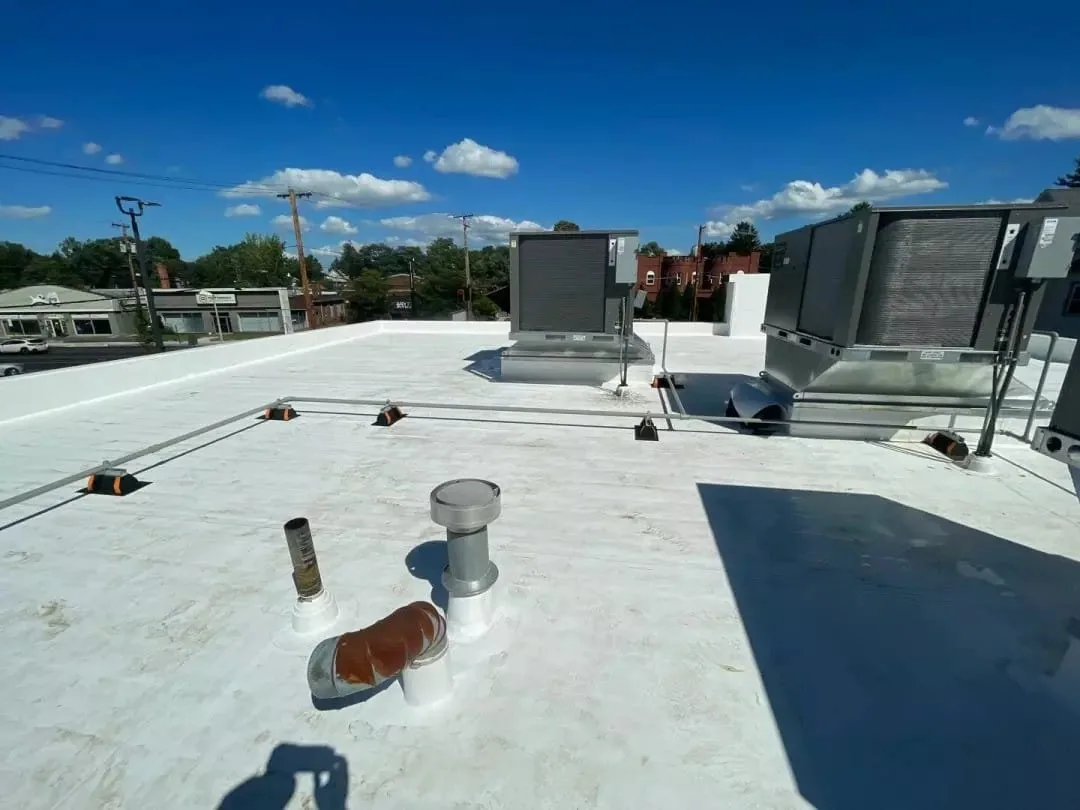
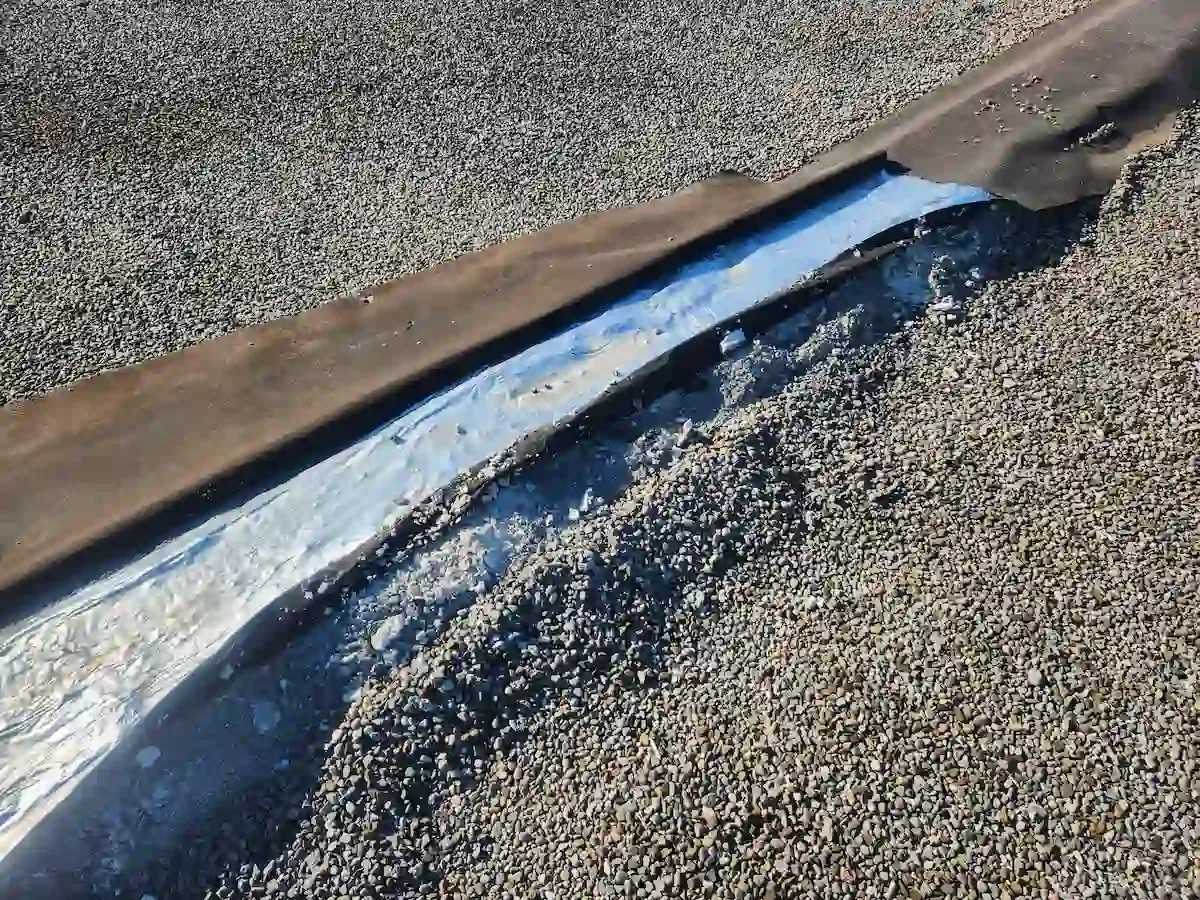
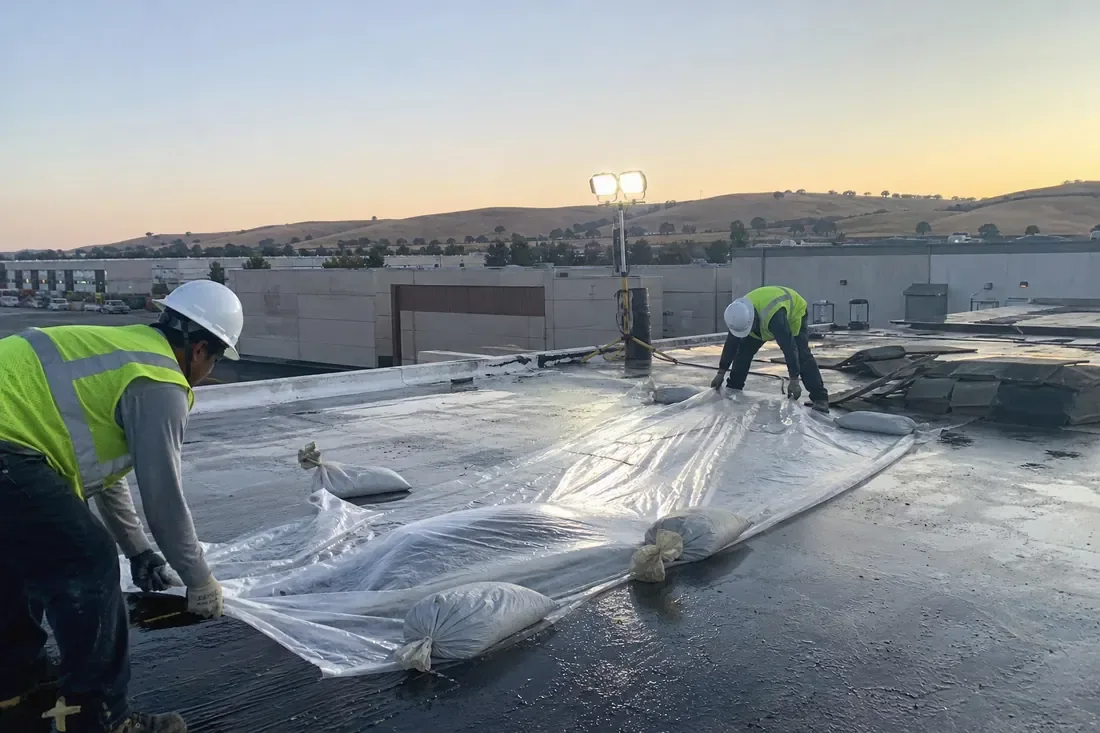
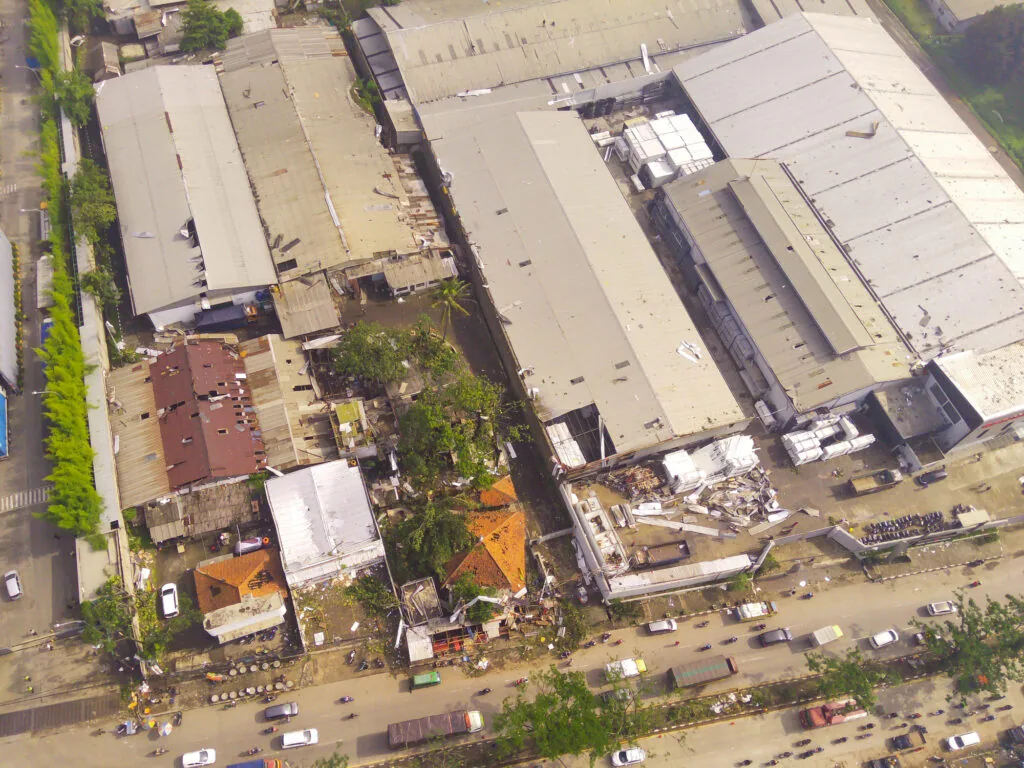
Event damage with a date attached
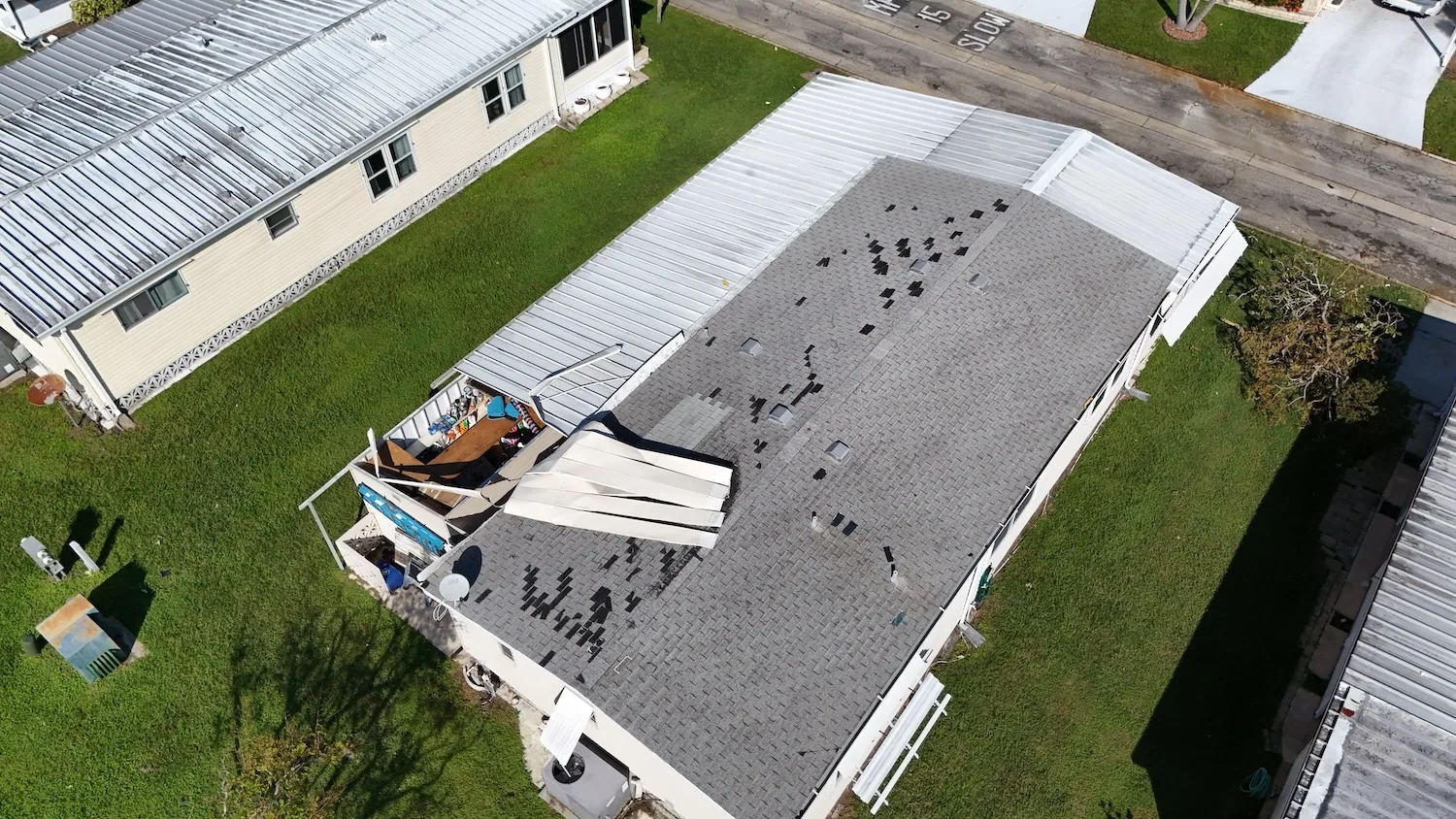
Storm findings are strongest when they are recorded soon after the event, by roof area. Wind damage roof repair starts with edge metal, coping and loose membrane at perimeters, hail damage roof repair with impact patterns and fractured surfaces, and tornado damage roof repair with debris impact and structural questions that may need an engineer. For all three, the first visit records what is open to weather and what can wait, and temporary protection goes on before the permanent scope is priced.
Fire damage roof repair adds deck condition and smoke-water damage below.
Cold and heat as repair drivers
Snow and ice roof damage repair addresses blocked drains, ice at edges and freeze-thaw splitting, and heat and UV roof damage repair addresses surface crazing, shrinkage and sealant loss. The right temporary measure depends on the season, and a repair made in freezing weather is logged so it can be revisited when conditions allow a permanent fix. Adhesives and sealants have temperature limits, and a repair that looks sound on a cold day may need to be redone when the roof warms.
Emergency response runs around the clock, holidays included.
Wear that works through the seasons
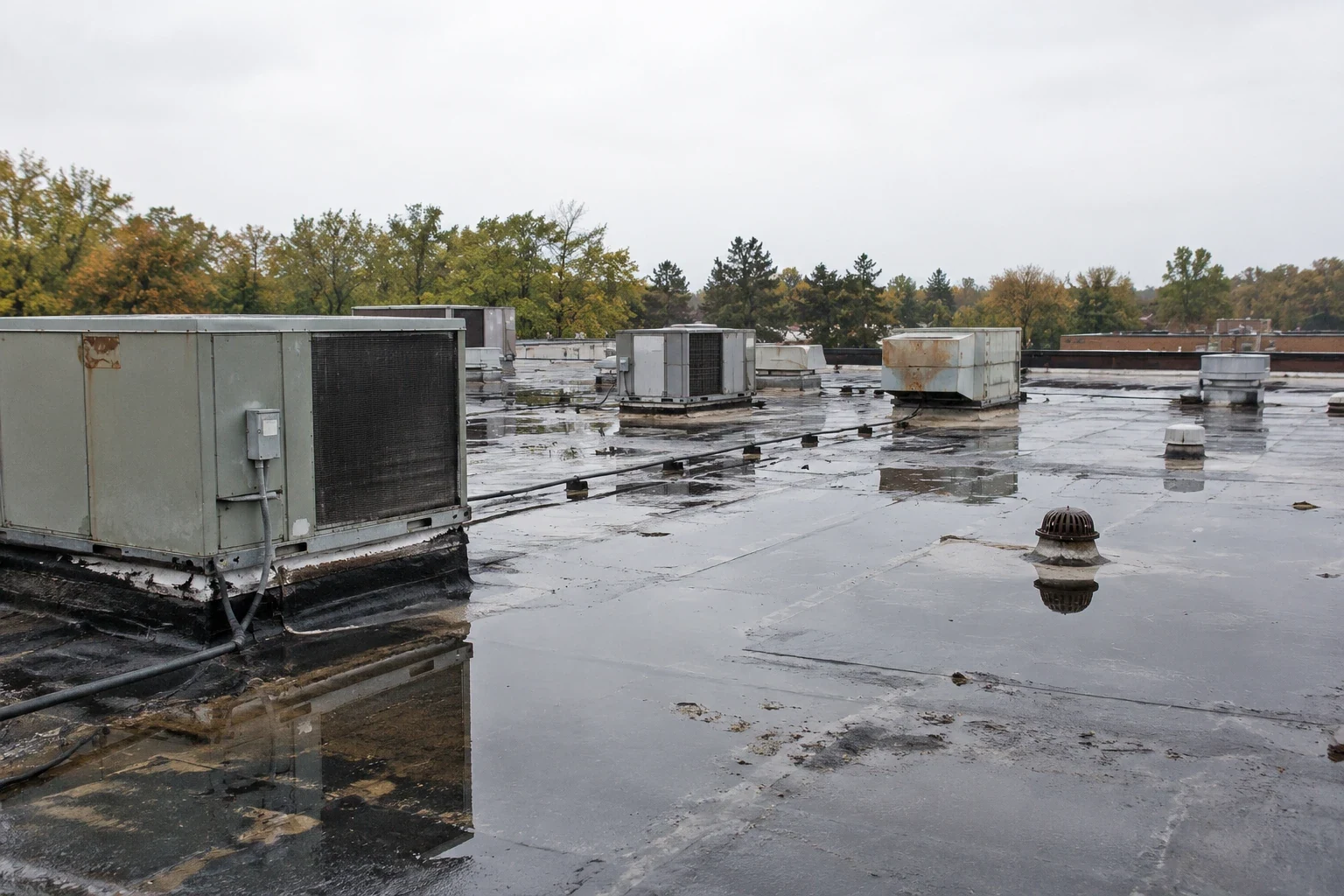
Most leaks have a slower cause. Ponding water roof repair asks whether the drains, the slope or the deck deflection holds the water, and seam failure repair and flashing failure repair deal with the joints that move with the temperature, where a seam that opened in January may close in July and mislead a summer inspection. Membrane puncture repair covers damage from foot traffic, tools and fallen objects, and each puncture is mapped because a cluster near a hatch or a unit points to a traffic route that needs walkway protection.
Joints that open in the 29.8°F average of January and close again near July's 78.8°F are working through that whole span each year.
Turning a repair into a record
Each repair should end with a photograph, a roof-plan location and a note on whether the cause was an event or wear. Send the roof plan, earlier reports and the date of the damage, and the written assessment that comes back lists what needs repair now, what belongs in a later budget, and whether the repair line has begun to approach a replacement case.
Questions About Roof Damage Repair
How soon after a storm should a roof be inspected?
As soon as it is safe to walk, because fresh damage is easiest to date and photograph.
What separates hail damage from age-related cracking?
Look at pattern and location. Hail leaves impacts across exposed surfaces, and age-related wear gathers at seams, drains and flashings.
Can ponding be repaired without replacing the roof?
Sometimes, if the cause is a clogged drain or a local low spot, though structural deflection may call for a larger change.
Does a temporary repair affect an insurance claim?
A dated, photographed temporary repair protects the building and the record, which helps show the owner acted promptly.
Send the date of damage and the roof plan
Share photographs, prior reports, the date of the event and an access contact, and we will answer with a written assessment that treats repairs as one list and long-term planning as another.