KEE Roofing in Olathe, KS
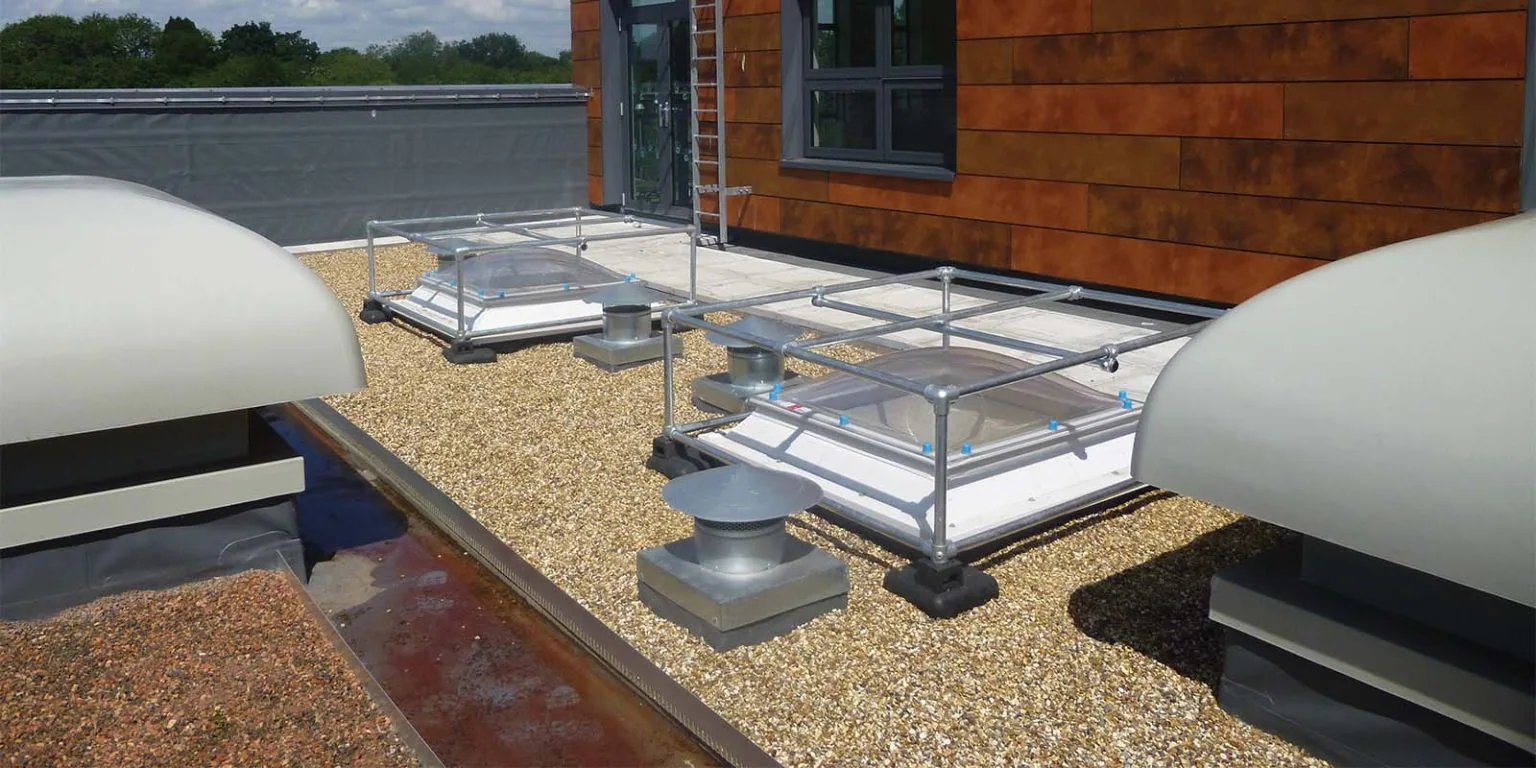
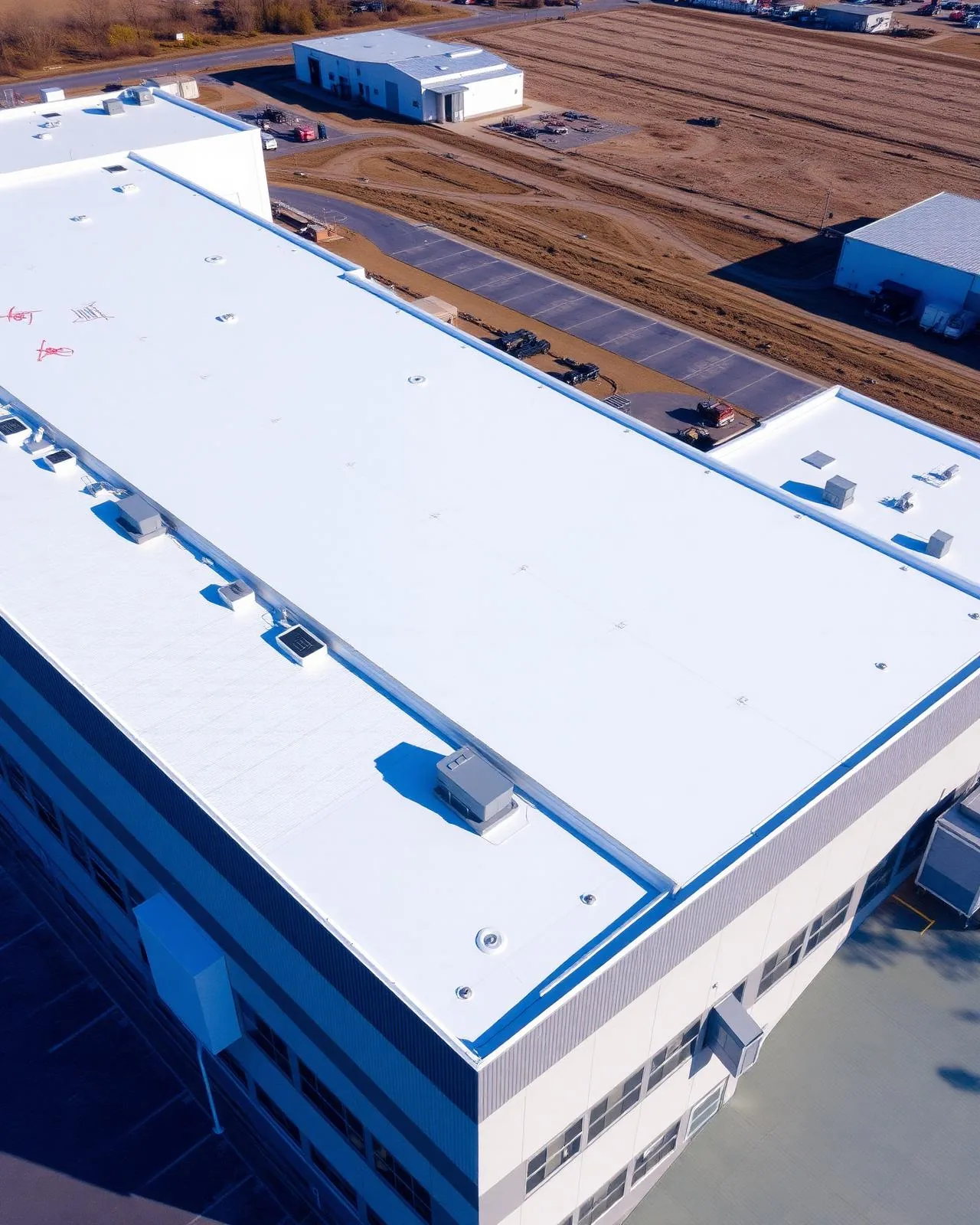
A KEE membrane enters the discussion when a roof has gone stiff around an exhaust fan or a seam has opened beside a vent, because the replacement window is the moment to choose something that tolerates the exposure. KEE is a PVC-alloy single-ply sheet in which a ketone ethylene ester modifier replaces much of the monomeric plasticizer that ages out of ordinary PVC. That keeps the sheet flexible for longer under heat, oils and cleaning chemicals. For an owner in Olathe, KS, the decision still starts with the roof-area register, the drainage record and a plain count of how many repair lines a section has generated in recent capital years.
Send the exposure notes, the register and the decision date
Tell us which roofs sit under exhaust, oil or chemical vapor and what reports exist. We will document the field condition and prepare a scope version that compares KEE with the alternatives.
Where a PVC-alloy sheet earns its cost
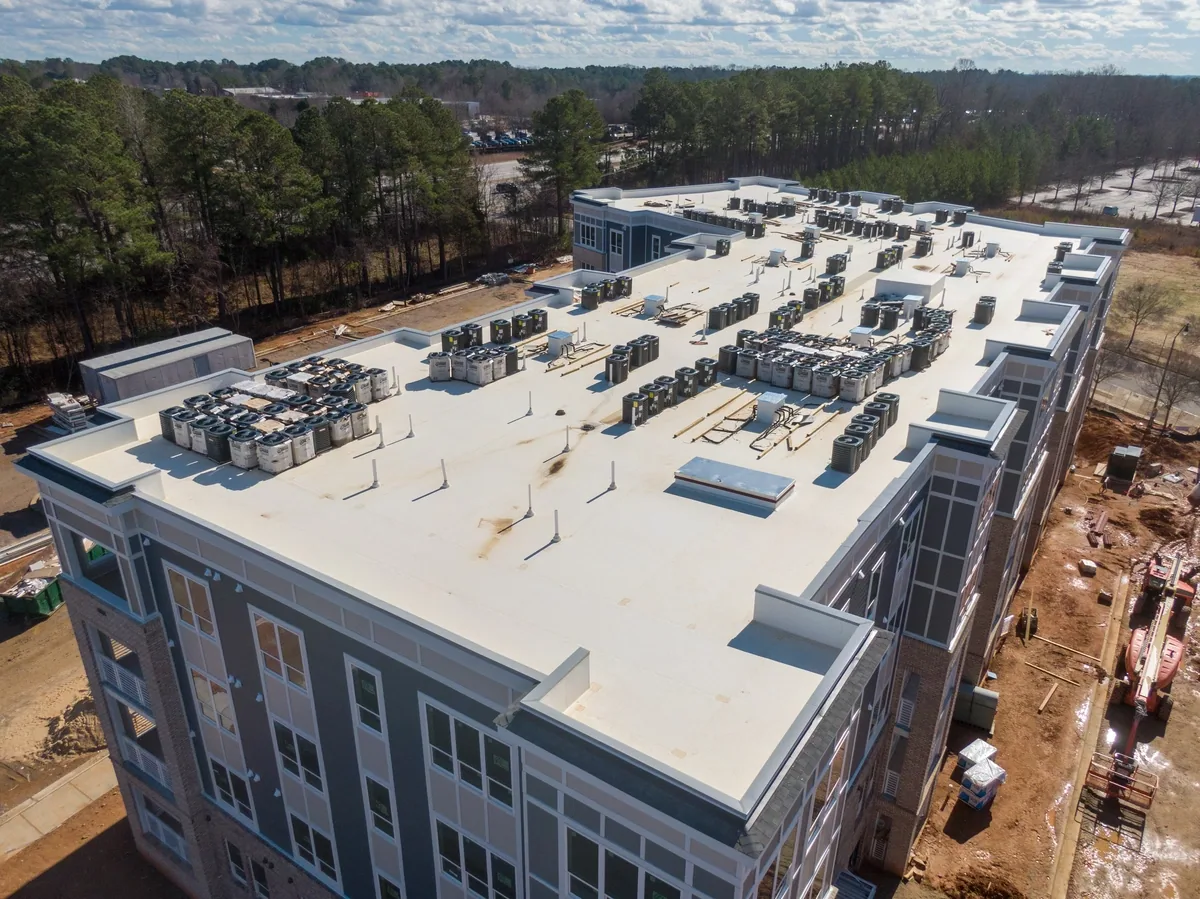
KEE belongs on roofs where the exposure is the problem: rooftop kitchen exhaust, process vents, cooking oil, animal fat, refrigeration condensate and roofs that sit above heat sources. A sheet that stays supple in those conditions keeps its seams and flashings from cracking at the details that fail first on other membranes.
It is not the answer for every building. On a quiet office or a dry warehouse with no chemical load, a thermoplastic sheet like TPO may serve the same life at a lower first cost. The difference between a plain PVC roof and a KEE roof shows up after long exposure, not in the first few seasons, so the owner should weigh the length of time they will hold the building against the premium. We lay the options out against the reserve plan so the comparison stays on the capital year and not on a brochure.
Seams, penetrations and the welded detail
Like other thermoplastic sheets, a KEE membrane is joined by hot-air welding, so the quality of a roof is the quality of its welds. Weld width, probe test results and the cleanliness of the surfaces at the time of welding determine whether a lap holds through a decade of movement. We probe a sample of seams on every visit, and we cut test samples from repairs when the owner asks for proof.
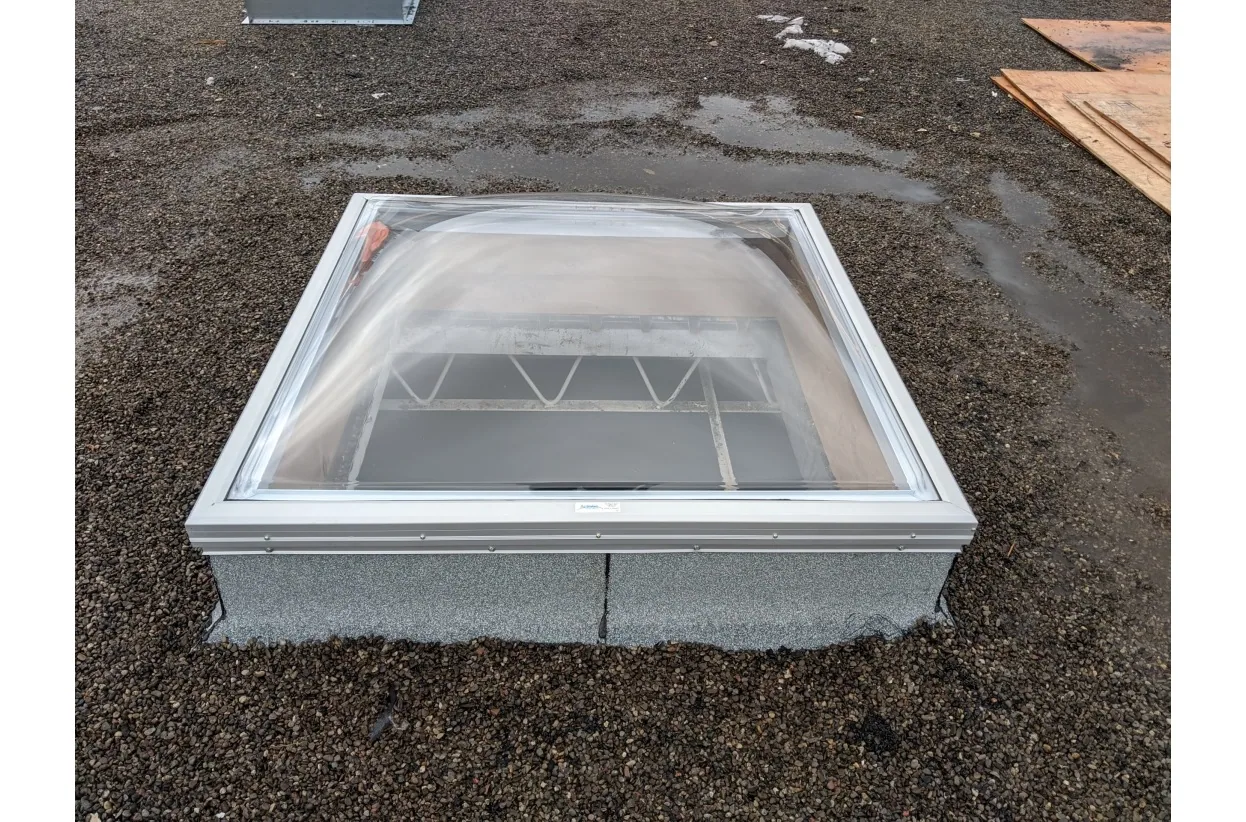
Penetrations get the most attention. A pipe boot, a curb corner or a drain sump that was hand-fabricated is a place where one weld meets another, and those junctions fail before the field does. Prefabricated pieces reduce the number of hand welds, and our penetration flashing work records which pieces were used. For roofs under constant grease exposure, we also keep a cleaning log, because residue left on the surface can interfere with later repairs and make the roof slippery for service crews.
Olathe's temperature range and what it asks of a membrane
At the Olathe airport station the January mean is 29.8°F and the July mean is 78.8°F, with daily highs of 39.4°F and 89.4°F in those months. The station also logs 109.6 days a year with lows at or below freezing and 37.54 inches of precipitation. A roof that sits above a hot kitchen exhaust in July and a freezing drain in January moves through a larger range than the weather alone implies, and the roof-area register should note which sections sit above heat sources.
Gusts near 80 mph, estimated in the Weather Service survey of the May 19, 2024 wind path between Gardner and Olathe, are a dated inspection trigger and not a typical year. For KEE roofs in that path we check the perimeter, the attachment pattern and the base flashings. Metro thunderstorms can drop hail, which we treat as an event inspection. A sheet that has stayed flexible resists splitting from impact better than a stiffened one, but that is a reason to inspect, not a reason to assume the roof is undamaged.
What we look for on an aging KEE roof
The signs of aging on a PVC-alloy roof are subtle. Surface chalking, dull color, slight shrinkage at wall flashings and faint cracking around fasteners are early warnings. Standing water over a seam, pale staining that follows a drain path and softening near an exhaust outlet tell us where moisture and chemicals have collected.
We check each roof section against the previous visit, record the repair count and photograph the details that moved. Where leaks keep appearing in the same area, we use an infrared moisture survey to find wet insulation before a repair is written. That insulation, not the membrane, often controls whether the answer is a patch, a partial replacement or a full renewal.
More About KEE Roofing in Olathe, KS
Placing KEE inside the capital year
For an owner with several properties, the portfolio sequence should put exposure roofs first. A restaurant, a food plant or a building with process exhaust gets a KEE review ahead of a dry storage building, because the first has a reason to change and the second may not. Olathe's economic-development plan describes large industrial developments in southern Olathe and names corridors including K-7 and I-35/Santa Fe, and the Kansas Department of Transportation describes K-10 as a corridor of industrial, high-tech, office and commercial use.
Each building receives a scope version with membrane, insulation, attachment, flashings, drain corrections and exposure notes, and a bid basis that other roofing options can be compared against. On the code side, the city adopted the 2018 International building, existing building and energy codes as of September 1, 2019, and each project confirms the edition in force. Our roof capital planning work turns those scope versions into a reserve schedule.
Installation season and tenant coordination
Welding is a warm-weather job. Cold sheets are stiff and difficult to fit around corners, and moisture on the surface prevents good fusion. Most replacements are scheduled between spring and fall, with materials ordered ahead so the crew is not waiting on flashings. A restaurant or plant has its own constraints: exhausts shut off briefly for flashing work, access routes avoid delivery windows, and the roof stays watertight at the end of each shift.
Tenant coordination matters on a food or process building. The crew confirms which exhaust fans can be shut down, for how long, and who at the property approves it. Hot-air welders and cleaning solvents are kept away from air intakes, and the roof is left with a clear walk path for service technicians at the end of every day. A record of the day's work, with photographs of finished tie-ins, goes to the property contact.
Warranty and maintenance obligations follow the installation. The owner receives a calendar of cleaning, inspection and drain service that keeps the membrane within the terms of its coverage, and each completed item is added to the register so the file stays current for the next capital year.
Commercial Roofing Questions
How does KEE differ from standard PVC in daily service?
The modified plasticizer system resists leaching, so the sheet stays pliable longer when exposed to heat, oils and cleaners. On a roof with none of those exposures the difference may take many years to matter.
Which roofs in Olathe are candidates for KEE?
Those with documented exhaust, grease, oil or chemical exposure and an owner who expects to keep the building for a long hold. The roof-area register and the exposure notes decide, not the building type alone.
Can a KEE roof be recovered?
Yes, when the insulation is dry and the deck supports another layer. Core samples and moisture readings settle it, and the scope version states which layers remain.
What happens to the warranty if another trade damages the sheet?
The damage is documented and repaired to the manufacturer's detail. Because warranty terms differ between projects, we keep the paperwork for each roof together with the repair record.
Does the 2024 wind event change a KEE roof inspection?
Only for buildings in or near the reported Gardner-to-Olathe path. There, perimeter and flashing inspection is a priority, and elsewhere the regular interval applies.
Send the exposure notes, the register and the decision date
Tell us which roofs sit under exhaust, oil or chemical vapor and what reports exist. We will document the field condition and prepare a scope version that compares KEE with the alternatives.