Distribution Center Roofing in Olathe, KS
Census QuickFacts puts Olathe's 2022 transportation and warehousing receipts at $547.337 million, which is a useful reminder that a distribution roof here is part of an operating asset, not just a lid. A leak over a pick module or a dock leveler costs throughput, and a replacement scheduled in the wrong quarter can collide with the heaviest shipping weeks. We plan distribution center roofs backward from the date the operator can least afford disruption, then fit inspections, repairs and capital work into the quiet intervals before it.
The first deliverable is a dated field condition record for each roof section, with the drainage record and a list of items that are repair candidates, renewal triggers or simply watch items.
Bring the dock calendar and the roof records
Send the building list, the peak-season calendar, any roof-area register, prior reports and an access contact. We will inspect, mark each finding as repair, watch or renewal, and give the owner a written scope that fits the operation.
A decision summary for operators and landlords
Distribution tenants and the landlords who own their buildings often read a roof differently. The operator cares about dry inventory and uninterrupted dock work. The owner cares about the replacement window, the reserve and who pays for what under the lease. A written summary that separates three categories keeps both conversations straight: current repairs that protect the operation, deferred items with a stated time limit, and planned renewal with a capital year.
The city's economic-development plan puts Lineage Logistics and FedEx, along with Lone Elm Commerce Center and 56 Commerce Center, among southern Olathe's large industrial developments. Owners in that setting compare buildings of similar use, so the scope version we write is specific enough that two bids can be set side by side.
Reading a distribution roof from the dock wall to the far parapet
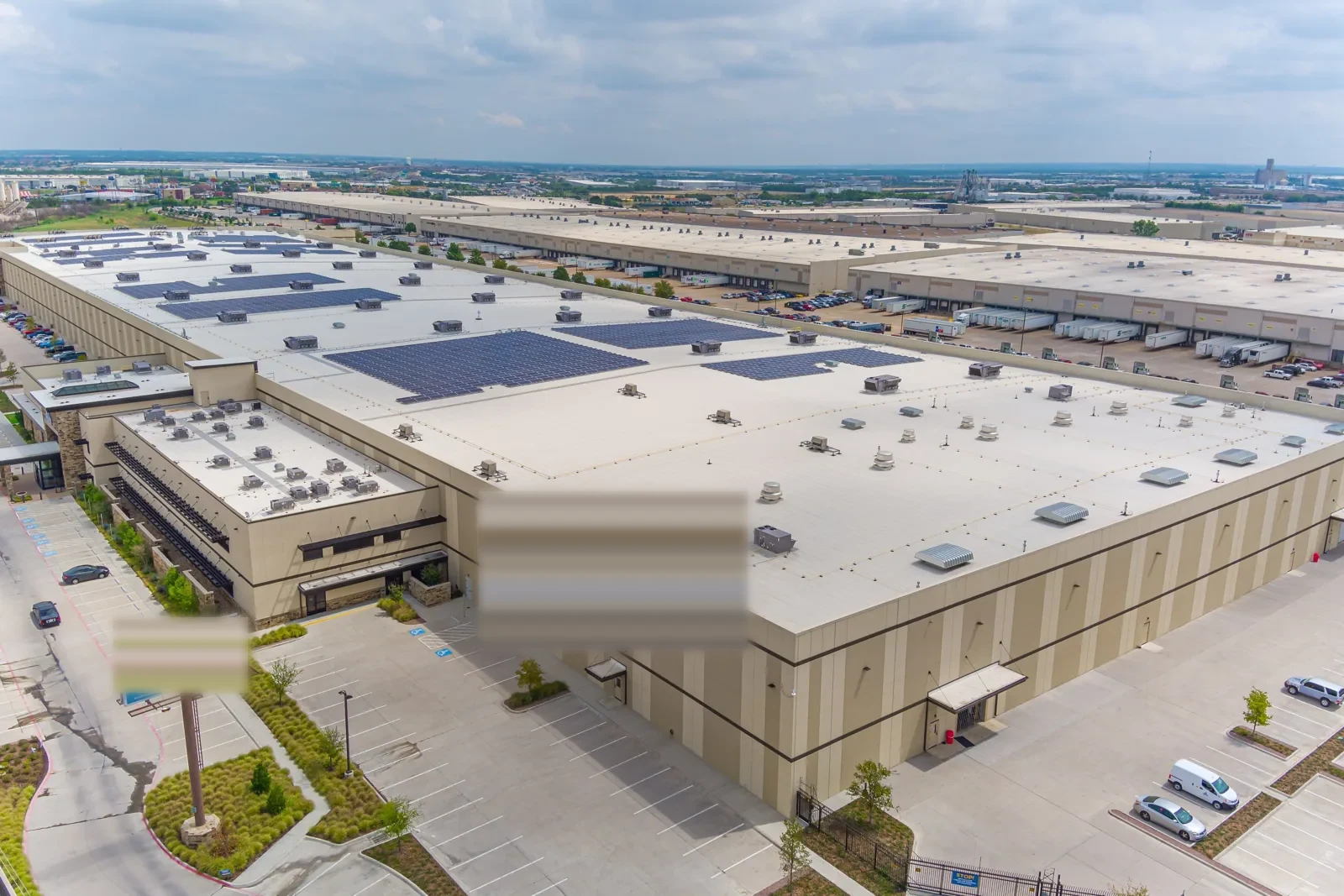
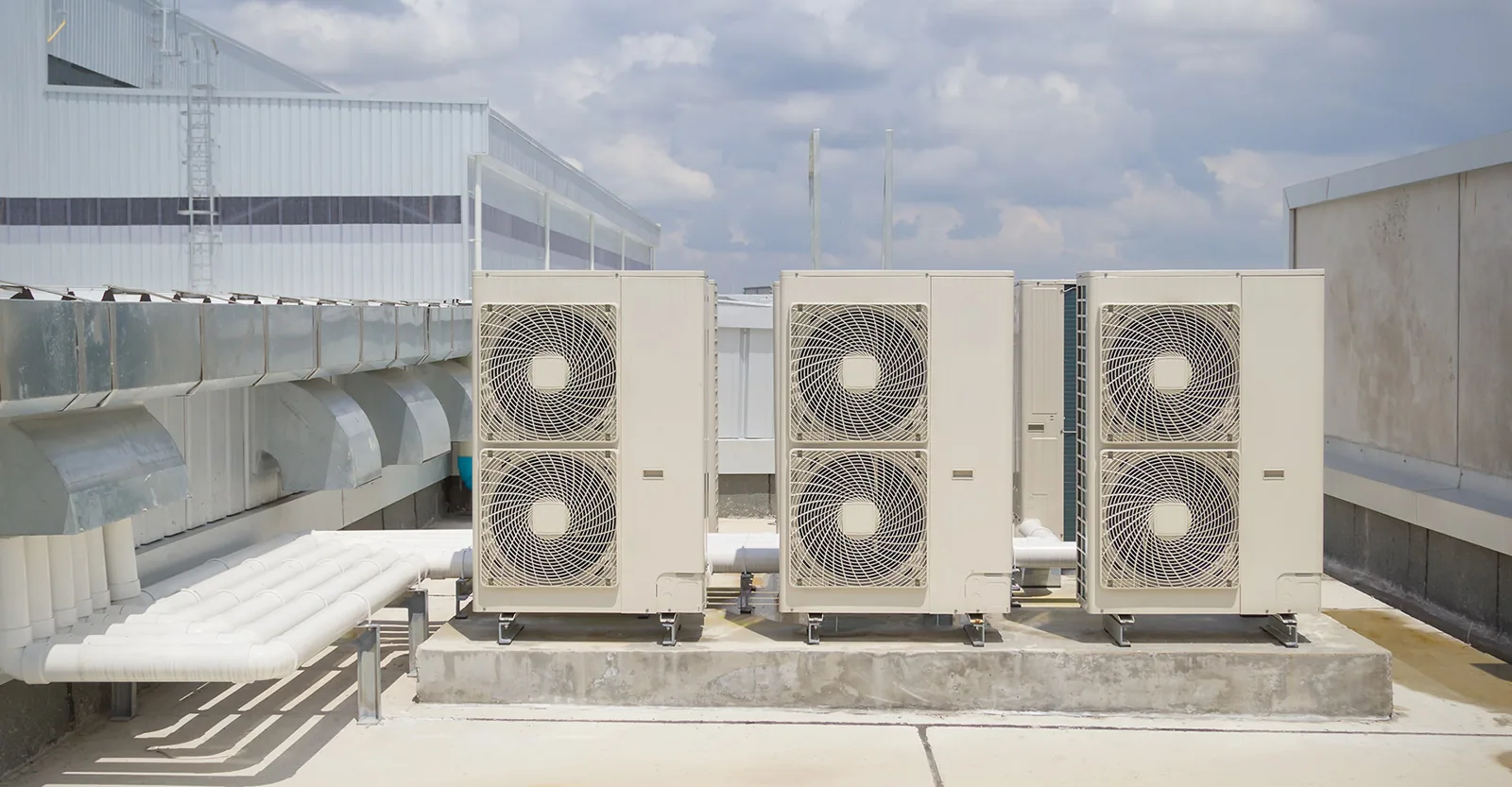
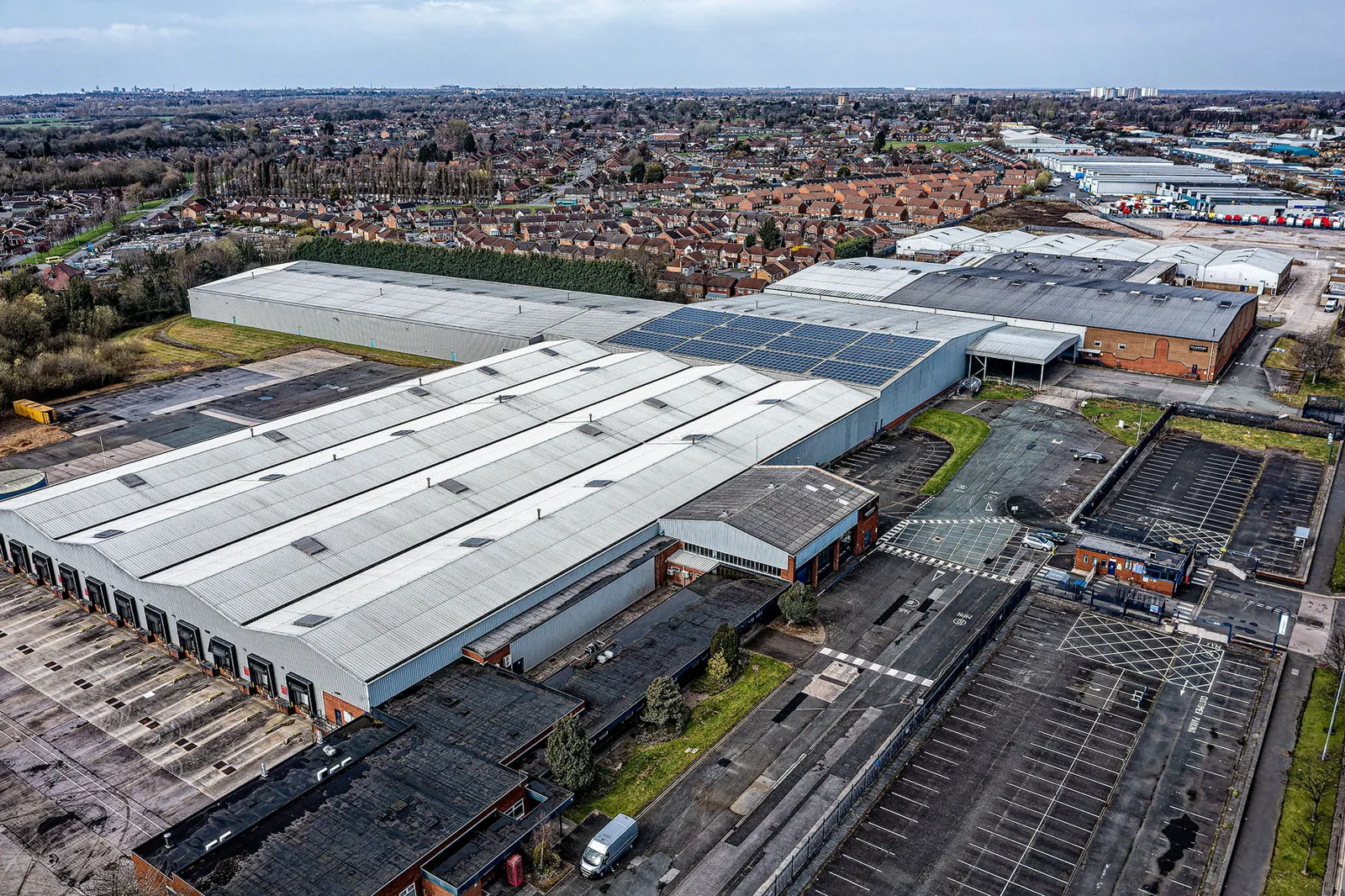
Distribution buildings are long, and water behaves differently along the length of them. Near the dock wall the roof carries rooftop units, exhaust fans and sometimes a line of skylights. Along the far end, drains tend to cluster where the structure slopes toward the outside. We walk both ends and the middle, photographing every drain, scupper, curb and wall flashing, and we probe the membrane where foot traffic from service technicians has worn a path.
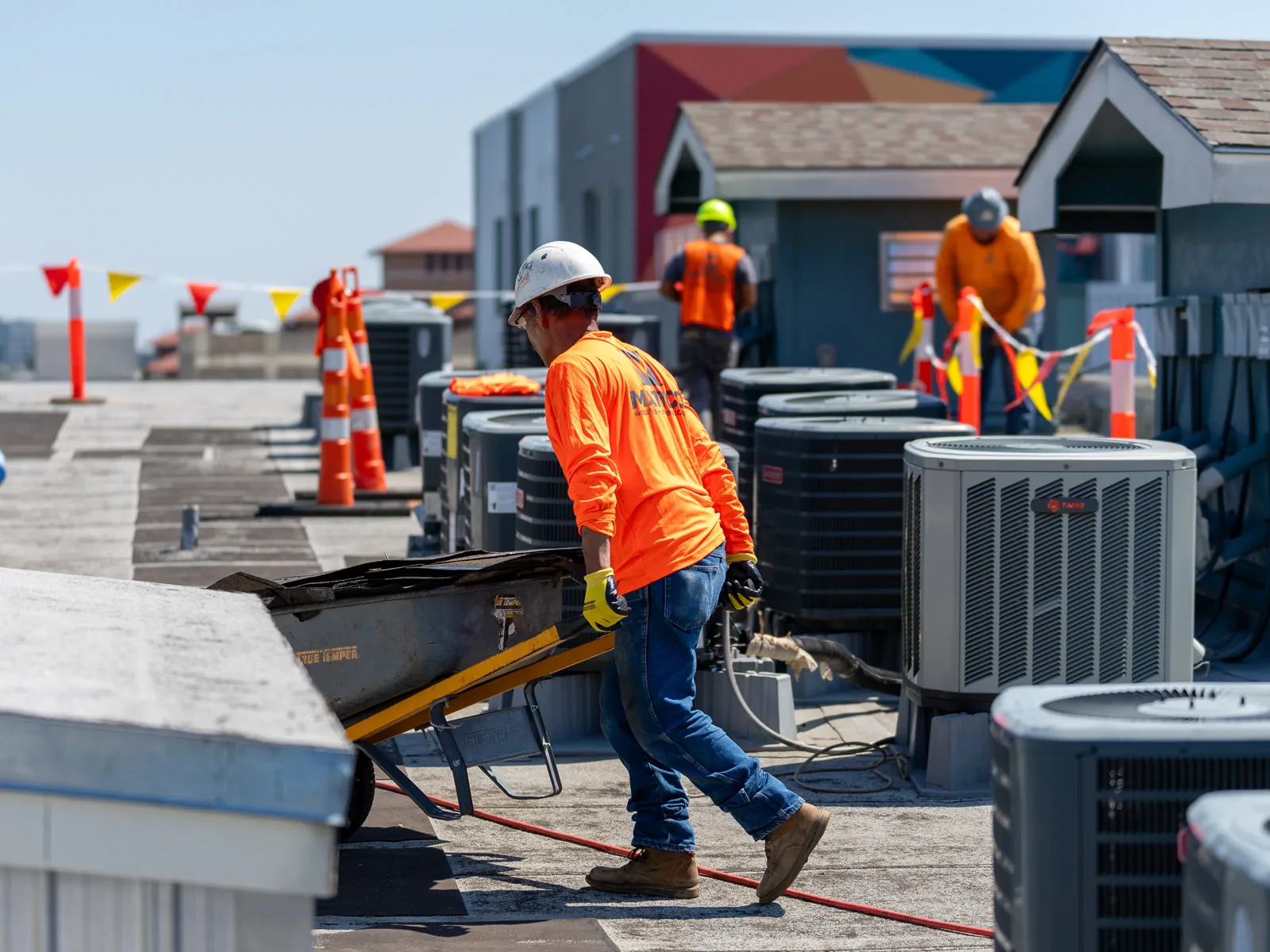
Where a roof has taken years of rooftop equipment traffic, a protected walk pad and tight equipment curb flashing are often the lowest-cost improvements available. When we suspect trapped moisture, a drone survey gives a quick overview of the full deck before the infrared pass and hands-on testing pin down the wet areas.
Peak-season schedules and weather windows
A distribution roof has two calendars to respect: the weather window and the shipping peak. Mild spring and early fall days suit most membrane work, while a cold snap can stop adhesive application and a hot afternoon can soften surfaces and slow crews. If the operator's busiest weeks fall in late autumn, roofing needs to finish earlier or wait until after the peak, and the interim measure may be a documented temporary repair.
For a full renewal, an occupied-building reroof plan identifies hoisting zones, closed dock doors, protected interior racking and a daily clean-up so debris from tear-off never reaches a trailer. Kansas City-area wind also deserves a place in the plan. The National Weather Service survey of the May 19, 2024 squall line put an estimated 80-mph peak wind on a path from Gardner into Olathe, so edge metal and corner attachment are checked first on buildings that lie along it.
Portfolio sequence across the metro
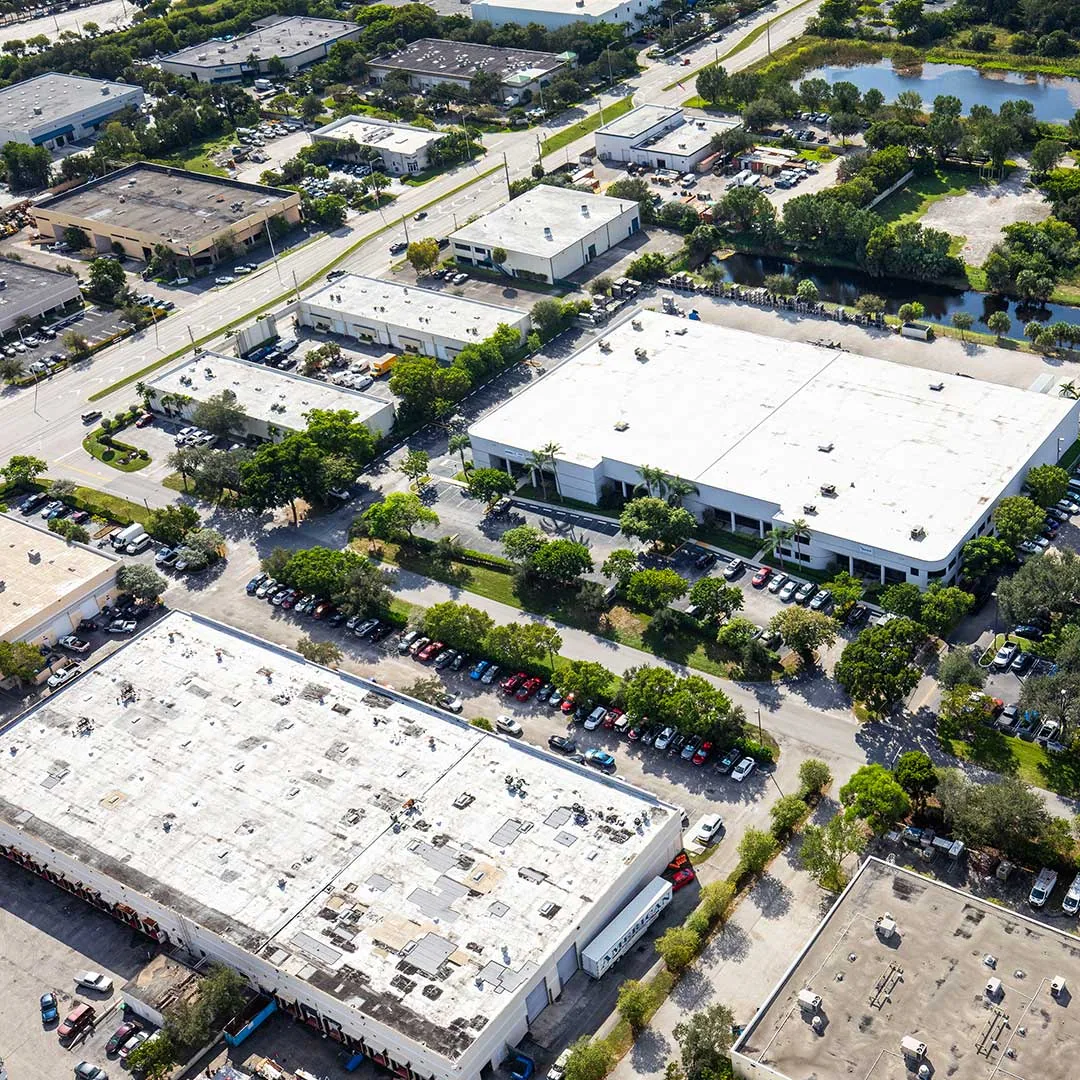
A distribution owner with more than one building seldom has all the roofs come due together. The K-7 Corridor Management Plan describes a north-south metro corridor with a roughly 40-mile study area that includes Olathe among participating communities, and a portfolio with buildings along it spans a wide stretch of the metro. Sorting those roofs by age, condition and tenant calendar produces a sequence that spreads capital spending over several years instead of one.
We build that sequence from a shared roof-area register. A multi-site roof program then carries the inspection interval, repair history and renewal triggers for each building. A distribution center in Olathe and a Lenexa distribution building can share one report format, and a conventional warehouse or cold storage building in the same portfolio sits in the same file.
More About Distribution Center Roofing in Olathe, KS
Records that shorten the first walk
A distribution roof is easier to assess when the file is thin but organized. Useful items include the roof plan with section boundaries, the most recent leak log with dates and interior locations, invoices from earlier repairs, and the name of the membrane if it is known. Rooftop equipment lists help too, since each unit has a curb, a set of penetrations and a service path that wears the surface.
If the building changed hands recently, the due-diligence file may already hold a roof report, and we can read it against what the deck shows today. Where no records exist, the first visit builds the register from scratch and dates it, so the next inspection has something to compare against.
Where repair stops paying
A familiar distribution roof pattern is slow accumulation. A few seam repairs turn into a few dozen, then drains begin to leave stains on the underside of the deck, then the owner learns that insulation is wet. At that point repair spending has probably crossed the point where a recover or replacement would have been a better use of capital. We track repair counts against locations so the crossing point is visible.
A PVC roof system may suit buildings with grease or chemical exposure near exhaust, while a TPO or modified bitumen roof is common elsewhere. The choice depends on the existing deck, insulation requirements, expected rooftop traffic and the owner's reserve plan.
Commercial Roofing Questions
How do I schedule roof work around peak shipping weeks?
Start from the operator's calendar and work backward. We map the weeks that cannot be touched, then place inspections and repairs in the intervals before them and reserve larger scopes for the seasons that follow. A written scope version states the window, the hoisting zones and any dock doors that stay closed, so the warehouse manager can plan the floor around it.
Can a leaking dock-area roof be fixed temporarily?
Yes, a temporary dry-in is possible while the permanent repair is planned. We trace the source, protect the opening, and record the work as stabilization rather than a lasting fix. The follow-up visit confirms whether the leak has stopped and documents the permanent scope.
What does the lease usually decide about roof costs?
Leases differ, and the document itself controls who pays for repairs, replacement and maintenance. We do not interpret the lease. We do produce condition findings, photographs and costs by category, so the landlord and the tenant can apply their own agreement to a clear record.
Is a cool roof worth considering for a distribution building?
Heat is part of the picture: Summer afternoons average 89.4°F at the Olathe airport station, and July as a whole averages 78.8°F. A reflective white membrane lowers surface temperature, which can ease thermal stress on the roof. The benefit for interior cooling depends on how the building is conditioned, so the question is answered with the insulation and equipment details in hand.
How often does a distribution roof need attention after replacement?
A preventive maintenance visit each spring and fall is the pattern we recommend for most commercial low-slope roofs, with an added visit after severe storms. Those visits clear drains, check seams and flashings and update the drainage record, which keeps small defects from becoming claims.
Which roof sections should be inspected first on a large building?
Start with the sections that have the most leak history, the heaviest rooftop traffic and the lowest drainage points. Those areas show a failing system soonest. Once the problem areas are mapped, the remaining sections are checked in sequence and ranked by condition.
Bring the dock calendar and the roof records
Send the building list, the peak-season calendar, any roof-area register, prior reports and an access contact. We will inspect, mark each finding as repair, watch or renewal, and give the owner a written scope that fits the operation.