Roof Systems
in Olathe, KS
Single-ply, modified bitumen, built-up, metal, spray foam and coating systems for Olathe commercial roofs, compared by seams, movement and repair access.
Single-ply membranes on low-slope buildings
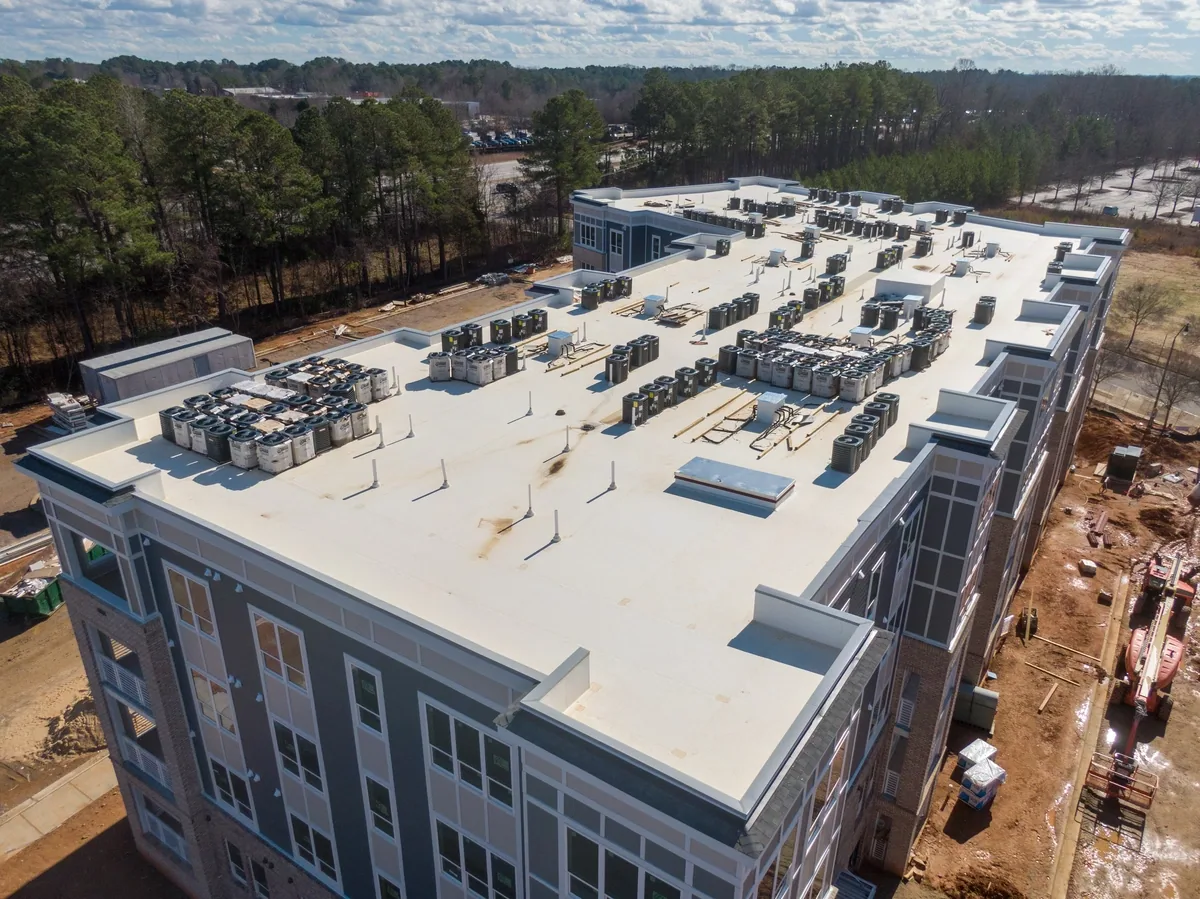
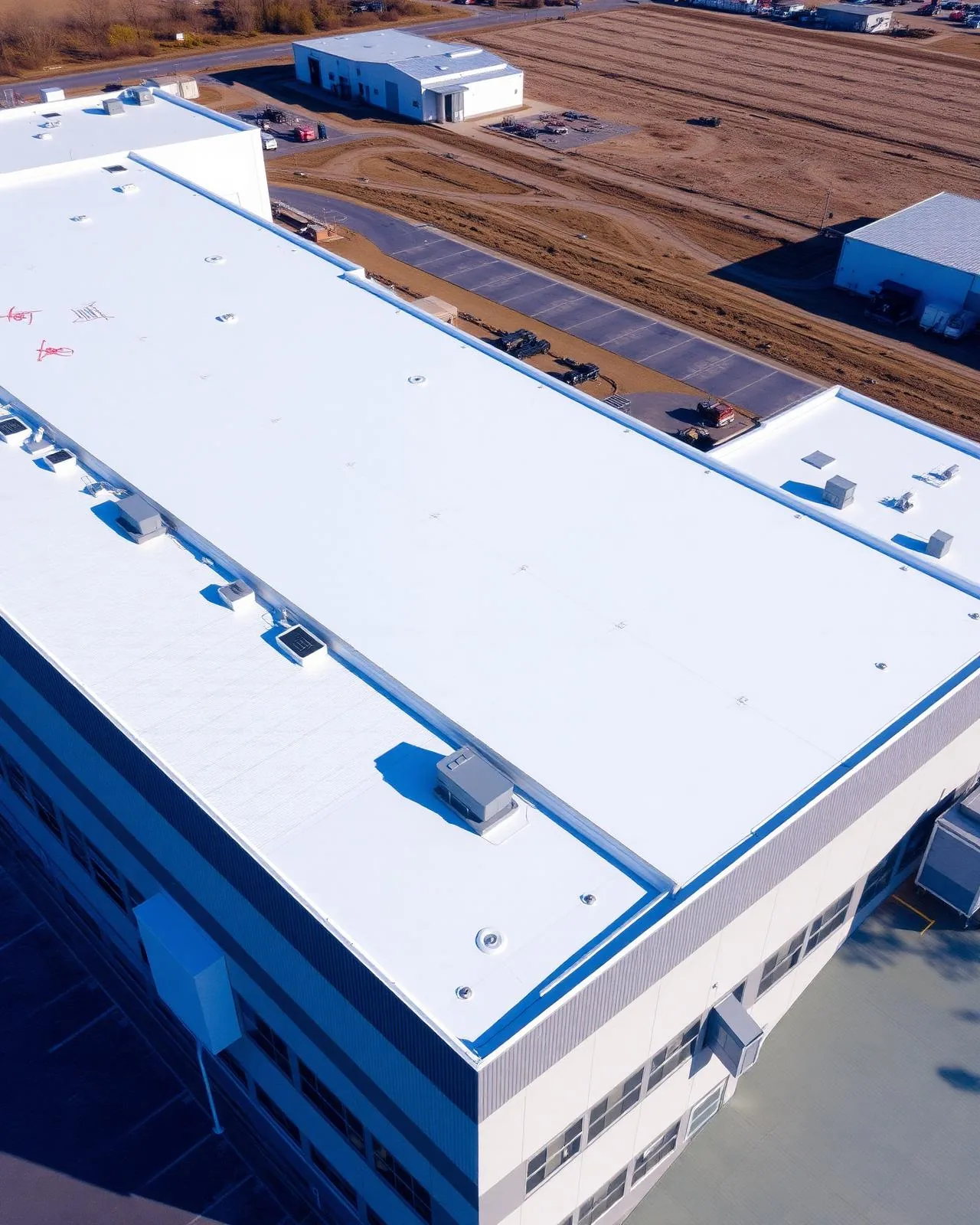
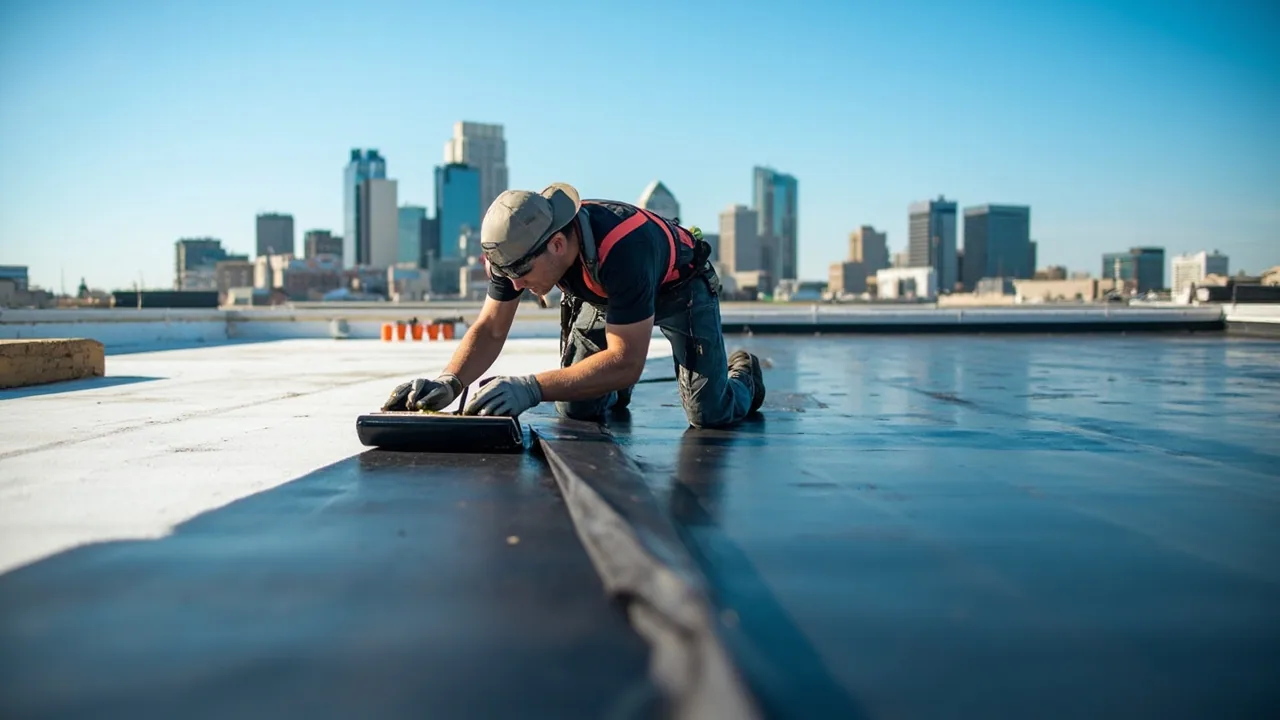
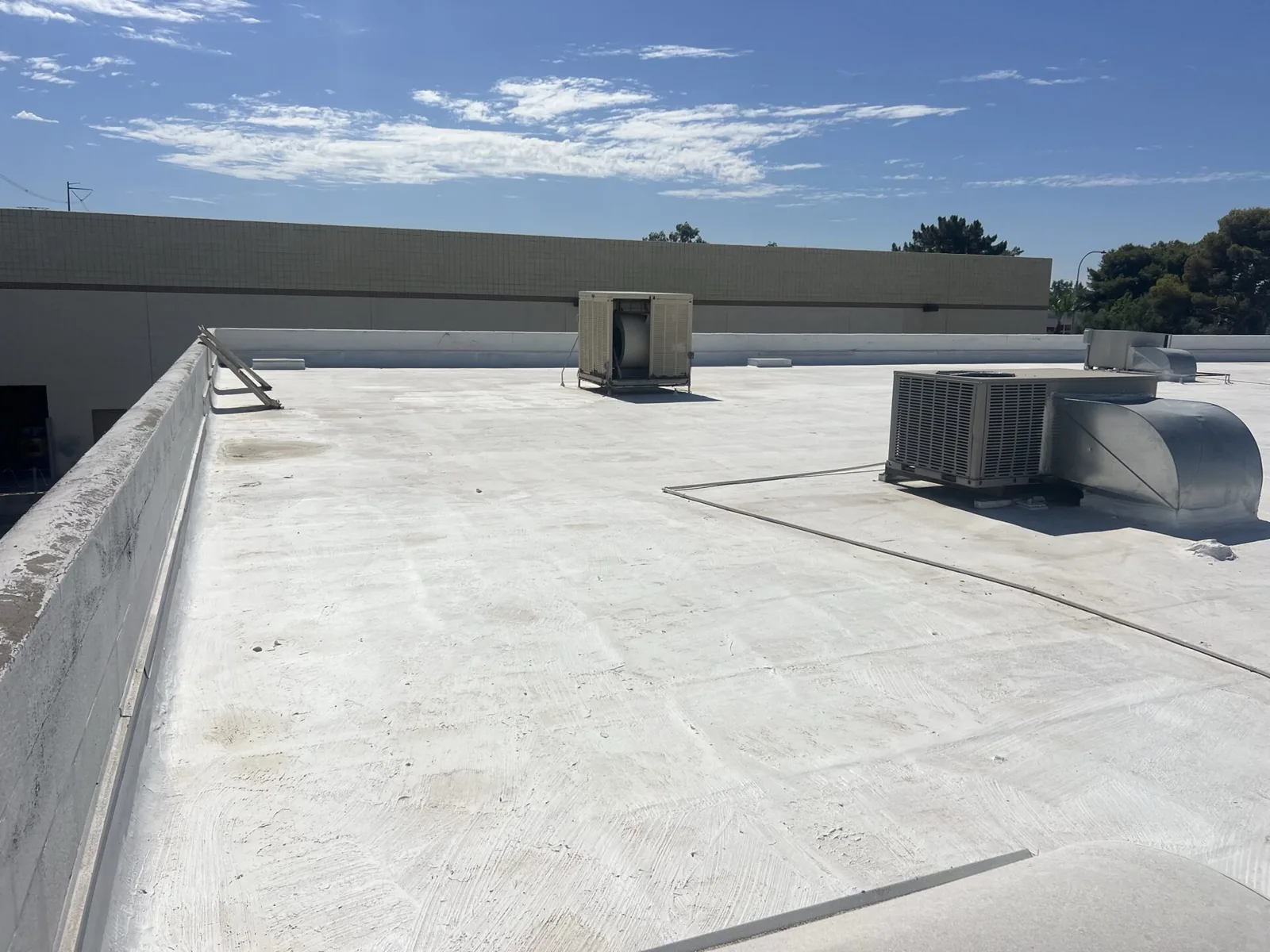
Single-ply sheets dominate low-slope commercial work because seams can be welded or adhered and repaired in sections. TPO roofing and PVC roofing use heat-welded seams, with PVC often favored where grease or chemicals reach the roof. EPDM roofing is a rubber membrane with a long record on large roofs, and KEE roofing adds a plasticizer-resistant formulation for harsher exposure.
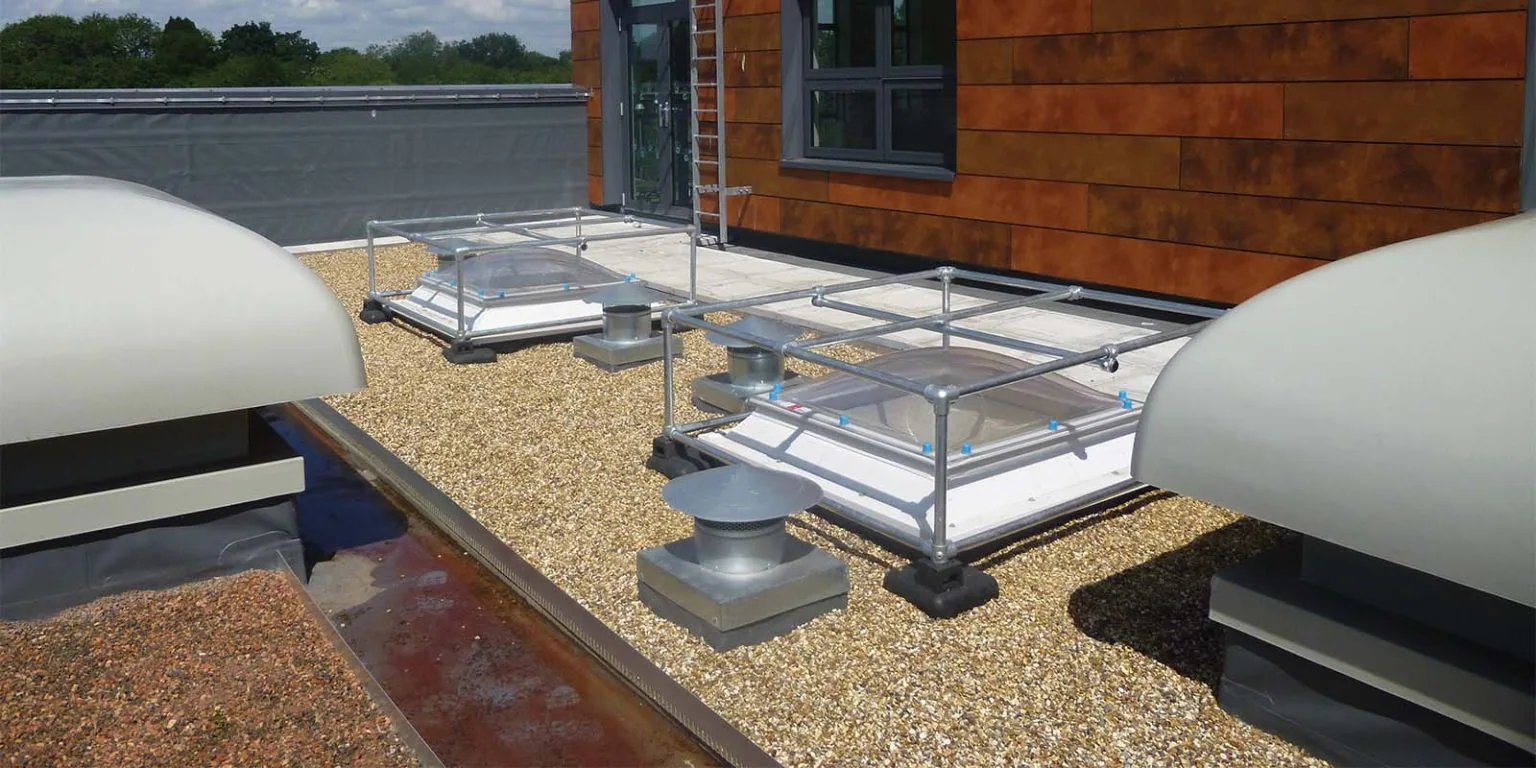
The best fit depends on parapet height, penetrations, foot traffic and what sits beside the roof. A roof with many curbs and pipe penetrations favors a membrane that details easily around them, while a large clear field favors a system that installs quickly in wide sheets. Owners who expect rooftop equipment to be replaced within the cycle should plan for walkway protection and for flashing that can be reopened and resealed.
Foam and coatings for sound roofs
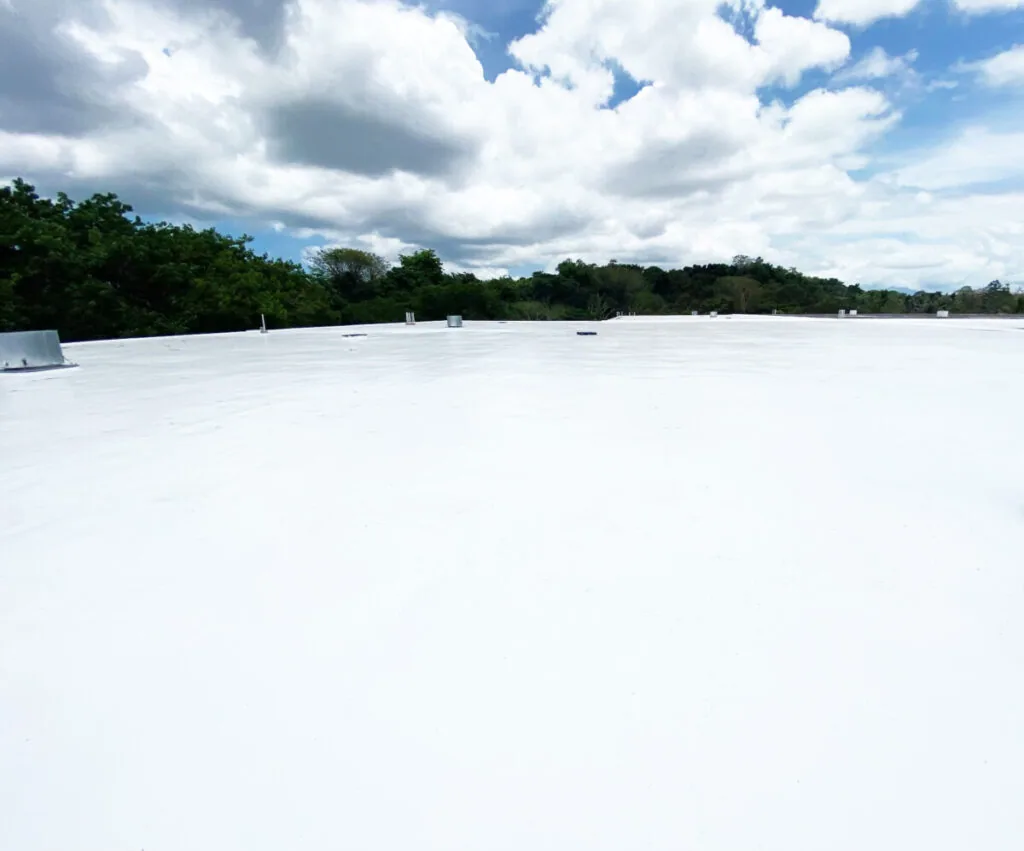
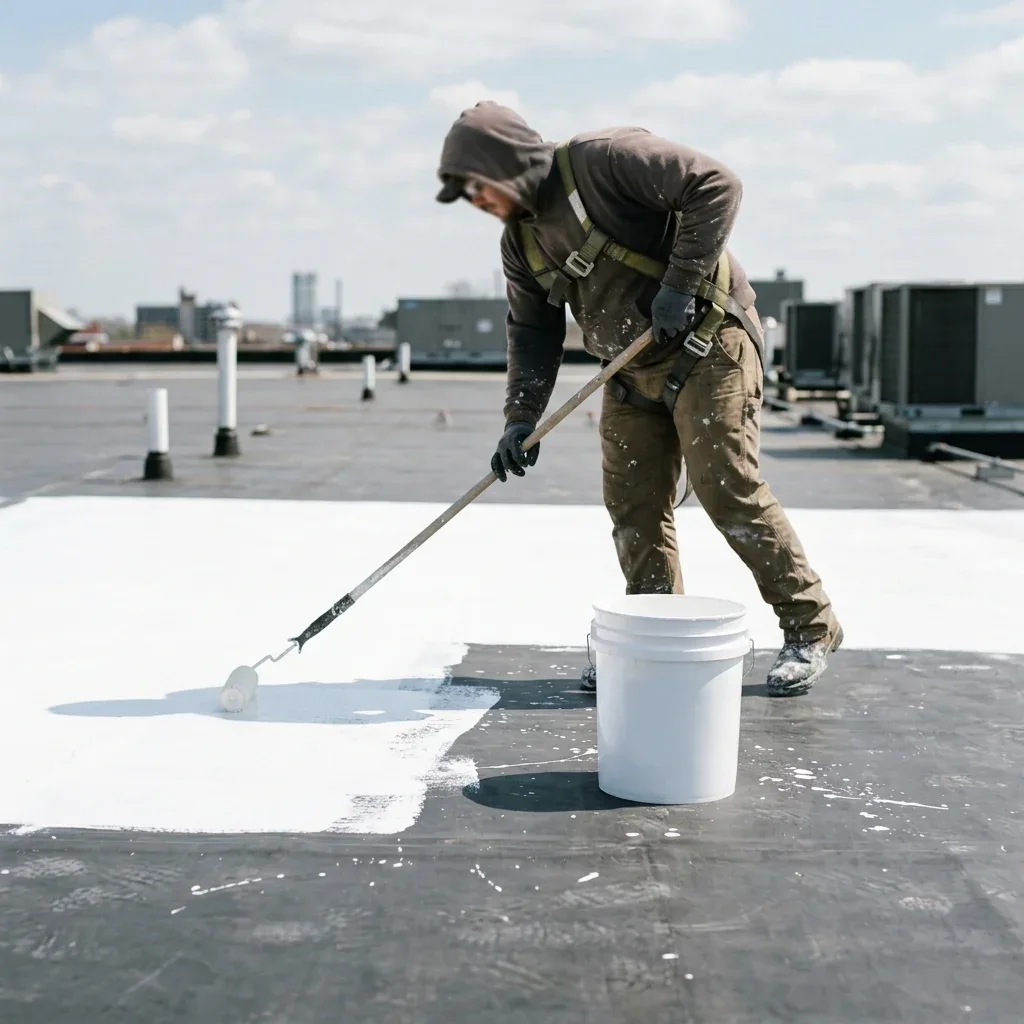
Not every aging roof needs a tear-off. When insulation tests dry and the membrane is intact, spray polyurethane foam roofing, silicone roof coatings or acrylic roof coatings can extend service life and move a replacement to a later capital year. Moisture findings decide whether that is realistic, and the report records what was tested. A coating also changes the surface for later repairs, so the file should name the product family applied and the date, which keeps the next patch compatible with what is already there.
Before drawings are final, the building department confirms whether the 2018 IBC and Existing Building Code named in the city's transition notice control the job.
Multi-ply and metal assemblies
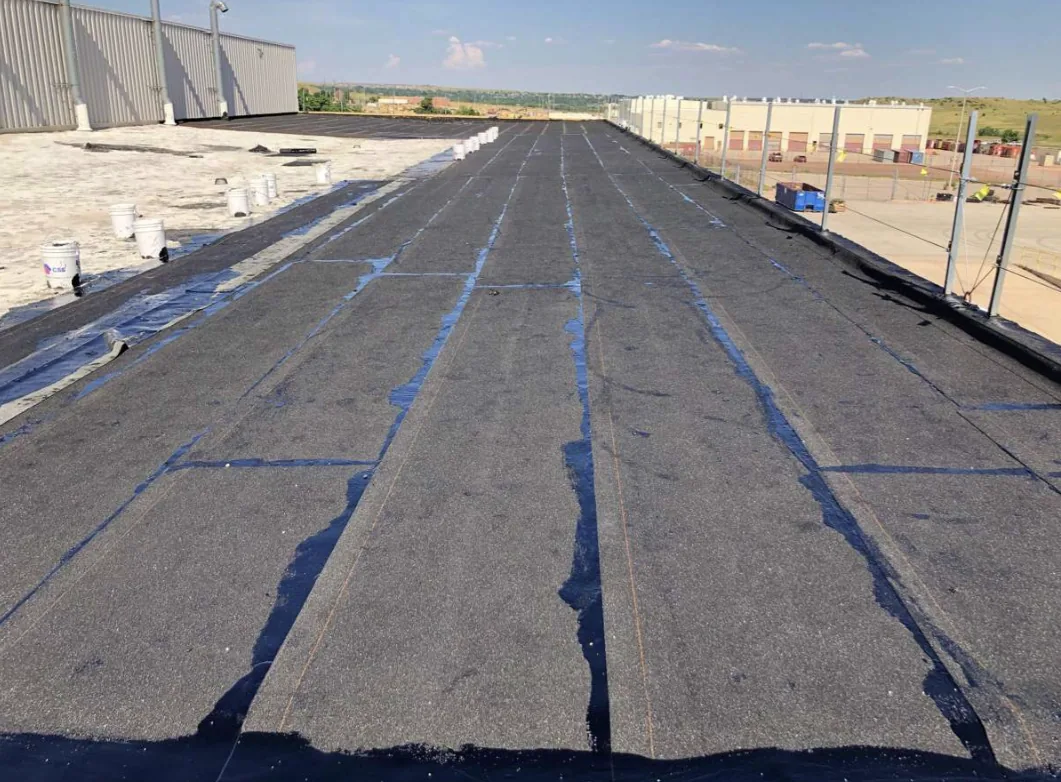
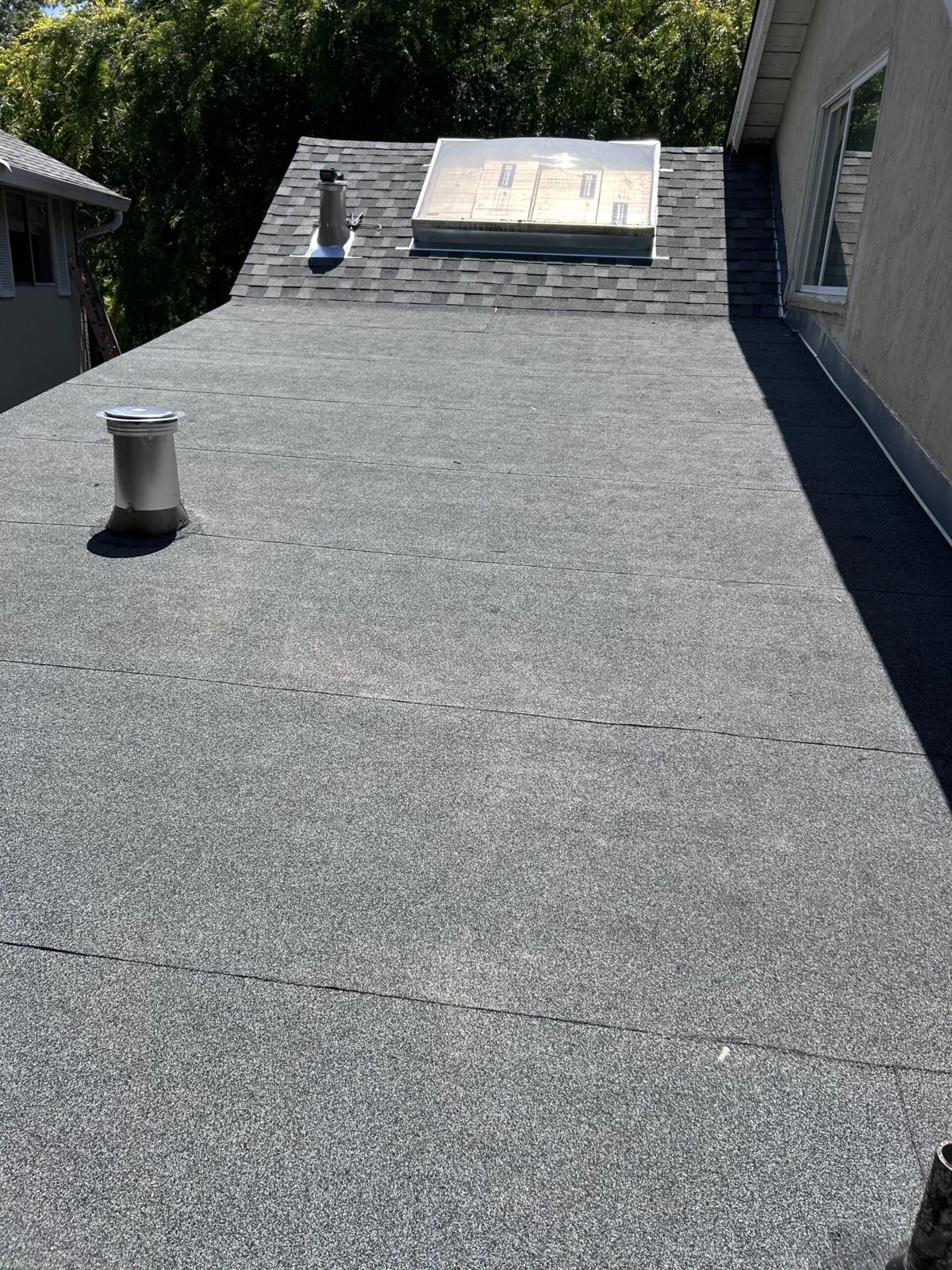
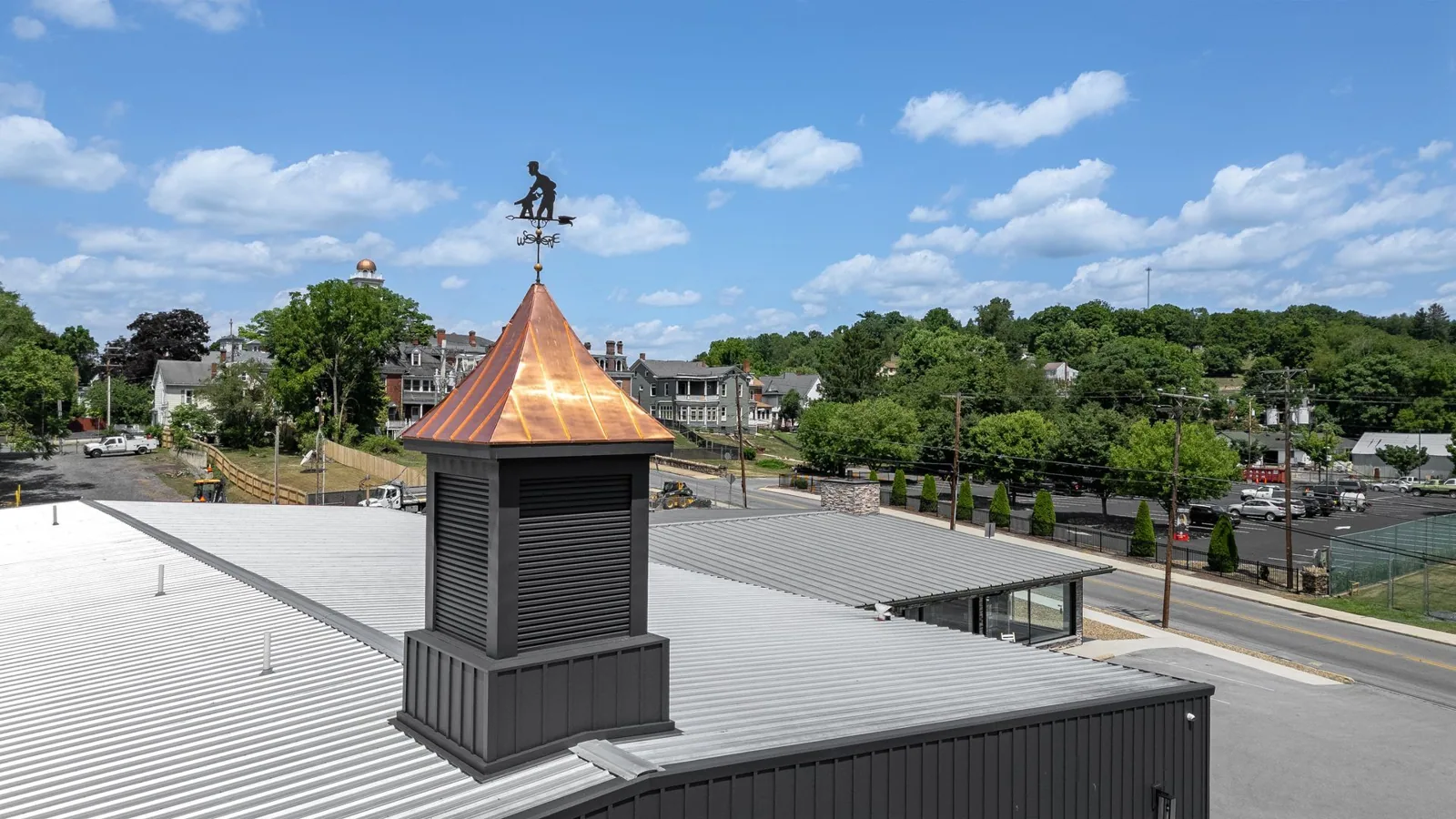
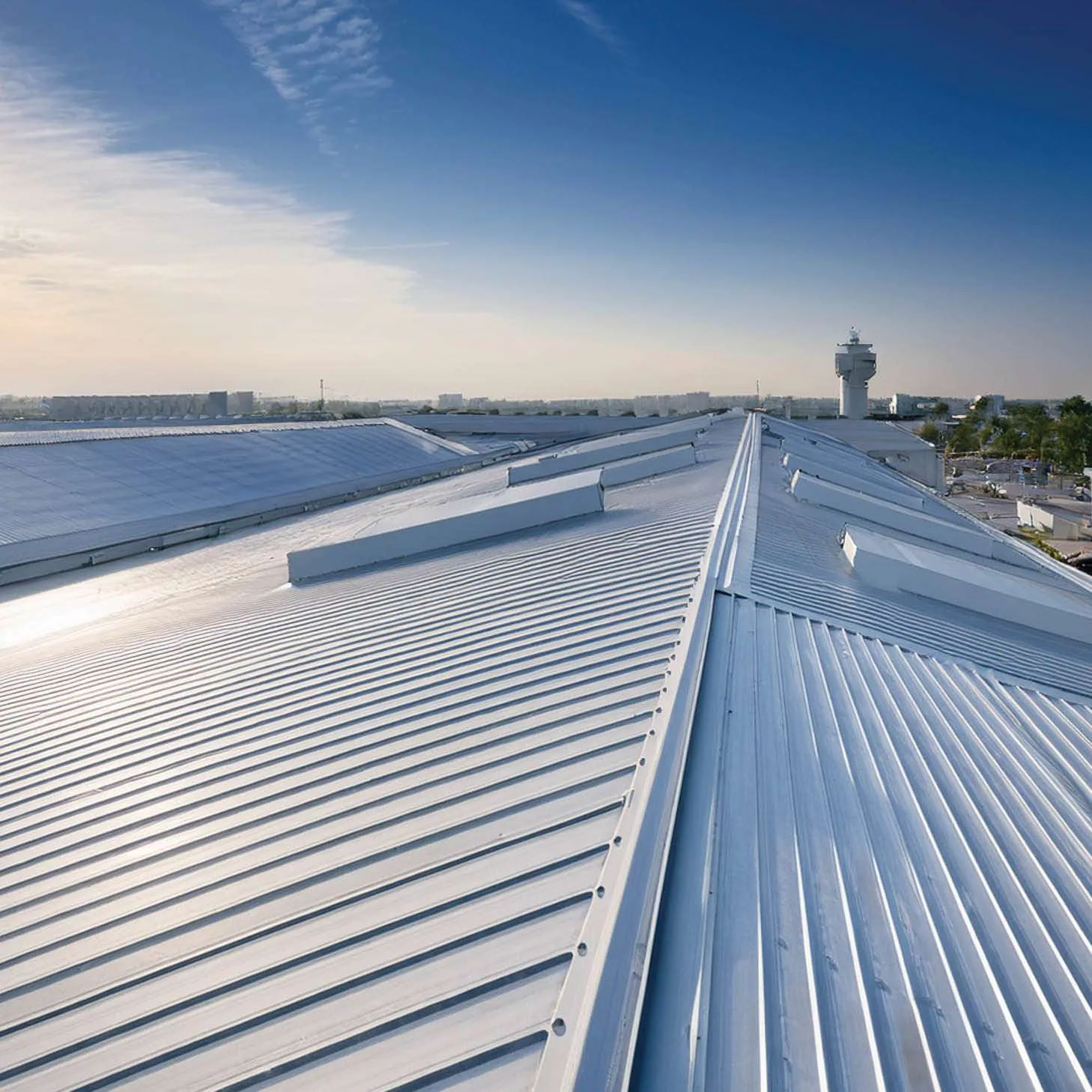
Layered systems still suit buildings that carry heavy equipment or need redundancy. Modified bitumen roofing and built-up roofing add plies that tolerate traffic and spread stress. Metal assemblies, including standing seam metal roofing and a metal roof retrofit over an exposed-fastener deck, suit long spans and buildings where wind uplift governs. Fasteners, laps and clip lines are the places where thermal movement shows first, and a retrofit adds a new weathering layer without exposing the interior to rain during tear-off.
On the May 19, 2024 wind path from Gardner into Olathe, an estimated 80-mph peak, metal edges and fastener lines are the details to inspect first.
From system choice to a bid basis
A comparison of systems is useful only when it ends in a scope version a bidder can price. Send the roof-area register, deck type, existing assembly, penetrations and the decision date, and the written assessment that comes back lists the systems worth bidding for each roof area, with current repairs set apart from capital planning assumptions.
Questions About Roof Systems
Which membrane suits a roof with many rooftop units?
One with welded or easily repaired seams and a surface that tolerates service traffic, which usually points to a reinforced single-ply or a multi-ply assembly with walkway protection.
When is a coating better than replacement?
When moisture testing shows dry insulation and the membrane is sound enough to bond a coating.
Does metal retrofit avoid tearing off the old roof?
Frequently, if the framing and existing panels are sound, since new framing and panels go over the old ones.
How does hail affect system choice?
Impact resistance and surface hardness enter the comparison, though a post-storm inspection still judges each roof by the damage found.
Bring the roof-area register and the deck details
Share the existing assembly, reports on file, decision date and access contact, and we will answer with an assessment that keeps today's repairs and the budget forecast apart.