
Membrane Puncture Repair in Olathe, KS
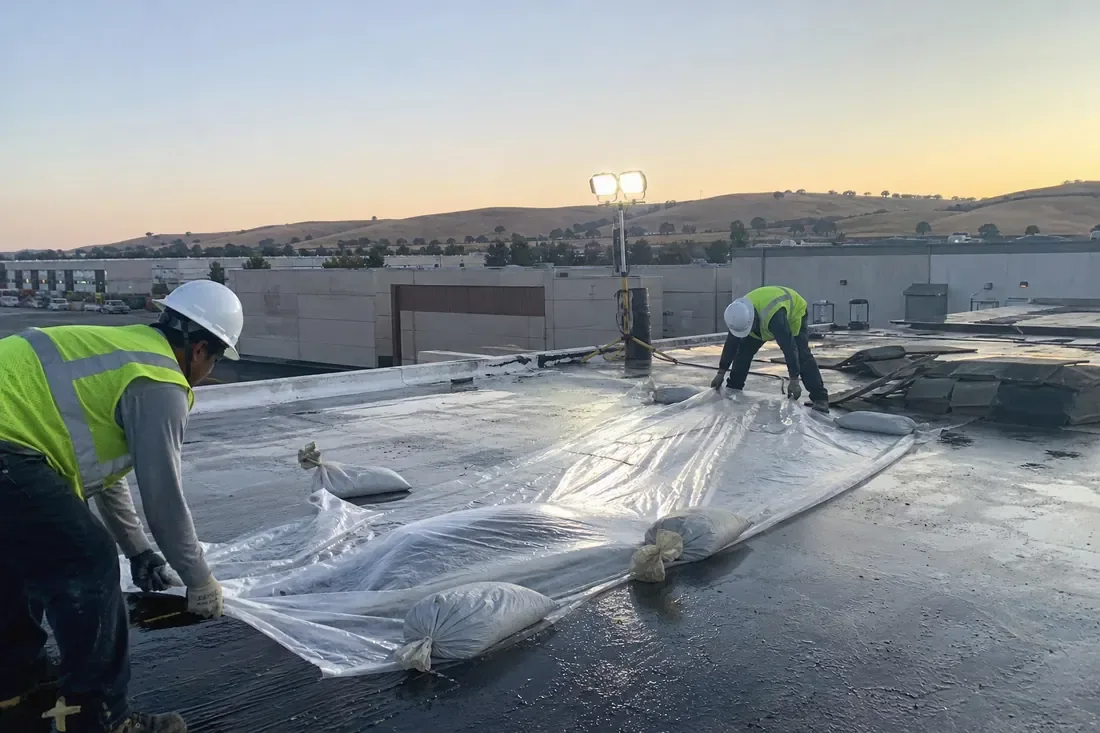
The roof of a commercial building in Olathe, KS is a work platform before it is a weather barrier, and the trades who climb it, from HVAC technicians to antenna installers to sign crews, leave a record of their visits in scuffs, dropped tools, cut membrane and crushed insulation. A puncture that goes through the sheet is a leak waiting for the next rain, and one that stops short of the surface can hide a wet spot for years. We find the damage, repair it so the patch bonds to the existing system, and recommend how to keep the next visitor from repeating it.
Send the access routes and the repair history
Share the property list, the roof-area register, who services rooftop equipment, and photographs of known damage. We will walk the traffic paths, repair what has opened, and give you a walk-pad and access plan that fits your capital year.
What punctures look like and where they cluster
Traffic damage concentrates on the route between the roof hatch and the equipment, and around the units themselves. We walk those paths first, looking for cuts, gouges, abrasion that has worn through the surfacing, crushed or soft insulation underfoot, and debris such as screws, cable ties and discarded filter material that can puncture the sheet when stepped on. Dropped tools leave round or oblong holes, usually near panels, curbs and service ladders.
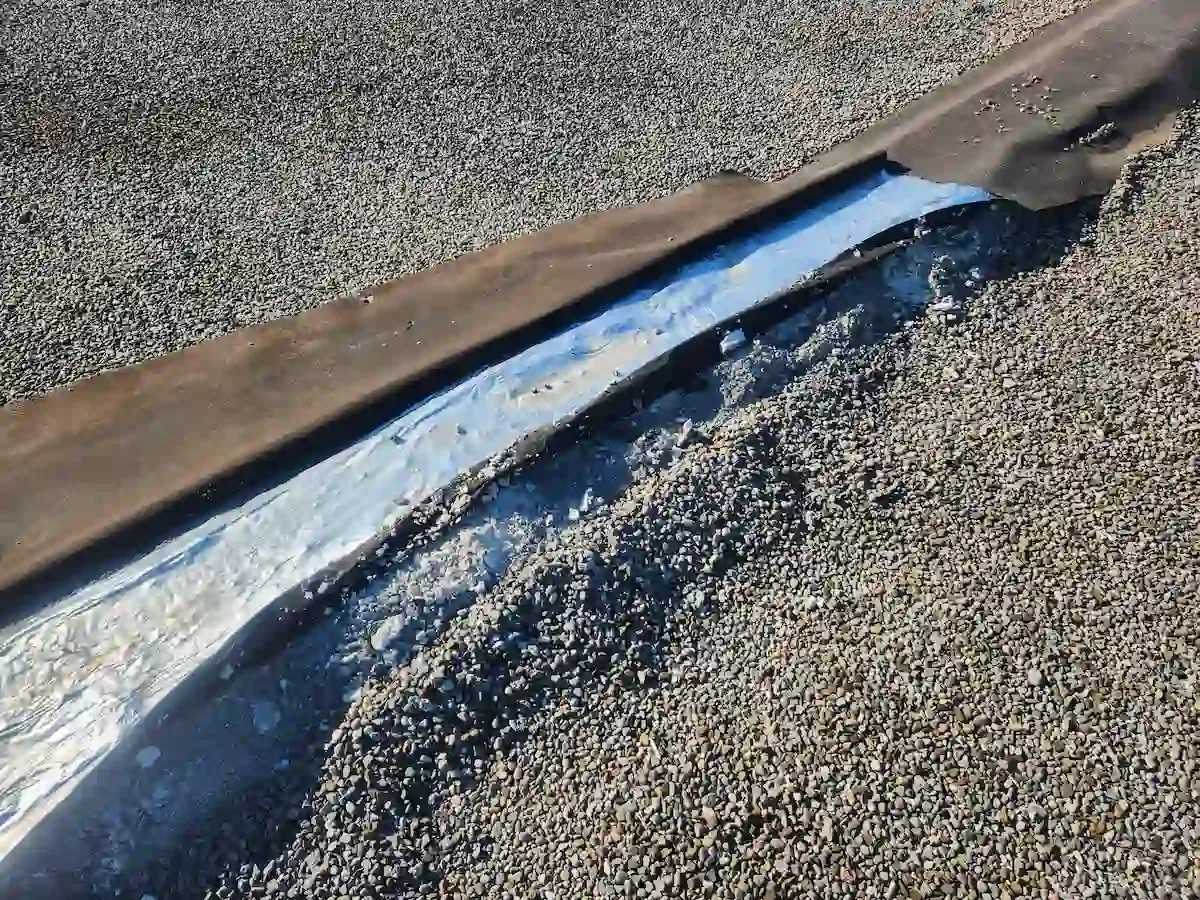
On built-up and modified bitumen roofs, abrasion removes granules or gravel and exposes the felt or base layer, which weathers faster than the surfacing was meant to. On thermoplastic and EPDM membranes, a hole is visible, but a bruise from a heavy point load may only show as a faint depression that opens later. We press and probe suspect areas and mark each finding on the roof plan. Nearby laps get a probe too, since a stressed seam often sits beside damaged membrane.
Why weather turns a small hole into a larger repair
Olathe records 109.6 days a year at or below freezing, so water that enters a puncture in a wet week can freeze in the insulation and force the damage wider. Annual precipitation of 37.54 inches means there is no long dry season in which a hole can wait harmlessly. Rooftop foot traffic also changes with the seasons: heating checks and filter changes in late autumn, cooling service in late spring, and snow and ice removal in winter, each putting different loads and tools on the surface.
KDOT describes the K-10 corridor as mixing industrial, high-tech, office and commercial uses. Wherever a roof there carries mechanical equipment, service visits recur through the year, and the access log is built from what we find on that roof.
Temperature also limits the repair. Adhesives and primers need a surface that is dry and above the product's minimum, and a patch applied to cold, damp membrane in January may look sound while holding poorly. When a hole cannot wait for a warm day, we close it temporarily, label it as temporary in the work order, and return for the permanent patch once the sheet and weather allow a proper bond.

Patch, plug or cut out the damaged section
A small puncture in a sound thermoplastic membrane can be cleaned and covered with a welded patch of the same material, extended well beyond the hole. EPDM is repaired with a primed and adhered patch or a cured splice tape, and modified bitumen with a torch-applied or cold-applied patch. For a built-up roof, a plug of felts and bitumen replaces the damaged plies, and the surfacing is restored.
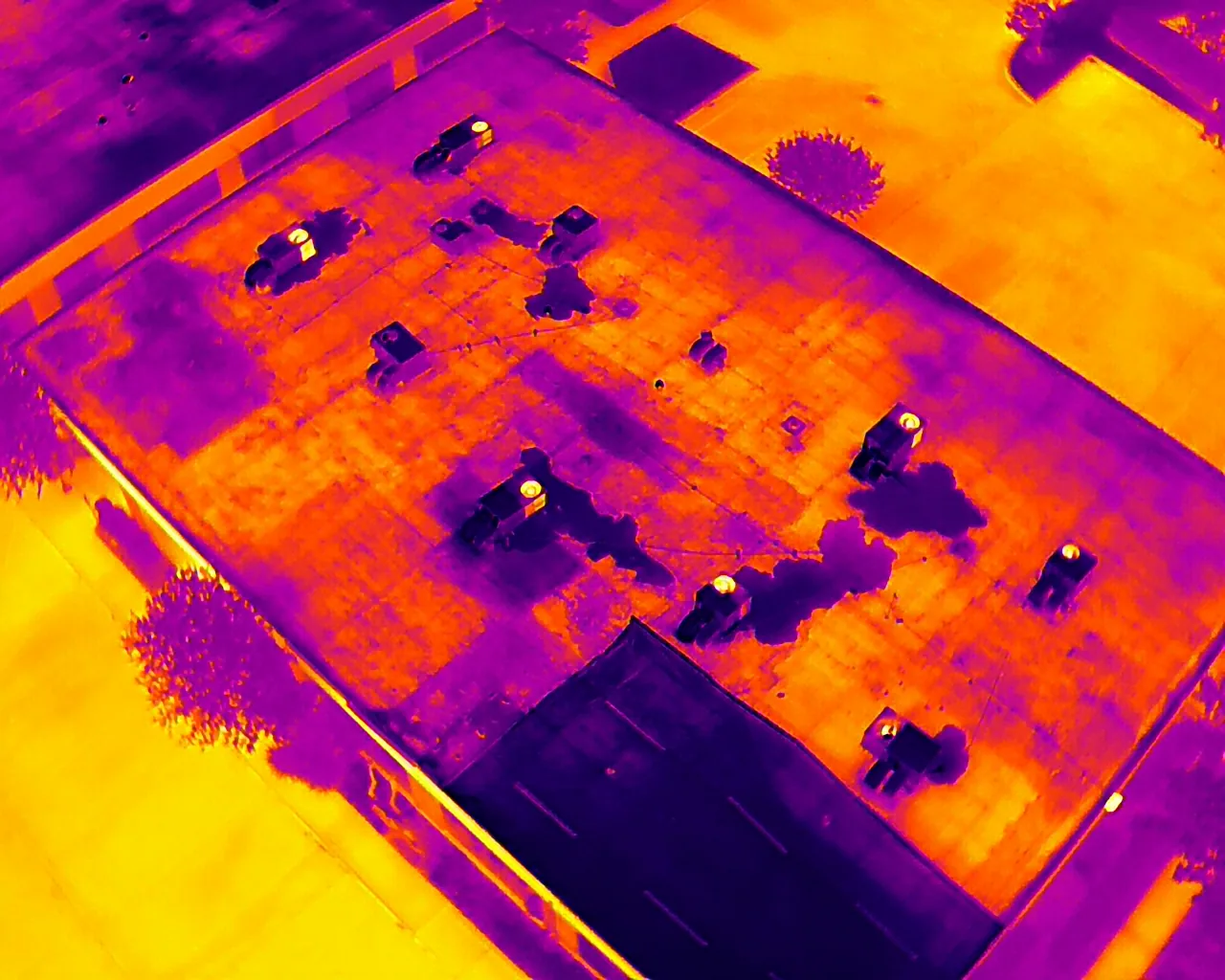
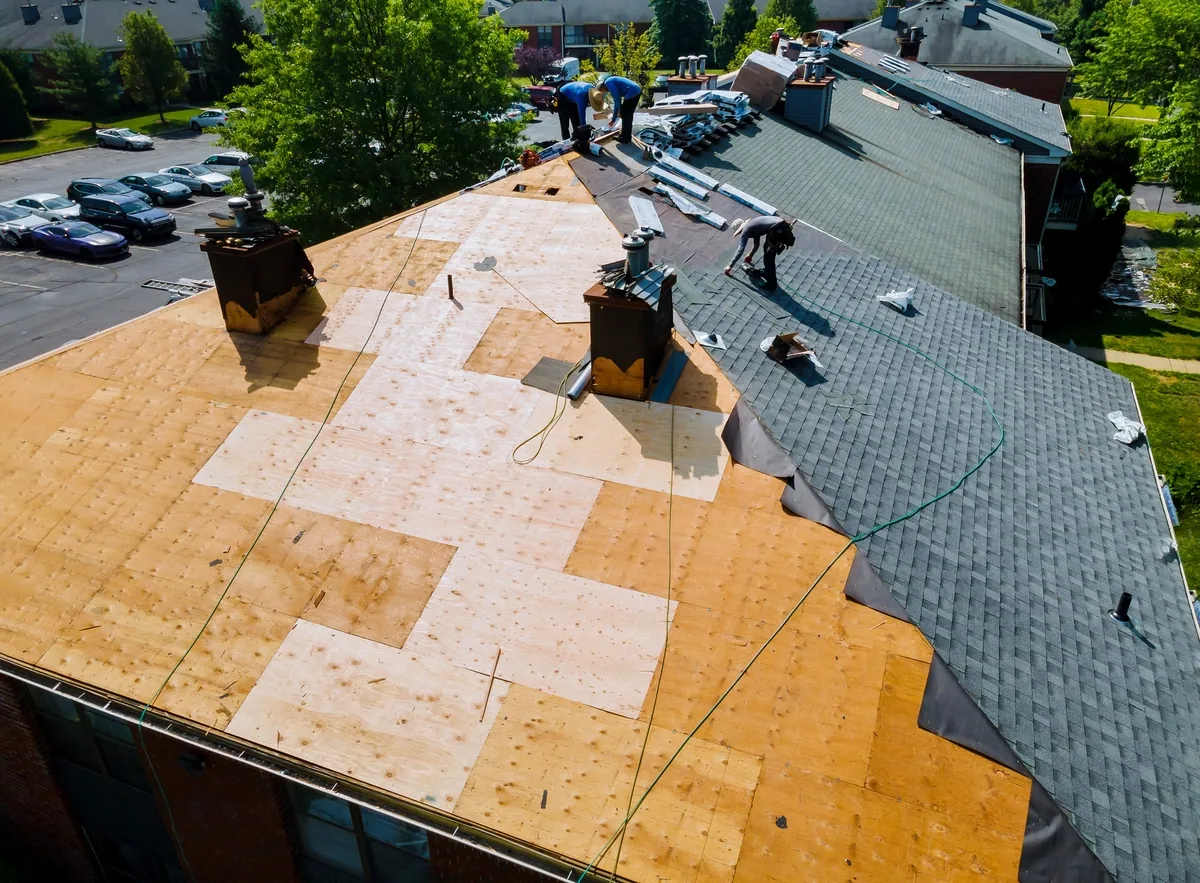
When the insulation under the hole is wet or crushed, we cut the section out, replace the insulation and cover board, and tie a new membrane into the surrounding sheet. Leaving wet insulation under a patch is a common cause of repeated leaks, which is why a moisture survey is useful when many punctures appear in one area. If damage covers most of a roof's walking paths, the better answer may be a recover with a cover board layer under a new surface, or replacement if the age of the system supports it.
Walk pads and access routes for service crews
The simplest prevention is a defined path. Walk pads laid along the route from the hatch to each unit give technicians a surface that takes the load, and they are cheap compared with the cost of repairing what happens without them. Equipment platforms, step-over stands for piping and signs at the hatch that tell visitors to report damage all reduce the number of new punctures in a year.
For the repair itself, we coordinate with the building contact so the crew arrives with the correct membrane and does not tear into a warranty-covered area unaware. After the work, we mark the new patches on the roof plan, and a preventive maintenance visit can include checking them against later traffic. For leaks that cannot wait, our emergency repair team can stabilize a hole at any hour.
More About Membrane Puncture Repair in Olathe, KS
A service log that protects the membrane
Puncture patterns often trace back to a few regular visitors. A roof access log, where technicians sign in and describe their work, lets the owner connect a new hole to a recent visit and hold the responsible trade to account. A property manager in Overland Park or Lenexa who adds that log to the roof-area register has the beginnings of a damage-prevention program that costs little to run.
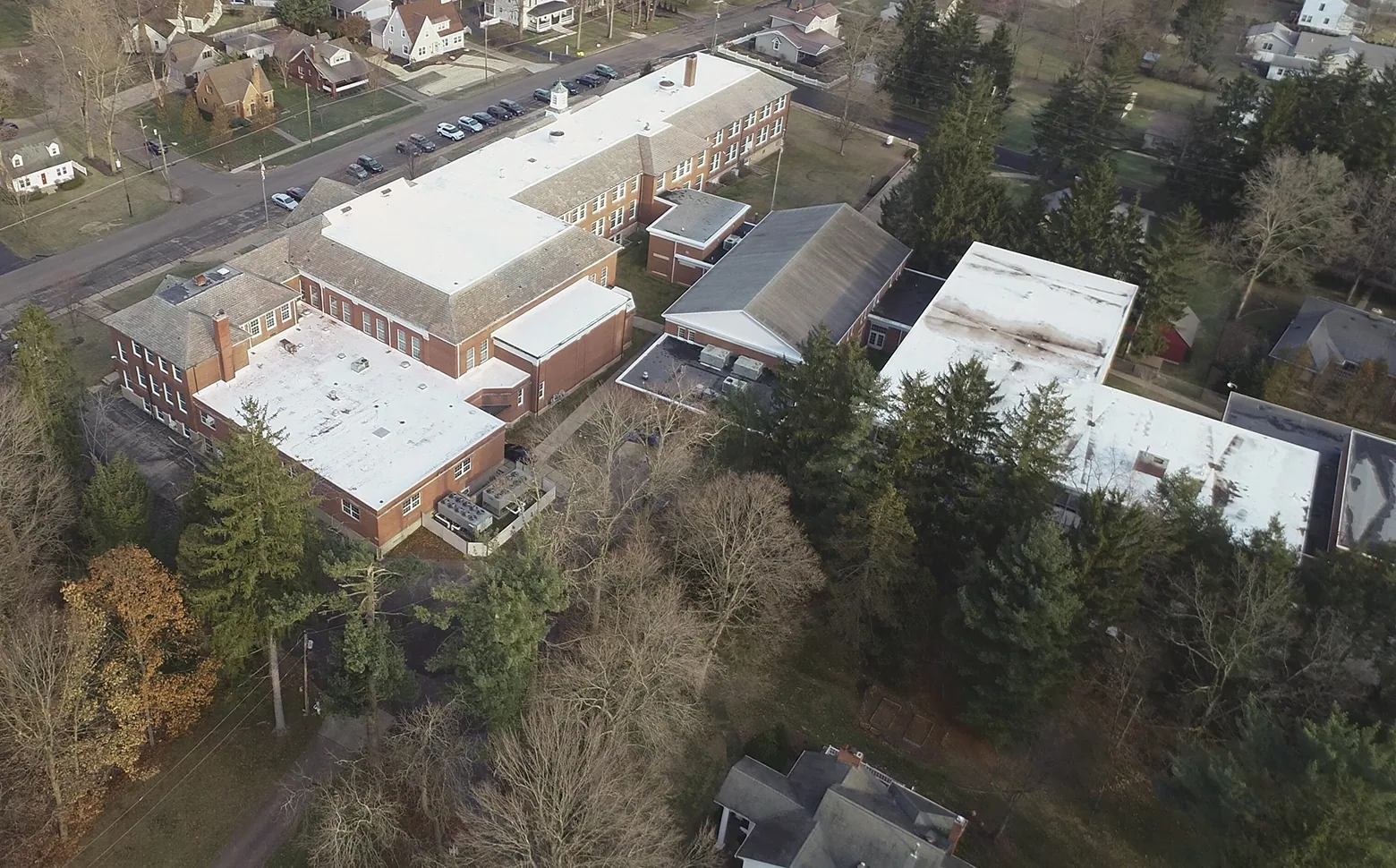
Repair records tell their own story across years. If one roof absorbs far more puncture repairs than the others, it probably has more equipment, a poorly placed access route or a membrane that is thinner than its neighbors, and the roof-area register should flag it. Our roof asset management work turns those entries into a line the capital plan can use, and the hail damage review uses the same photographs to separate impact from weather.
Commercial Roofing Questions
Can a hole in a roof membrane be patched without a full repair visit?
A small hole can be patched in a short visit if the surrounding membrane is clean, dry and sound. The visit still needs a moisture check at the hole, since patching over wet insulation traps the problem. A crew that only covers the visible hole may have fixed the symptom and left the cause.
How do we stop service technicians from damaging the roof?
Mark a single route, add walk pads along it, and require a sign-in log at the hatch. Tell each service company that the membrane is under warranty and that damage will be traced. Photograph the roof before and after major equipment work, which creates the evidence needed if a dispute arises.
Who pays when a contractor punctures the roof?
That is a contract matter between the owner and the trade, and a photo record is the best support for any claim. Our role is to document the damage, repair it and describe it clearly in the work order. The owner or manager decides how to pursue cost recovery.
What if the puncture is over an occupied tenant space?
Then speed and interior protection come first. We place temporary protection on the roof, check the ceiling and insulation below for moisture, and coordinate with the tenant contact before opening the area for repair. If water has reached the interior, we record where, so the later permanent repair matches the path.
Does a patch weaken the surrounding membrane?
A correctly made patch reinforces the area, and welded or adhered laps are as strong as the membrane they join when the surfaces are prepared properly. Problems arise when patches are stacked in the same spot, when mastic is used instead of a compatible material, or when the patch edge was never cleaned. We prepare the edge, match the material and record both.
Send the access routes and the repair history
Share the property list, the roof-area register, who services rooftop equipment, and photographs of known damage. We will walk the traffic paths, repair what has opened, and give you a walk-pad and access plan that fits your capital year.