Commercial Roof Recover in Olathe, KS
A replacement window can shift when a recover is technically sound, but the option needs evidence before it enters a capital plan. In Olathe, freeze exposure makes moisture and drainage history especially relevant to that review. A new membrane cannot correct wet insulation, weak attachment, or a deck condition it simply covers. We inspect the existing assembly, identify what remains unknown, and define any testing needed to compare recover and tear-off bids. The owner receives a scope that states the basis for proceeding, the limits of the work, and the conditions that would change the recommendation.
Verify the recover before it enters the budget
Share the roof-area register, repair history, available reports, decision date, and access contact. We can document existing layers and moisture questions, then compare a recover with a defined tear-off or repair alternative.
Read the roof through its exposure record
At the Olathe Johnson County Airport station, the 1991-2020 NOAA normals show minimum temperatures at or below freezing on 109.6 days in an average year. That figure informs review of drainage, seams, and transitions. We compare the assembly with leak history and prior repairs, then identify areas where water may be trapped. A recover decision follows the field record, not the weather statistic alone.
KDOT describes K-7 as a north-south Kansas City metro corridor that includes Olathe, while K-10 connects Olathe with Lenexa and De Soto. Those municipal connections matter to a portfolio schedule, and two buildings along them can still differ widely. One may have a single layer and accessible drains, while another has multiple systems, equipment congestion, or restricted work hours. We assess each roof area separately and compare properties without assuming the same recover detail fits both.
Confirm the assembly before covering it
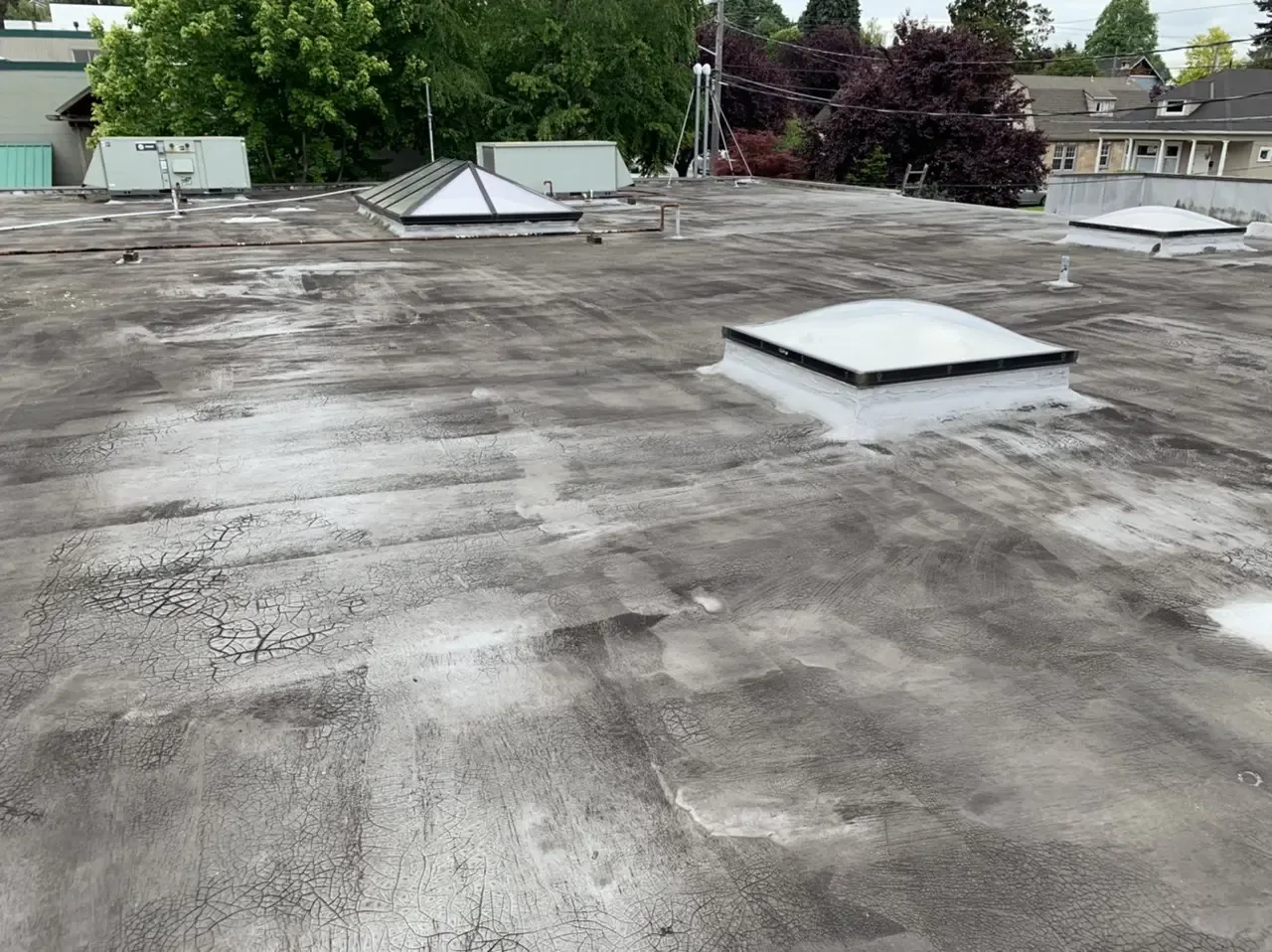
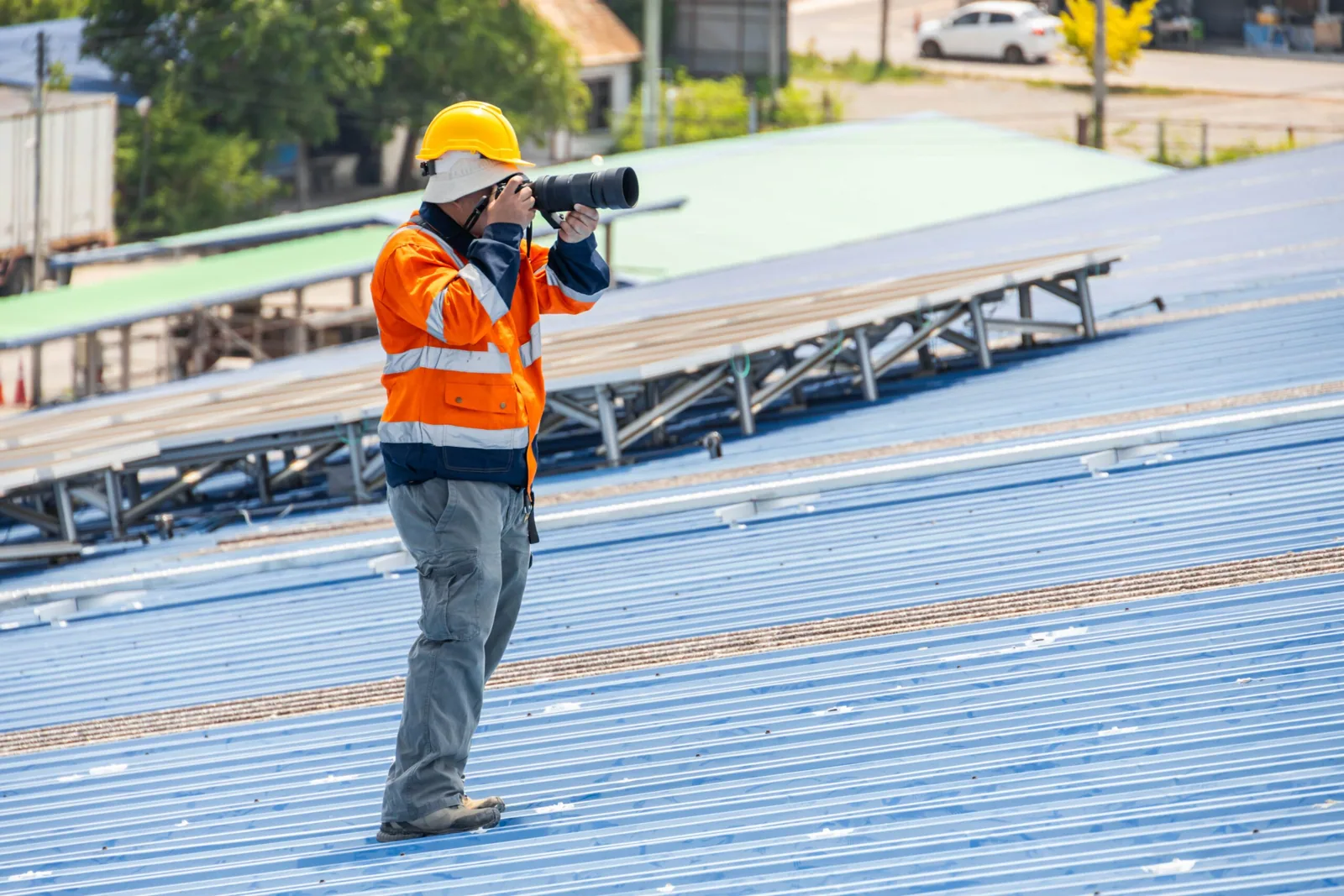
We identify visible roof layers, membrane type, edge details, penetrations, drains, and the supporting deck where it can be observed. Blisters, open seams, soft areas, recurring leaks, or widespread patches can point to concerns a new surface would conceal. The review considers attachment and perimeter conditions because a recover adds material and changes performance under wind and movement. Findings are mapped by roof area to separate isolated concerns from conditions affecting the full field.
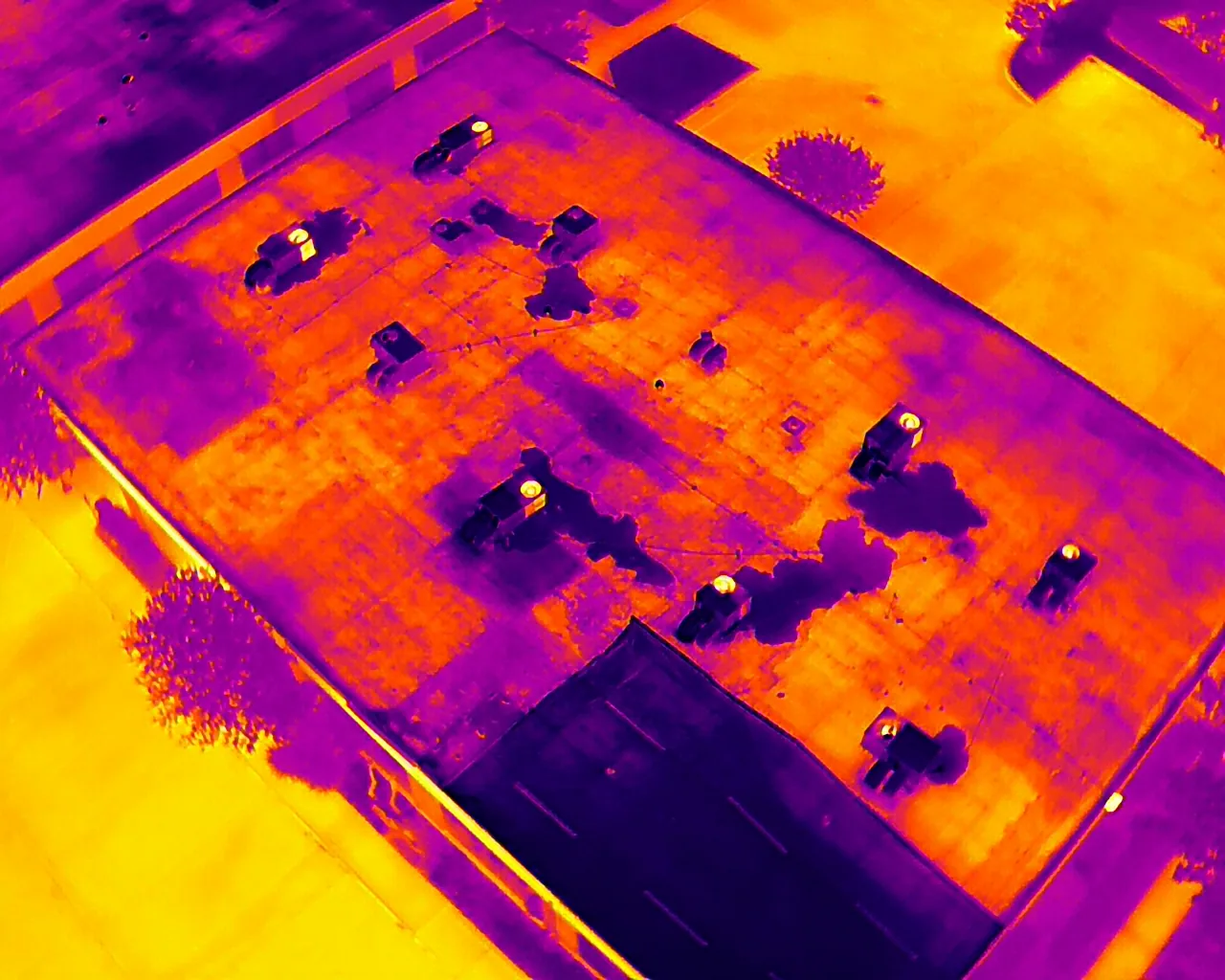
A hands-on roof inspection establishes a baseline, while an infrared moisture survey may locate areas for verification when conditions support its use. Suspect areas may need core cuts or other direct testing. The assessment states method and limits so an image or scan is not mistaken for substrate confirmation. If testing changes the recover boundary, the scope shows the revised area and reason.
Resolve code, drainage, and attachment questions
Before pricing, determine whether the existing configuration and added layer comply with applicable requirements. Consider how many layers are present, what is known about the deck, and whether the proposed assembly can be attached as designed. Added thickness can affect transitions, drain bowls, equipment curbs, and wall interfaces. A recover detail that leaves water paths or an abrupt edge can become a maintenance problem.
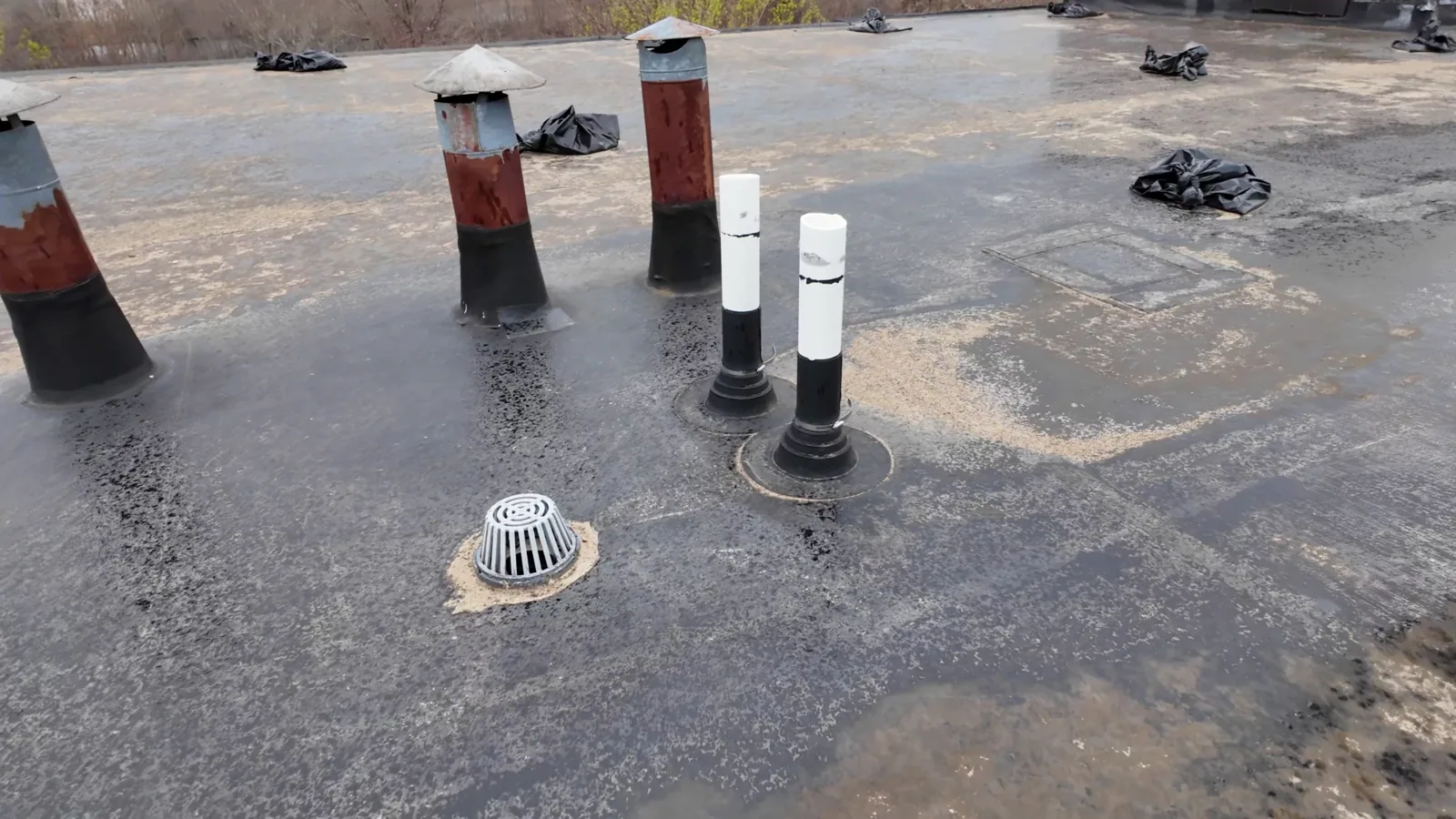
Where the drainage record shows persistent water, we inspect the outlet, surrounding membrane, and slope instead of treating a new cap sheet as a correction. The drain and scupper review can identify work for either option. We can compare a compatible TPO assembly with other systems, but selection follows substrate, attachment, and detail requirements. If code, deck condition, or layer count remains unresolved, specify the needed investigation rather than carrying an unsupported assumption.
Compare the recover with a defined alternative
A recover is worth comparing when the existing roof can receive a compatible system without hiding moisture or deck concerns. Tear-off may be more appropriate when wet materials, repeated failures, or unknown layers prevent reliable attachment and drainage details. Compare the same roof areas, access assumptions, edges, and insulation objectives. State whether testing, deck replacement, or drain modifications are included, excluded, or provisional so an owner can weigh current capital against later access and maintenance.
Localized defects may support repair rather than full recover or tear-off. A repair scope can address sound surrounding material, while ponding-water investigation can test whether the condition points to slope, blockage, or movement. Keep these alternatives distinct. We describe the limits and evidence behind each option rather than blending them into one ambiguous number.
More About Commercial Roof Recover in Olathe, KS
Plan installation without hiding the risk
Once eligibility is established, the scope identifies preparation, repairs to existing details, insulation changes, attachment requirements, perimeter work, and tie-ins. It defines how drains, curbs, walls, and penetrations will be adjusted for the finished assembly. The owner should see which portions need field verification and who can approve a change after material is opened. Photographs at preparation, attachment, and completed transitions let the owner compare installed work with the accepted scope.
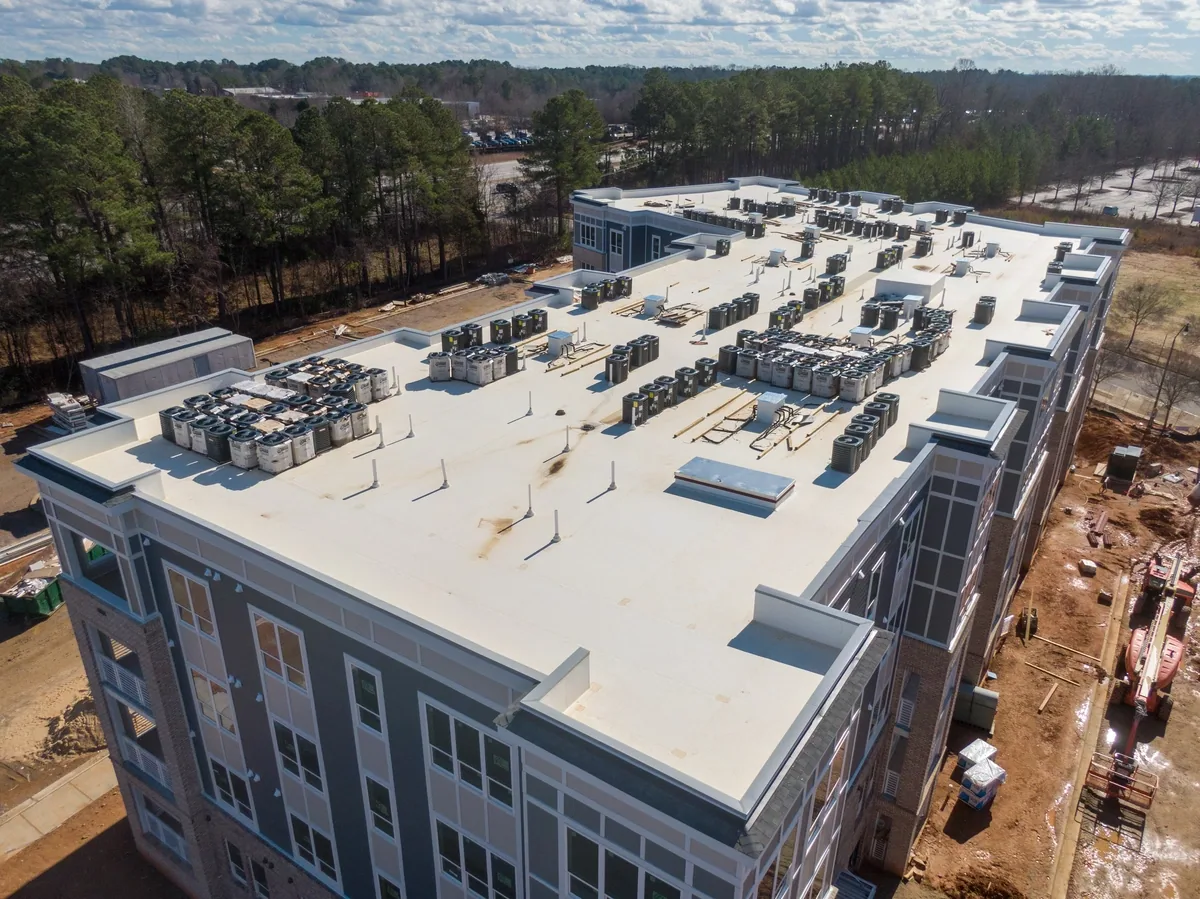
Occupied buildings need a sequence that respects loading, staff access, sensitive interiors, and weather exposure. The crew plans staging and debris paths, maintains dry-in, and communicates area closures. Olathe and Lenexa properties on K-10 may share ownership but have different operating calendars. We set the schedule by roof geometry and building needs, then document progress and concealed findings by area.
Keep assumptions visible in the reserve plan
Show the recover cost beside a tear-off alternative and list conditions that could move the project between options. A capital planning review can separate base scope from testing, deck, and drainage allowances. Preserve findings in a photo-backed condition report, including excluded areas and access limits. The next manager can see whether the decision used verified conditions, a provisional assumption, or an approved field change.
For recover work in Olathe and nearby Lenexa, one portfolio can share a schedule while each building keeps its own record. After installation, retain system information, field changes, maintenance guidance, and available warranty documents in the roof-area register. That record supports later inspections and comparison with the original recover assumptions.
Commercial Roofing Questions
What kind of finding rules out a recover?
No single sign settles the question, but confirmed wet insulation, an unstable deck, incompatible existing layers, or unresolved attachment conditions can make covering the roof unreliable. We map the finding and explain whether testing could narrow its extent. A recover should not be used to hide a condition that would still require removal or correction. The recommendation compares verified field evidence with the proposed system's requirements and states any remaining assumption before bids are finalized.
Can infrared imaging confirm that the insulation is dry?
Infrared imaging can help identify temperature patterns that merit investigation when the roof and weather conditions are suitable. It does not independently prove moisture content or define every repair boundary. We review the scan with visible conditions and verify suspect areas using appropriate direct methods when needed. The report should identify what was scanned, any limitations, and which locations were confirmed, so the owner can distinguish a screening result from a tested condition.
How should the bid show a recover against tear-off?
Use the same roof-area boundaries and disclose preparation, insulation, edge details, drains, access, and concealed-condition allowances for each option. List testing separately when results could change the scope. The owner can then compare the immediate project with its assumptions intact rather than relying on a low base figure that omits required work. We also state which findings would trigger a revised scope and how that change would be documented and approved.
Does a building in Olathe need the same recover detail as one in Lenexa?
Not automatically. The K-7 and K-10 corridors connect communities in the metro, but each building has its own existing layers, drainage, deck, access, and operating requirements. We inspect each roof area and compare the field record with the proposed assembly. Shared ownership can support consistent bid forms and reporting, while the actual details and phasing remain specific to the property.
What should remain in the file after a recover is complete?
Keep the approved assembly and scope, preparation and attachment records, dated photographs, field-change approvals, inspection findings, maintenance guidance, and available warranty documents together. Note areas where testing or concealed work changed the original plan. Those records support the next inspection and help an owner evaluate future repair recommendations against what was installed, rather than relying on an old bid summary or a memory of the project.
Verify the recover before it enters the budget
Share the roof-area register, repair history, available reports, decision date, and access contact. We can document existing layers and moisture questions, then compare a recover with a defined tear-off or repair alternative.