Storm Damage Roof Repair in Olathe, KS
A property reserve changes when a storm report is connected to the roof area actually inspected. The May 19, 2024 Kansas City metro survey traced straight-line wind effects from Gardner into Olathe and estimated a peak wind of 80 mph; the same storm line produced several brief tornadoes elsewhere in Johnson County. That dated evidence prompts a roof review when a property may fall within the reported conditions. We inspect the assembly, photograph visible change, and keep temporary protection distinct from the permanent repair decision.
Turn the storm response into a repair record
Share the event date, roof plan, photographs, leak locations, prior work, and access contact. We can document visible conditions, stabilize active exposure, and separate repair scope from claim and reserve assumptions.
Stabilize exposure before defining permanent work
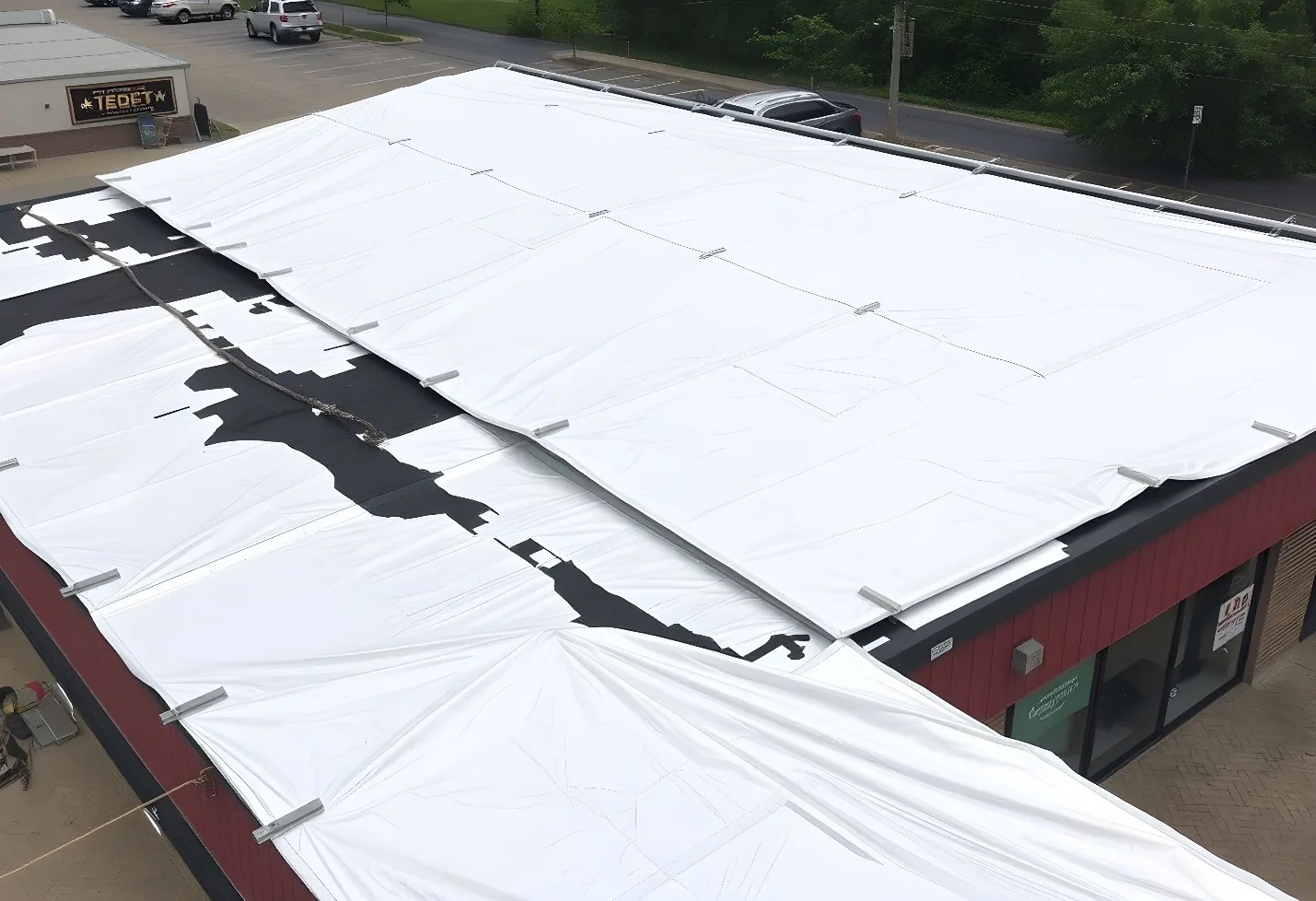
When water is entering or a roof detail is open, the first scope may need to protect the building while the cause is reviewed. We record arrival time, roof areas reached, temporary materials, and any limitation that prevented a complete inspection. The crew can install a controlled dry-in where the assembly allows it, while a permanent repair waits for suitable conditions, access, or confirmation of concealed damage. The closeout distinguishes stabilization from completed corrective work.
For urgent exposure in Olathe, response is available at any hour, including nights, weekends, and holidays. An emergency stabilization visit can help limit additional water entry, followed by a leak investigation that maps interior observations to roof details. Each work order keeps the storm date, property contact, and approved next step together.
Keep the storm record specific to its route
Kansas City-area severe-thunderstorm climatology also includes hail, so a reported hail event is a reason to review the roofs under it. We compare the date and location supplied by the owner with work orders, photographs, and observed conditions, then mark the roof section and details that need testing.
For an Olathe owner deciding which roofs to look at first, the storm date narrows the list, and the roof itself sets the repair boundary. The condition assessment records what was visible, and a photo-backed report separates confirmed damage from questions that need testing.
Map damage before expanding the repair boundary
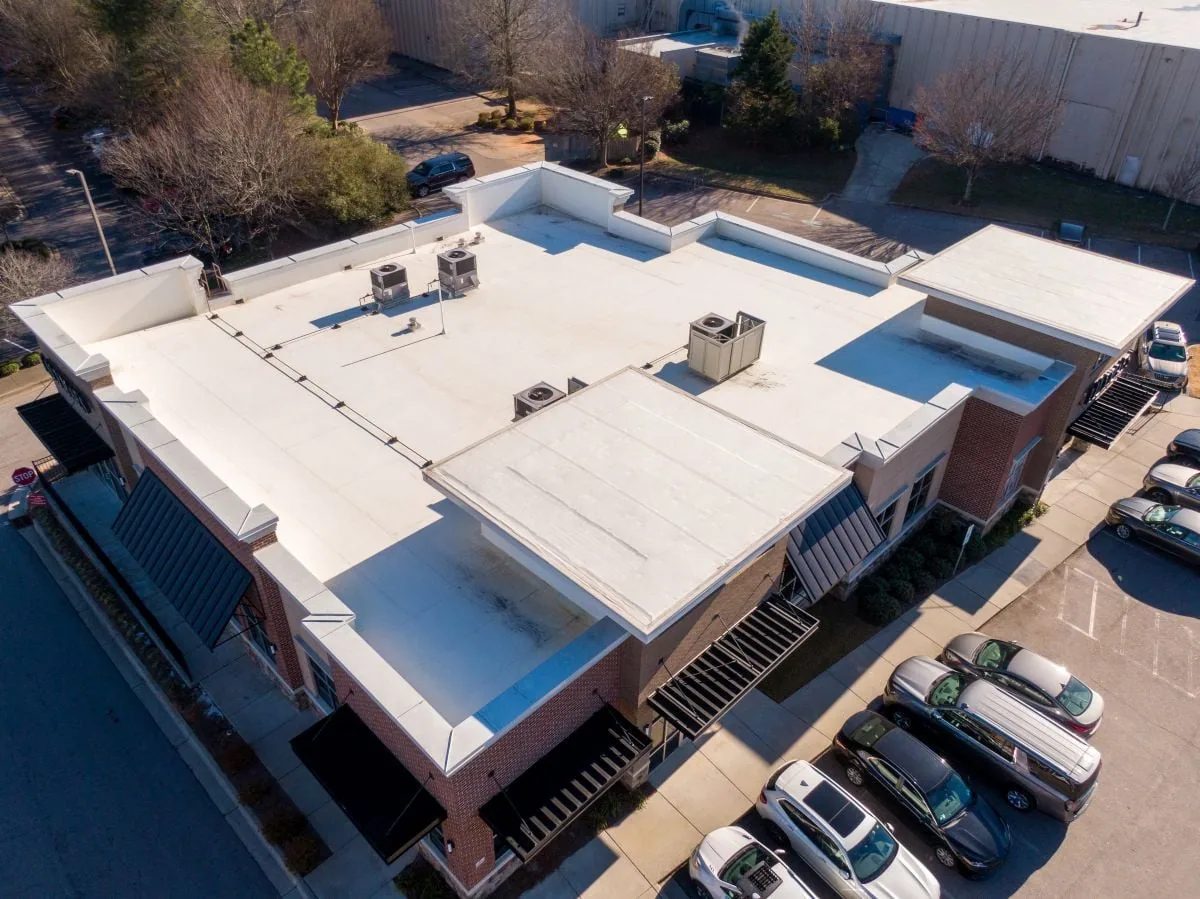
Wind can affect edge metal, coping, flashing, membrane terminations, and equipment supports, while hail can leave evidence on exposed surfaces that needs closer review. We note each observation by roof section and distinguish direct damage from age-related wear or earlier repairs. A displaced cap or open seam does not establish how far the condition extends. On a low-slope assembly, wind can lift a perimeter or loosen a termination where attachment or flashing has failed; a puncture, split, and displaced metal joint present different repair paths. We record the material, direction of movement, and extent visible around each detail, then distinguish a localized correction from a wider assembly review. A photograph with scale and roof-area label makes the boundary easier to price and inspect again. The inspection checks adjacent details and records whether the substrate, insulation, or deck needs further examination before the repair quantity is finalized. A storm file is easier to review when the first notice, mitigation log, contractor photographs, invoices, and later inspection remain in date order. We label which record predates exposure, which was created during stabilization, and which documents permanent work. If an opening is required to inspect the deck, the scope states what will be photographed before closure and how the area will be protected. This keeps claim evidence organized while repair selection stays tied to the roof.
Where the roof has multiple membranes or earlier patches, the selected materials must suit the existing assembly. A flashing repair may require a different preparation from a localized membrane correction. We identify the repair area, test or opening needed, and any item that remains provisional, giving the owner a scope version that can be compared with the field photographs rather than a broad storm allowance.
Protect operations while repairs proceed
Storm response on an occupied property must account for interior protection, loading schedules, roof access, and equipment that cannot be shut down without coordination. We confirm the contact who can approve added work and identify spaces where water or debris could affect operations. Staging and material paths are planned by work zone, with temporary protection maintained until the permanent detail is complete. If weather interrupts the sequence, the record states what remains exposed and when the crew will return.
Scheduling can span Olathe and nearby municipalities, while each repair record stays tied to its property's roof area and access plan. The portfolio manager can sequence priority work across Olathe, Lenexa, and Gardner, with every building diagnosed on its own roof. A shared property schedule can preserve approvals and closeout details when several sites need review.
More About Storm Damage Roof Repair in Olathe, KS
Separate repair evidence from claim assumptions
Owners may need photographs, dates, material descriptions, and a clear account of what was visible to evaluate an insurance claim. We can document observed conditions and completed work, but the file should not state that an event caused a defect unless the evidence supports that conclusion. Keep emergency stabilization, permanent repair, and any replacement alternative in separate lines. A claim documentation review can organize records for the owner while leaving coverage decisions to the insurer.
After repairs, compare the remaining condition with the reserve plan and set a follow-up date for areas that were opened, deferred, or inaccessible. A capital review can separate current repair costs from future replacement allowances. The next inspection interval should follow what the crew confirmed, what remains uncertain, and whether any detail has shown recurrence since the storm work.
Closeout for storm work should answer three questions in writing: what was damaged, what was done to stop further loss, and what remains to be corrected. Photographs, material descriptions and roof-plan locations support each answer. If a permanent repair is deferred, the file records the reason, the interim protection and the date for the next check, so no temporary measure quietly becomes the long-term roof.
Commercial Roofing Questions
How does the May 2024 Olathe storm report figure in my roof's repair record?
The NWS documented wind damage from Gardner into Olathe, and a dated event like that belongs at the top of the file for any building in its path. The inspection supplies the rest: the roof-area record, the observed condition, what was stabilized and what still requires testing, which together set the repair scope.
What should happen first when a storm opens a roof?
Limit active exposure where conditions and access allow, protect affected interiors, and record the temporary work separately from the permanent correction. We note the time, materials, roof section, and person approving the response. Once conditions permit, the inspection can trace the repair boundary and identify any concealed area that still needs review.
How are storm repairs documented for a commercial property?
The file should include the reported event date, roof plan or marked section, photographs, observed damage, temporary measures, permanent materials, access limits, and open questions. We link each item to the building and distinguish confirmed conditions from possible causes. That record can support owner review and later claim discussions without predicting the insurer's decision.
Can one storm-response schedule cover Olathe and Gardner properties?
A shared calendar can coordinate visits, but the inspection and repair scope must remain separate for each roof. We record the property contact, access window, assembly, observed condition, and approved work at each location. The NWS storm route gives the review a starting date for each building along it.
When should a temporary repair be revisited?
The return date follows the material used, weather exposure, remaining water risk, and whether the permanent scope is ready. We identify who owns access and approval, then schedule a check if the temporary measure remains in place or a concealed condition is unresolved. The record should show when stabilization ends and the lasting repair begins.


Turn the storm response into a repair record
Share the event date, roof plan, photographs, leak locations, prior work, and access contact. We can document visible conditions, stabilize active exposure, and separate repair scope from claim and reserve assumptions.