
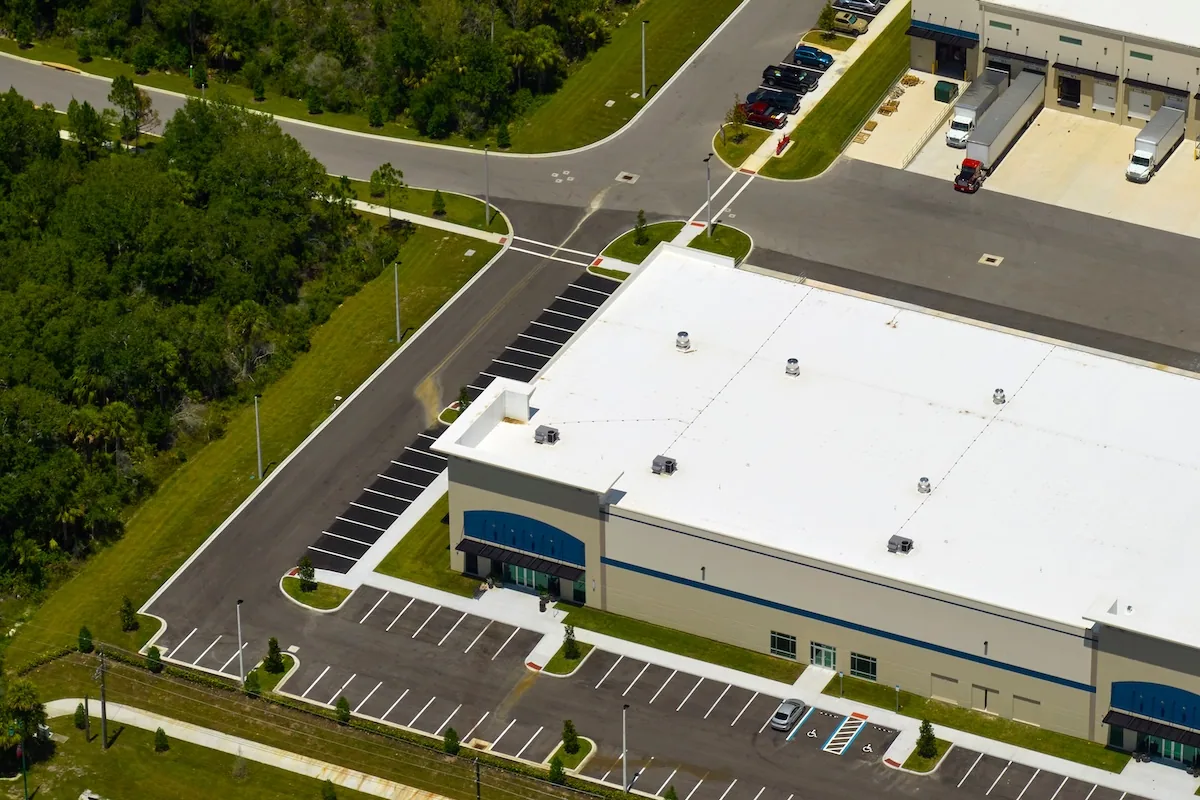
Roof Capital Planning in Olathe, KS
A roof budget set from the age on the original drawings gets revisited after the first hard winter shows the roof had other plans. A capital plan for Olathe, KS properties works better when that second look comes first. With 109.6 freeze days a year and 37.54 inches of annual precipitation in the NOAA normals, seams, flashings and drains in this market get tested often, and the condition they are in by autumn is a better guide to next year's reserve than the date on a permit. We take field findings, divide them into repairs the roof still earns and replacements the roof is approaching, and hand the owner a schedule with the evidence beside each line.
Send the decision dates and the roof records you hold
Share the property list, the roof-area register, available condition reports, warranty files, the budget years you are filling and an access contact. We will return a documented assessment that separates current repairs from capital planning assumptions.
What a roof capital plan decides
The plan answers four questions for each roof area: how much life remains, what it will cost to keep it going, when replacement becomes the cheaper path, and what scope and system will suit the building at that time. Each answer is stated with the observations behind it and the assumptions that could change it, such as a hard winter, a storm or a change in tenant use.
The output is a table the finance side can use and a set of reports the operations side can act on. The finance table shows capital year, scope type, an allowance range and the confidence in that range. The operations record shows what to inspect, when to inspect it and which repairs to make in the meantime. Keeping these separate prevents maintenance spending from quietly turning into a replacement by installments.
Climate, code and the Olathe replacement scope
Olathe's yearly swing, from about 29.8°F in January to about 78.8°F in July, moves membranes through repeated expansion and contraction. The plan treats those normals as a reason for steady inspection intervals, not as a prediction for any single roof. A dated event also matters: the National Weather Service put an estimated 80-mph peak on the May 19, 2024 squall line as it crossed from Gardner into Olathe, and properties in that path warrant a review before the next budget cycle is closed.
Since September 1, 2019 the city's code-transition notice has listed the 2018 editions of the building, existing-building and energy codes, so the plan confirms the edition and local amendments with the building department for each project. Replacement scopes in Olathe can turn on insulation requirements and fire classification, so a plan should carry an allowance for code-driven items and flag them as items to confirm. Properties in Lenexa, Gardner or Shawnee may follow their own municipal requirements, which the plan lists separately.

Estimating remaining life from field evidence
Remaining life is estimated from what the roof shows. We combine the age and system type with a current inspection, seam probing, moisture scanning where warranted, and the repair history. A membrane that is flexible, dry and well bonded, with few repairs, is given a longer horizon than a younger roof that is wet, ponded and repeatedly patched. We give a range, not a single year, and explain what would move a roof to the early or late end of it.
Where the evidence is thin, the plan says so and sets a review date. An inspection before the plan is finalized costs less than a replacement scheduled a year too early or a leak found a year too late, and the condition reports that result are the source for the reserve table.
The point where repair spending stops paying
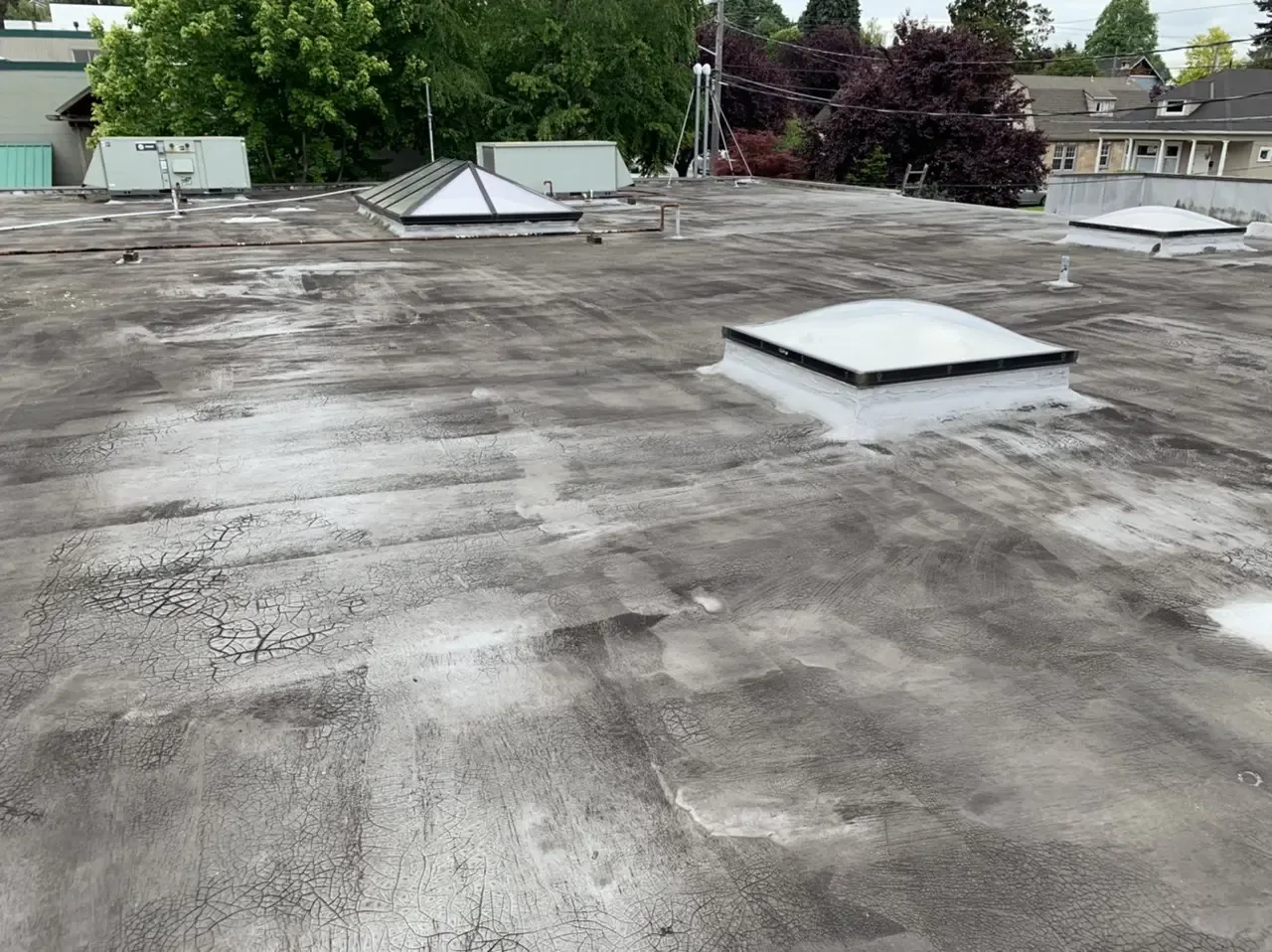
A roof can usually be repaired for another year. The question is whether repair dollars are buying time or only masking decline. We total repair lines by roof area across years and compare them with the cost to replace; if the repair line is rising and each repair is a new location rather than a recurrence, the roof is wearing out broadly. If repairs recur at the same detail, a single correction may end them.
Alternatives to full replacement belong in the comparison. A recover over a sound roof can avoid tear-off where the existing system and its insulation allow, and a restoration coating can extend a membrane that passes adhesion and moisture tests. The plan shows each option's cost drivers and its limits, so the owner can choose by capital year and not by habit.
More About Roof Capital Planning in Olathe, KS
Phasing work across seasons and tenants
Replacement work in Olathe is best planned for the months with fewer freeze days, which affect adhesives, welding and the safety of the crew. We build the schedule backward from the target completion, leaving time for design, permit review, material lead times and tenant notices. A large building can be phased so one roof area is replaced per season, but phasing adds mobilization cost and tie-in details, and the plan shows that tradeoff.
Occupied buildings add constraints: loading schedules, quiet hours, equipment shutdowns and access routes. In the large industrial developments of southern Olathe, where the city's plan names Lineage Logistics and FedEx, loading and shift schedules may set the window more than the weather does; each building's own schedule decides. We record those constraints in the plan and update them when the tenant mix changes.
Sequencing a portfolio across several budget years
When several roofs approach the end of their service life together, the budget can spike. Sequencing spreads the work: the worst roofs go first, those with moderate condition follow after interim repairs, and sound roofs receive maintenance. A plan that leaves one year empty and the next overloaded usually reflects equal age assumptions and not condition.
The register behind the plan comes from roof asset management, and a multi-site program can carry the sequence across all properties. Owners in Olathe and nearby cities can share one template, and each year's update changes the ranking only where the field evidence changed.
Commercial Roofing Questions
How far ahead should a roof capital plan look?
Five to ten years is a workable horizon, with the nearest two years specified in detail and the later years held as ranges. Longer horizons are possible, but they depend on assumptions the next inspection will test. The plan should be refreshed after each inspection cycle and after any major storm.
Why would two identical roofs get different replacement years?
Because condition, not drawings, sets the date. Differences in drainage, exposure, equipment traffic, repair history and prior maintenance produce different wear on the same system. The plan records each roof's evidence so the difference is explained instead of assumed.
Can the plan include insurance proceeds after a storm?
It can show a covered scope as a separate line, with the claim status and what is not covered. Keeping insured repairs apart from planned replacement protects the reserve from being used for storm items, and it makes clear which dollars come from which source.
Does the plan assume a particular roof system for replacement?
It lists the likely systems with their cost drivers and compatibility with the building, such as insulation, deck and drainage. The final choice comes at design stage, once the owner has weighed warranty terms, operations and long-term cost. The plan keeps the choice open until the evidence supports it.
What happens to the plan if a roof fails early?
The affected line is revised with the failure cause, the repair cost and the new horizon, and the rest of the sequence is rebalanced. Early failure often traces to a specific defect, and the report says whether sister roofs share it. That prevents a single problem from silently changing the whole schedule.


Send the decision dates and the roof records you hold
Share the property list, the roof-area register, available condition reports, warranty files, the budget years you are filling and an access contact. We will return a documented assessment that separates current repairs from capital planning assumptions.
