
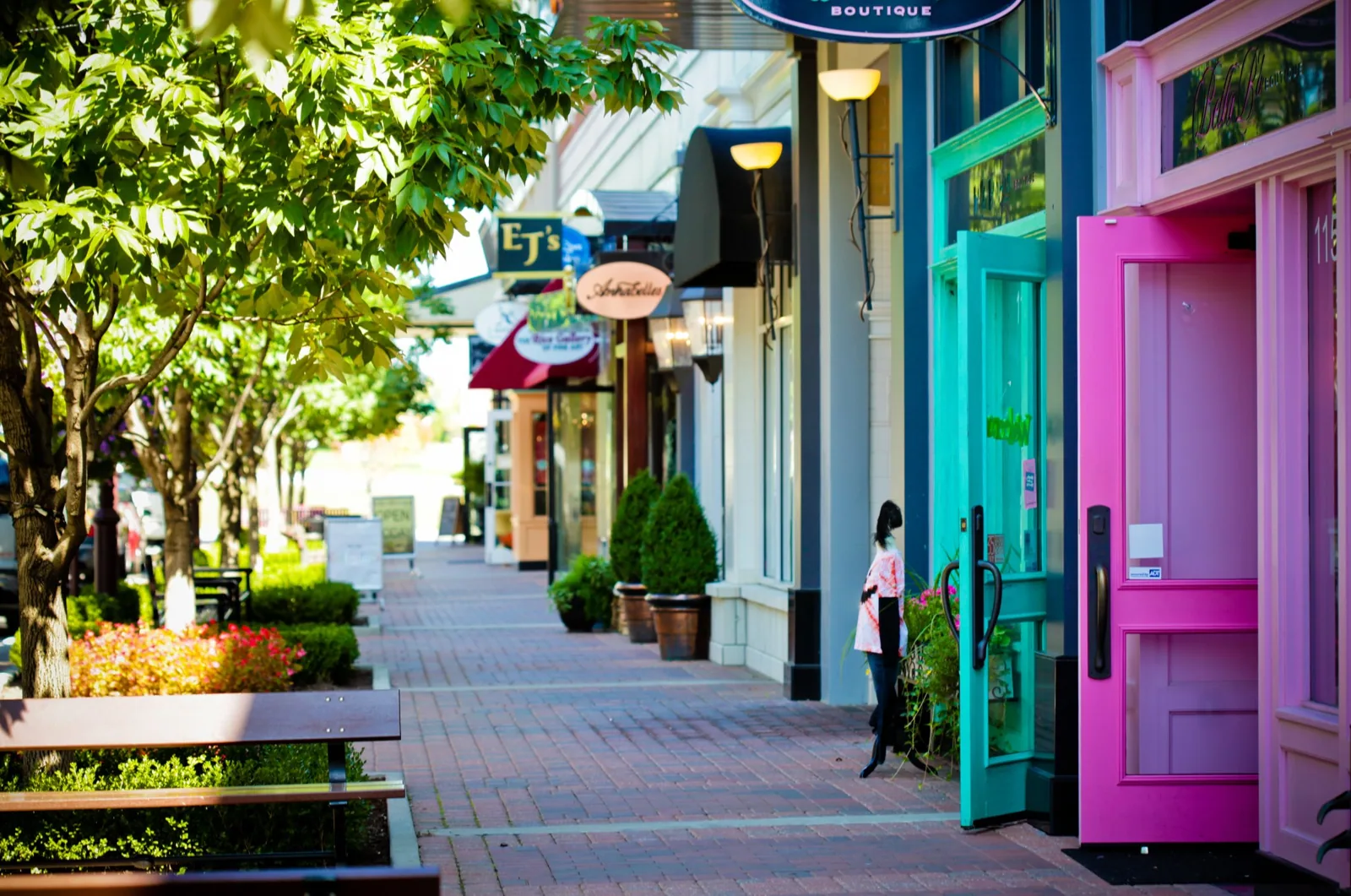
Commercial Roofing in Leawood, KS
Drainage records are the dullest paper in a roof file and the most useful when a replacement window is being argued over. A property in Leawood, KS, a city of roughly 34,093 people by the 2025 Census estimate with about $562 million in 2022 retail sales and $127 million in transportation-and-warehousing receipts, carries office, retail and service roofs where water either leaves the surface or stays to age it. Our crews handle repair, replacement, recovery, coating and inspection on commercial roofs, and the first question on a Leawood assignment is where water goes after a rain and what the dated record says about that path.
Bring the drainage record and the decision date
Send the property list, roof-area notes, leak history, available reports and an access contact. We will return a documented assessment that separates current repairs from capital planning assumptions.
Water paths on finished commercial roofs
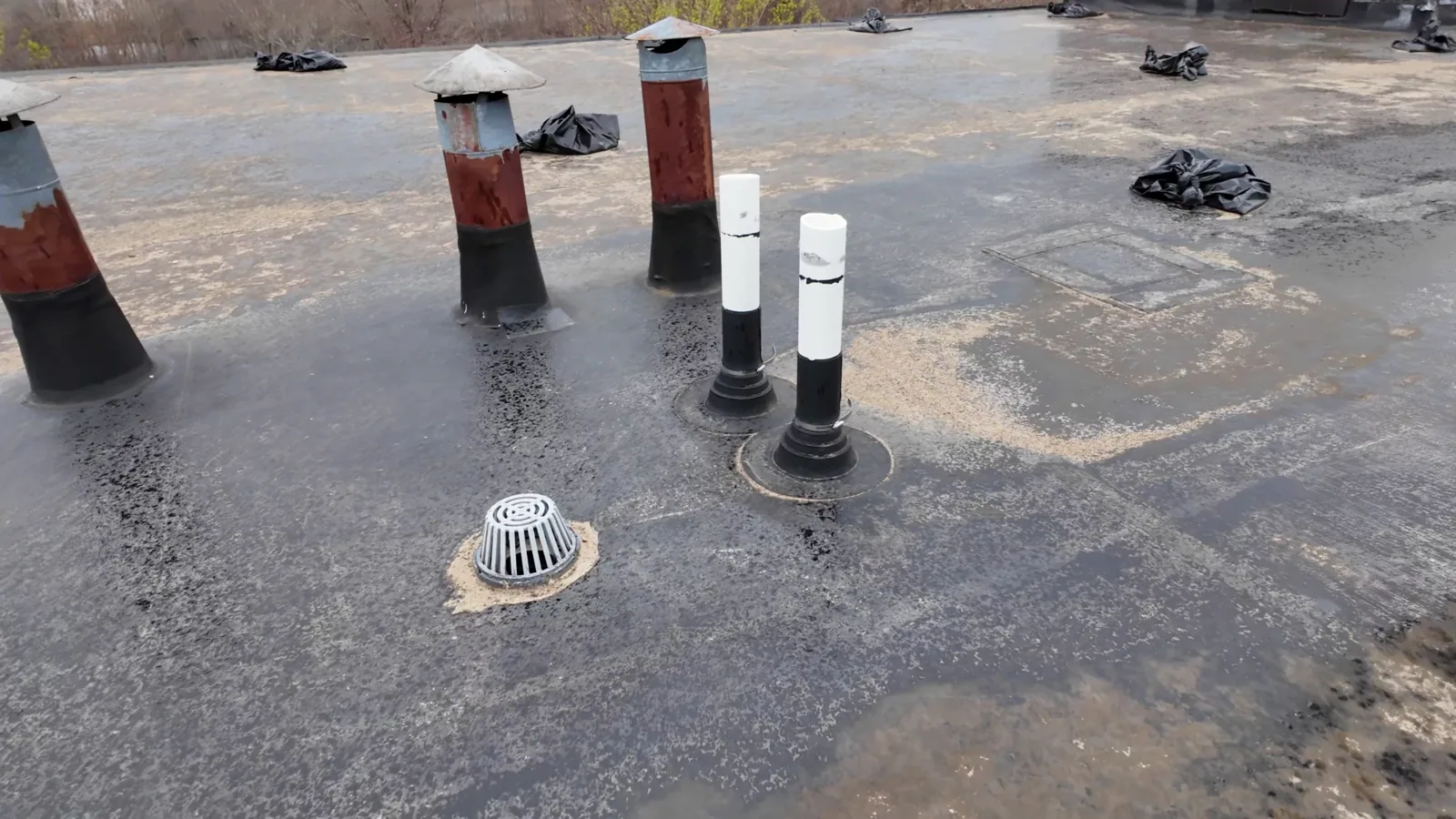
Commercial roofs that serve finished interiors are rarely forgiving of slow water. A ponding area that holds for a day after rain accelerates membrane wear, supports algae and debris, and loads the structure; a scupper that sits slightly above the field lets water linger at the low point every time. We look at slope to drains, drain bowl condition, scupper height, gutter and downspout connections, and the transitions where one roof level drains onto another.
Leawood reports both retail and transportation-and-warehousing receipts, so a drainage review cannot assume one pattern. A flat office roof with interior drains behaves differently from a storefront roof with perimeter scuppers, and each needs its own check. The roof drain and scupper work we do is often the cheapest way to shorten a leak history.
Reading the roof before pricing it
We begin by mapping the roof into areas and noting the assembly at each, then walking each area for open laps, surface cracking, blistering, loose flashings, failed sealant and unsecured edge metal. Each defect is photographed with a location mark and given a rating that tells the property manager whether it needs a work order this month or a place in next year's plan.
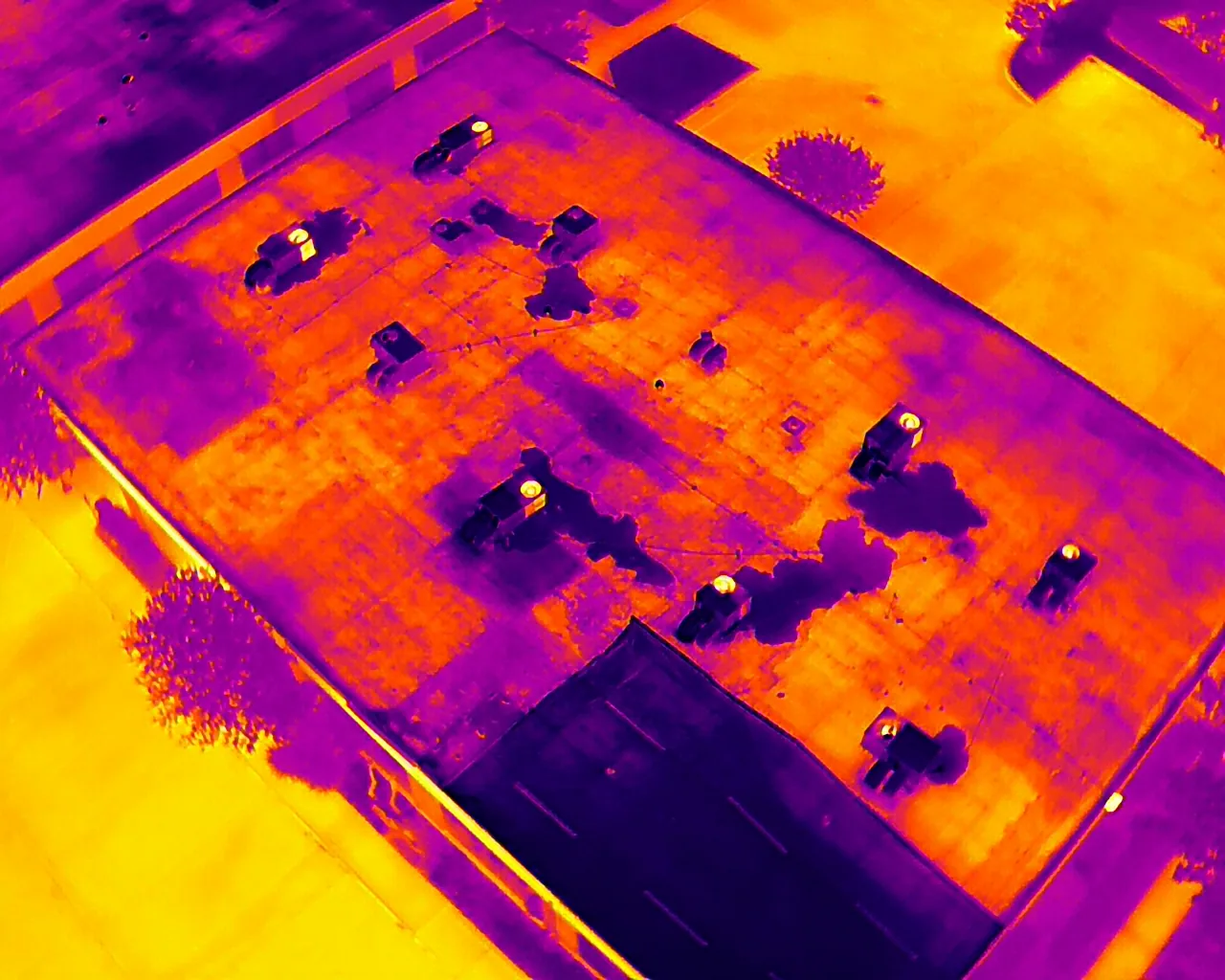
Where the interior has shown stains, we compare their positions with the roof plan, then use an infrared moisture survey to find where insulation has absorbed water. That narrows coring to a few spots and avoids opening up an otherwise sound roof. The finished roof condition report is the document an owner can hand to a lender, an insurer or a buyer's inspector.
Access limits are written down as well. A roof area we could not reach, a hatch that was locked or a section covered by equipment staging is listed as unreviewed, so nobody mistakes silence for a clean result. The next visit then picks up exactly where the last one stopped.

Repair thresholds and renewal triggers
Repair is the right answer when failures are confined and the membrane around them is still flexible and well bonded. A defined set of triggers moves the conversation toward renewal: widespread wet insulation, seams that open again after repair, membrane that has lost elasticity and cracks at the slightest foot traffic, or repair costs that rise year over year on the same roof area.
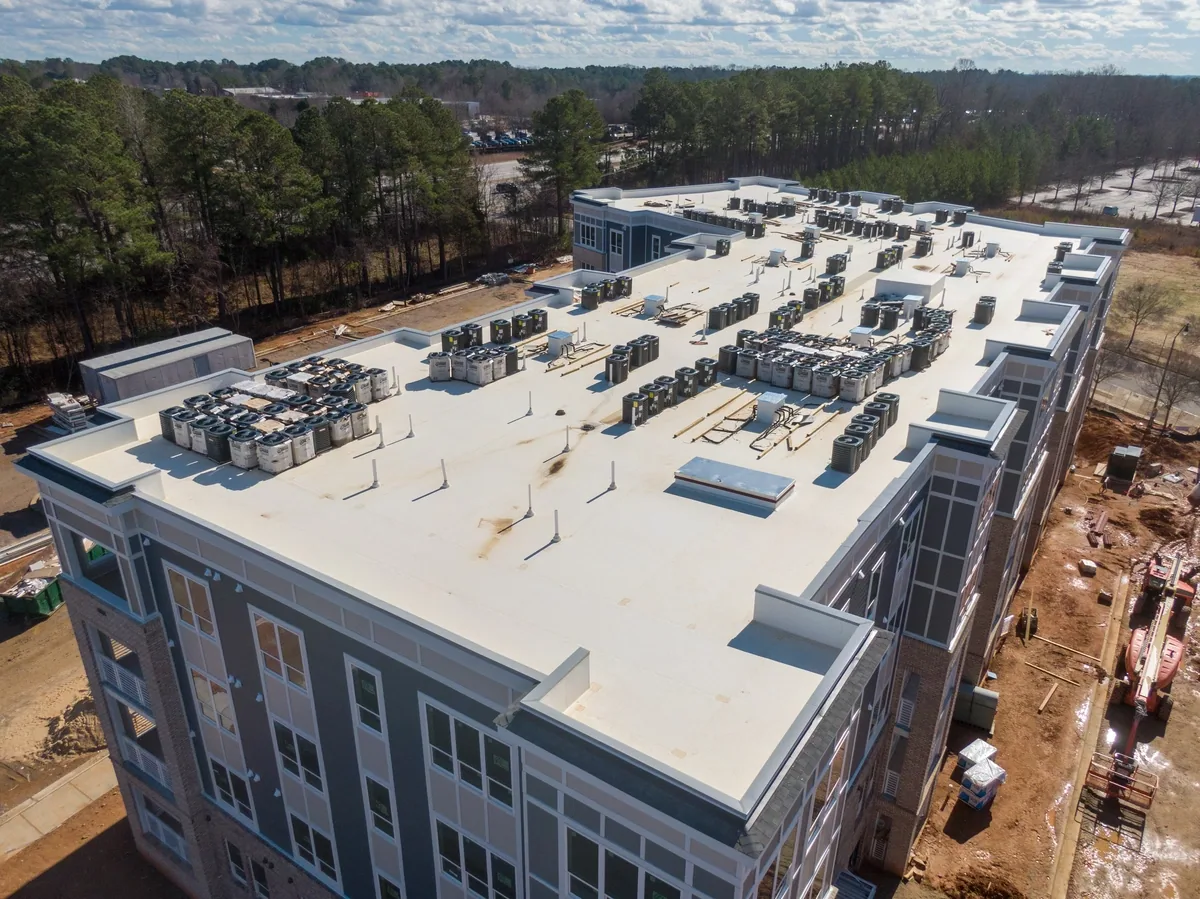
We write those triggers into the report so the owner knows the numbers that would change the plan. If a decision is made to renew, the system choice follows the building: single-ply such as TPO for large open fields, modified bitumen or built-up where traffic and detailing are heavy, and metal retrofit where the structure and appearance both suit it. Each carries different edge and flashing details that we price separately.
Seasonal limits on adhesives and welds
The Olathe station normals run from 29.8 degrees F in January to 78.8 degrees F in July, with 109.6 freezing-low days a year. Taking those as the regional reference, we plan membrane work for the stretch of year when adhesives cure and hot-air welds fuse properly, and we hold cold-weather work to temporary repairs and dry-in measures.
That calendar matters for budgeting. A Leawood owner who approves scope in winter can have materials ordered and the crew scheduled for the first workable window, rather than competing for the same days as every property that waited until the first hard storm. Early scope approval also leaves time to resolve questions about access, staging and rooftop equipment before mobilization.
More About Commercial Roofing in Leawood, KS
Placing Leawood in a wider sequence
Owners with holdings on both sides of the state line need one view of roof condition. We maintain a roof-area register by property and update it after each visit, so a manager can see which roofs are due, which are being monitored and which have open repairs. Leawood properties can sit in the same register as ones in Overland Park and Prairie Village, with the same condition scale and photograph method.
The result supports a multi-site roof program that spreads capital over several years in order of consequence instead of age alone.
Information for a first review
Send the property list, roof areas with dates of the last work, any warranty paperwork, leak locations and the contact who controls roof access. A Leawood review starts with a walk and ends with a ranked list of repairs, monitored items and renewal options, each tied to a photograph.
We also ask what the tenants need from the schedule. A medical suite, a showroom and an office floor each have different tolerances for noise, odor and early-morning deliveries, and the plan for staging, hoisting and walkway protection is set once those limits are known. If a decision date is tied to a lease renewal, a refinance or a budget meeting, tell us the date, since it fixes how much testing can happen before bids are due and how firm the scope can be at that point.
Commercial Roofing Questions
How can an owner tell whether ponding is a drainage defect or normal settling?
Time and depth separate them. Water that clears within a day or two and leaves little residue is usually tolerable; water that remains after two days, leaves a stained ring or sits deeper than a fingertip points to a low spot that needs attention. We measure, photograph and map the area, then recommend added drains, tapered insulation or a localized repair.
Does a flat office roof in Leawood need a different inspection from a storefront roof?
Yes, because the failure points differ. Office roofs with interior drains put more weight on drain bowls, sumps and overflow, while storefront roofs with perimeter scuppers put more on edge metal, gutters and parapet flashing. Each gets a checklist built on how that roof sheds water, and the report reflects which detail types were present.
What should a property manager keep after a roof repair?
Keep the invoice, photographs from before and after, the location mark on the roof plan, and a note of the materials used. Those four items let the next manager tell a new leak from a failed repair, and they support any warranty claim that depends on proof of maintenance.
When does an infrared survey make sense on a Leawood roof?
It makes sense when interior stains do not match visible damage, or when a membrane looks acceptable but leaks continue. Surveys work best after a sunny day when the roof has stored heat, because wet insulation releases it differently. The results guide coring, which then confirms the readings before anyone commits to a replacement scope.
Can emergency service reach Leawood on a holiday?
Emergency response runs every day of the year, including holidays. The first visit stops the water: a tarp, a patch, a cleared drain or a sealed penetration. A written repair scope follows once the roof is dry and visible, and it sorts the temporary work from the permanent fix.

Bring the drainage record and the decision date
Send the property list, roof-area notes, leak history, available reports and an access contact. We will return a documented assessment that separates current repairs from capital planning assumptions.
