Multi-Site Roof Programs in Olathe, KS
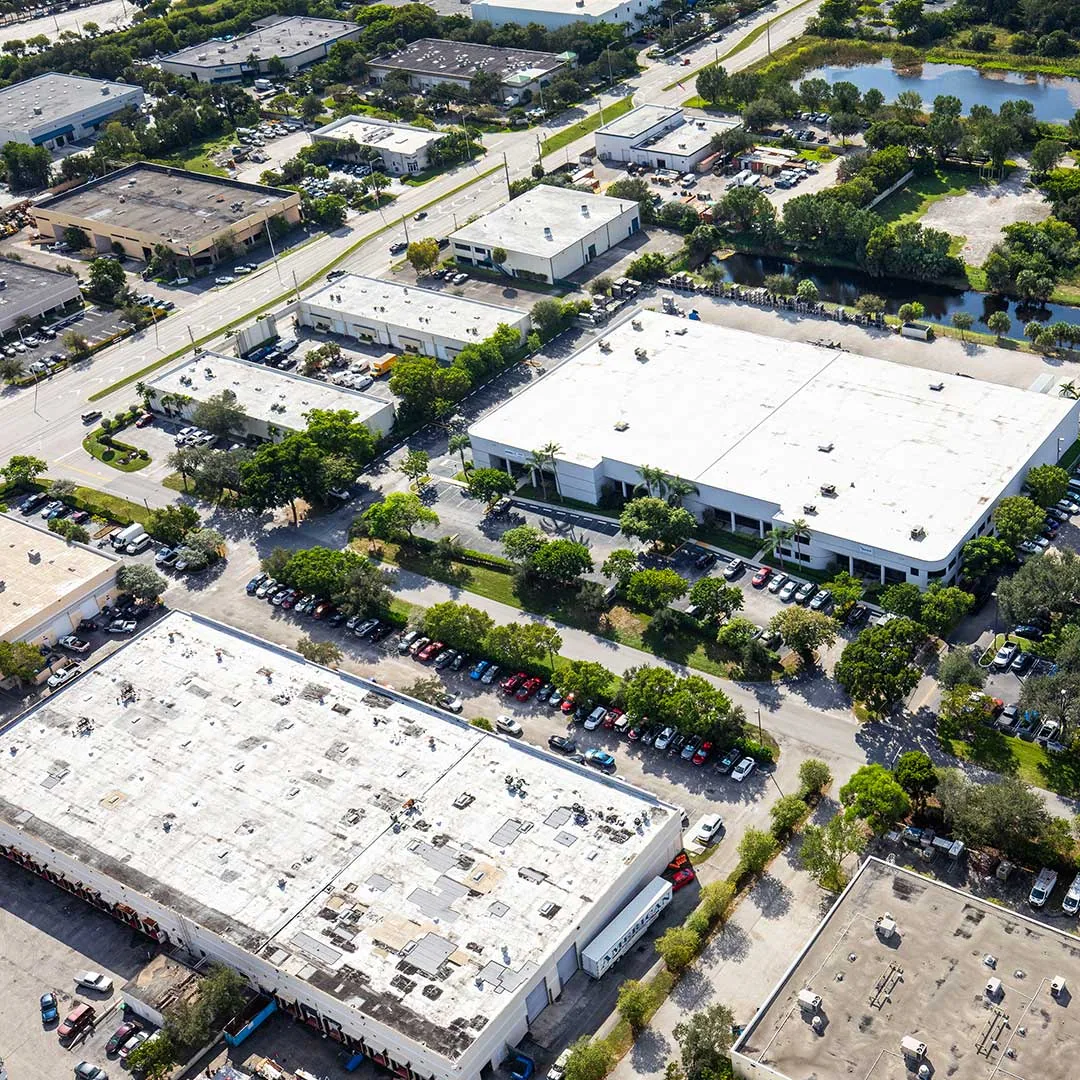
Managing roofs one building at a time means rebuilding the same questions for each: who has the warranty, when was the last inspection, which contractor made the last repair, and what is the plan for the next capital year. A multi-site roof program answers them once and keeps the answers current. For owners with properties across Olathe, KS and the Johnson County cities around it, we run a single register, a shared inspection calendar and one repair standard, so a roof in one city is rated, repaired and budgeted the same way as a roof in the next. The result is a portfolio the owner can read as a whole, with each building still treated on its own evidence.
Send the property list and the cities involved
Share the property list, any existing roof-area register, warranty files, the budget years you are filling and an access contact for each site. We will build the baseline and return a program plan that separates current repairs from capital planning assumptions.
What the program standardizes
The program fixes the items that differ most when each site is handled separately: the condition scale, the photograph positions, the repair material standards, the reporting format and the response expectations. It also fixes who receives what. The asset manager gets the portfolio table, the site contact gets the access and work notices, and accounting gets repair and reserve figures in the form it needs.
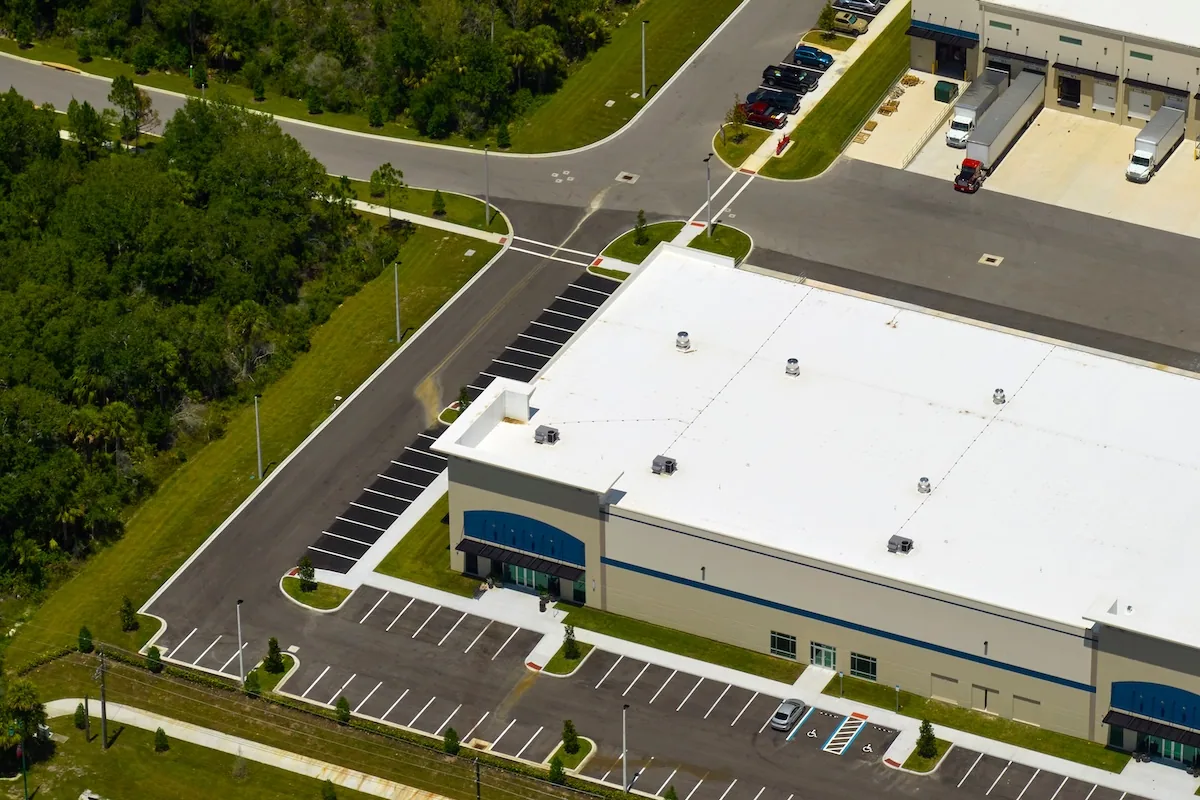
What the program does not do is flatten the differences between buildings. Each roof keeps its own record, and the standard is a method, not a prescription. A low-slope single-ply roof and a standing seam metal roof are inspected for different things, and the program's scale accommodates both while keeping the rating meaningful across them.
Corridors, cities and one climate record
A portfolio here can be grouped by corridor. K-10 runs 16.5 miles between the Douglas and Johnson County line and I-435, and KDOT lists De Soto, Lenexa and Olathe along it. K-7 runs north to south through the metro on a study area of about 40 miles, with Olathe among the communities taking part, and the city adds Woodland, Cedar Creek and I-35/Santa Fe to its own corridor studies. Those groupings suit inspection routes: a crew can cover several sites per trip, and the findings come back in an order the owner can compare.
The shared climate record comes from the Olathe airport station: 29.8°F in an average January, 78.8°F in July, 109.6 freezing-low days and 37.54 inches of precipitation a year. Using that one record across nearby cities, with its limits understood, keeps the seasonal schedule consistent, with autumn drain clearing and spring post-freeze inspections applied to every site. The May 19, 2024 wind path from Gardner into Olathe is an additional trigger for properties inside it.
An inspection calendar that serves the whole set
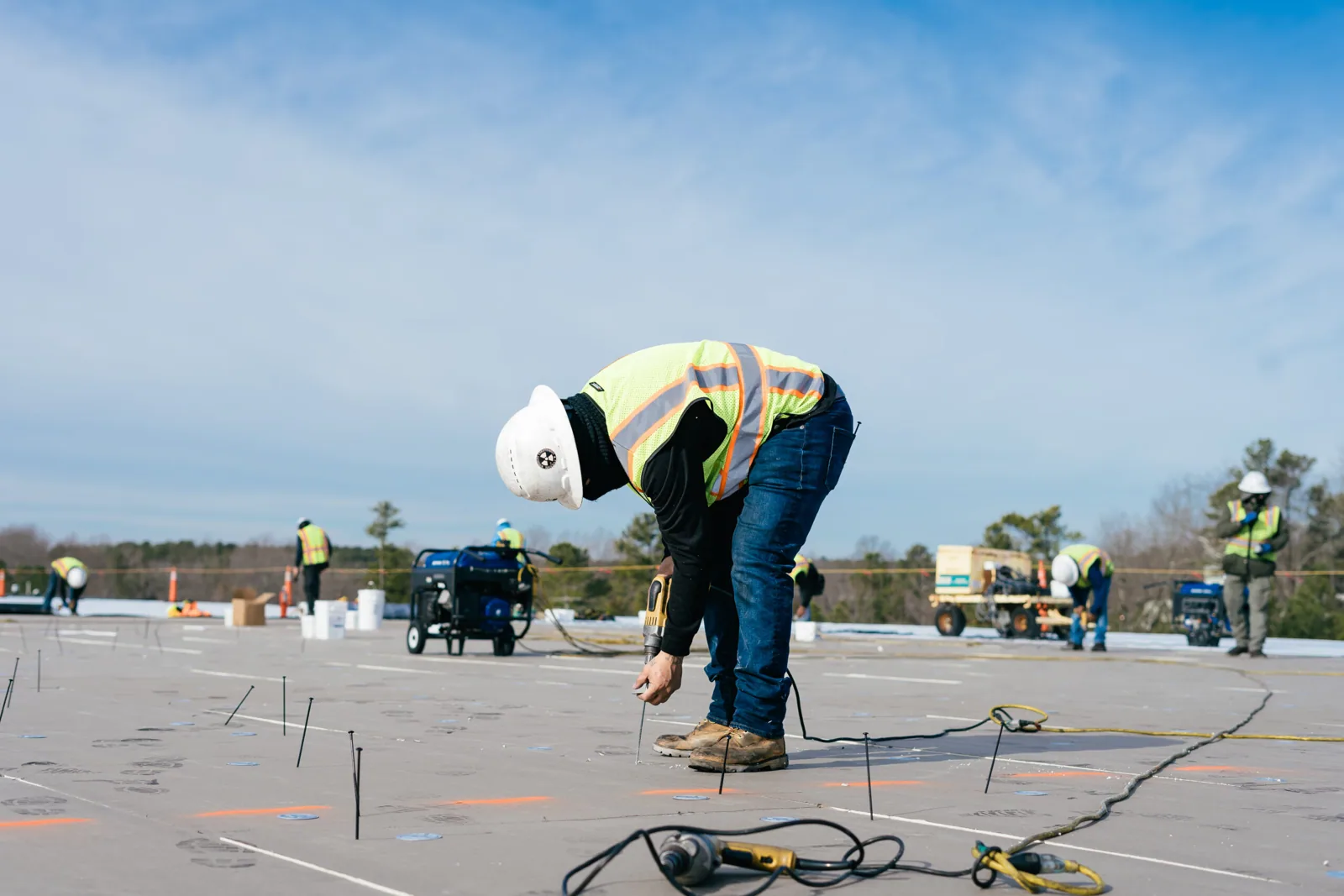
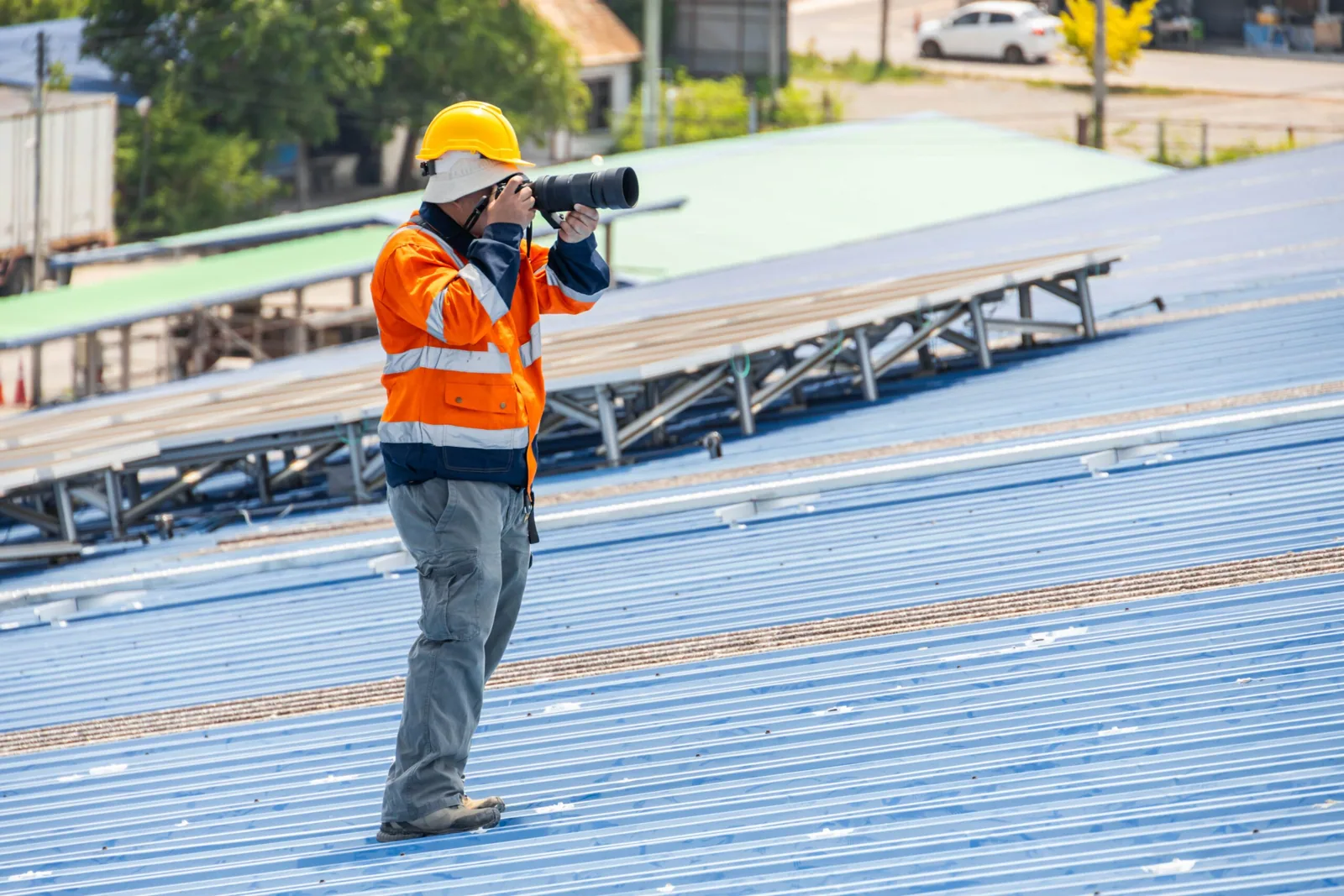
The calendar assigns each roof a visit interval based on its condition, age and exposure, and groups visits geographically. Sound younger roofs are visited at longer intervals; older roofs with repair history are visited more often, with special visits added after storms. The calendar also marks tenant constraints, equipment shutdown rules and access contacts for each site, so crews arrive with what they need.
Visits produce the same package at every site: dated photographs, ratings, open repairs and a short recommendation, rolled up into a portfolio table. Preventive maintenance visits clear drains and make minor repairs, and a full inspection is scheduled when a roof's condition or a transaction calls for one. When a leak happens, the same register tells us the roof's history before we arrive.
Rating roofs on one scale across sites
Rating consistency is the program's main technical task. We define each grade by what the roof shows, such as dry insulation, tight seams and clear drains for the top grades, and open laps, wet insulation or ponded areas for the lower ones. Every inspector uses the same definitions and the same positions for photographs, which lets the owner see trends instead of differences between observers.
Ratings roll up into a portfolio summary: how many roof areas sit at each grade, which are moving down, and which carry the highest repair spending. Those figures feed the capital plan, and the underlying condition reports remain available for each site when a lender, insurer or tenant asks for detail.
More About Multi-Site Roof Programs in Olathe, KS
Repair standards and replacement sequencing
A repair standard avoids the patchwork that develops when different contractors fix similar problems in different ways. For each system type, the program lists approved repair methods and materials, the preparation required, and the documentation that closes the work order. Repairs under warranty follow the manufacturer's requirements, which the warranty file records for each area.
When replacement becomes the answer, the program sequences it. Rather than reroofing the weakest building first by habit, we rank roofs by risk and consequence: the roof over inventory or sensitive operations may move up even if another is older. Phasing also lets the owner combine similar scopes into one bid package, which can reduce mobilization and give clearer comparison, while access and tenant needs set the order at each site.
Growing the program as properties are added
A program that works for a handful of buildings should hold up for a long list. New properties enter through a baseline survey that creates their register, and from that day they follow the same calendar and standards. For an owner expanding into Lenexa, Gardner or Overland Park, the first visit sets the baseline and the portfolio table updates. Properties near Olathe and its neighbors can be bundled by route.
Public and institutional properties fit the same method. Kansas law lists drills and meetings among the uses of National Guard armories, and the Kansas City VA Medical Center cares for more than 50,000 veterans a year on a 40-acre campus, so an owner of comparable buildings would add use schedules and access rules to the site entry. Our due diligence surveys are the usual way to add an acquired building, and roof asset management keeps the register current from then on.
Commercial Roofing Questions
How many sites does it take to justify a program?
There is no minimum, but the advantage grows once an owner has enough buildings that different people handle them or records live in different places. Two or three sites in different cities often benefit from a shared format. The program is scaled to the property list you bring.
Do all sites need to use the same roof system?
No. The program rates and inspects each system for what matters to it, while using a common scale for results. Standardizing the system itself is a replacement-time decision, and it should rest on cost, warranty and building needs, not on uniformity alone.
Who coordinates with property managers at each site?
A named contact on our side handles scheduling and reporting, and each site lists its own access contact. Work notices go to the site, rolled-up reports go to the asset manager. Clear roles keep tenants informed without burying the portfolio owner in detail.
What happens when a storm affects many sites at once?
The register shows which sites were inside the storm's reported path, and inspections are sequenced by exposure and roof condition. Emergency protection goes first where water is entering. Dated photographs and ratings for each site support the insurer's review and keep the claims organized.
Can the program include sites we do not roof?
Yes, any roof can be added, whoever installed or repairs it. Inspection and rating are independent of who does the work, and the repair standard identifies when a different contractor's method conflicts with the warranty. Keeping the record whole across the whole set of buildings is the main point, since a gap in one site weakens every comparison.

Send the property list and the cities involved
Share the property list, any existing roof-area register, warranty files, the budget years you are filling and an access contact for each site. We will build the baseline and return a program plan that separates current repairs from capital planning assumptions.