Metal Roof Retrofit and Restoration in Olathe, KS
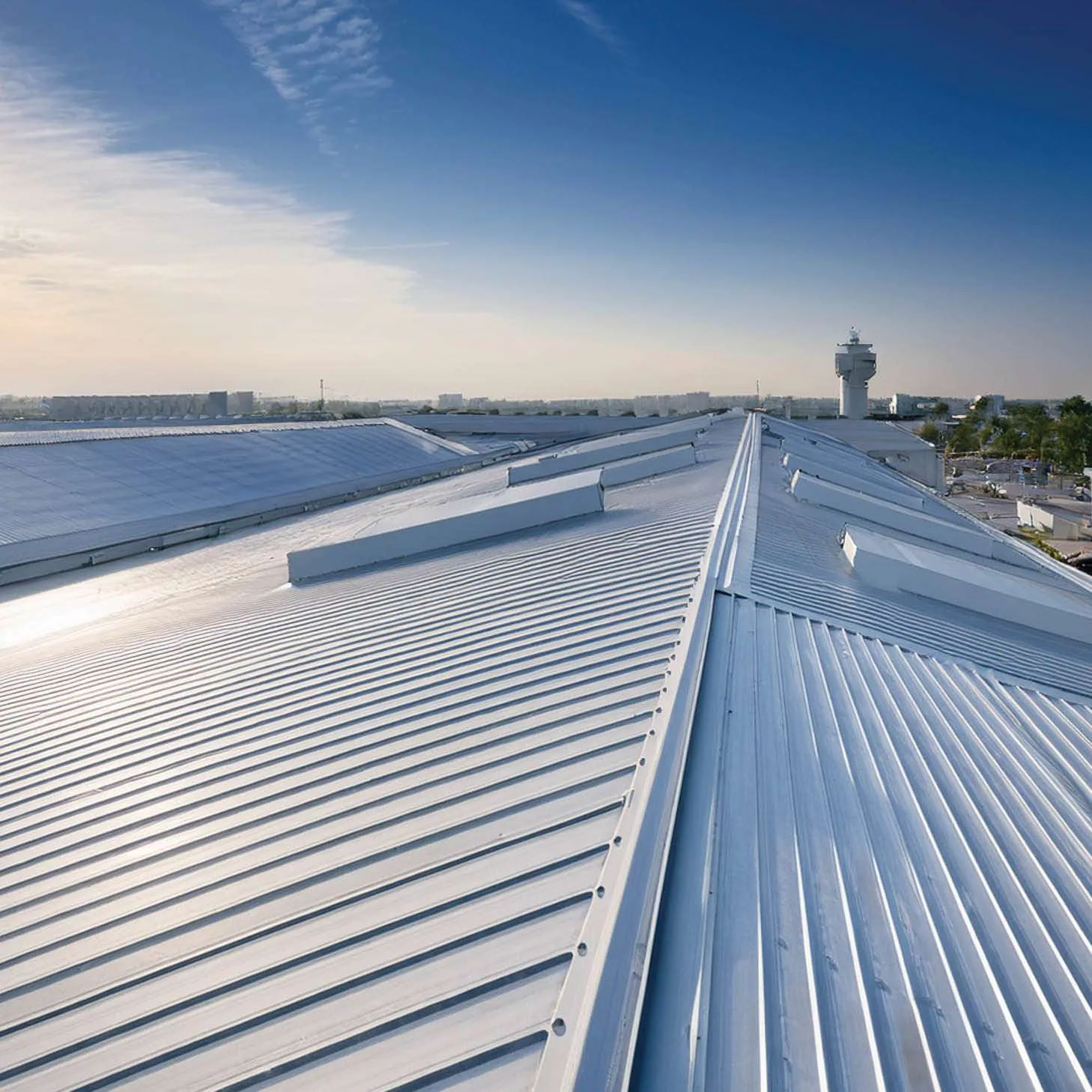
The exposed-fastener metal roof is a common sight on commercial and industrial buildings, and its renewal date usually comes from the fasteners long before the panels wear out. Thousands of screws with rubber washers are exposed to sun, rain and temperature swings, and each one is a small chance for a leak. In Olathe, KS the airport-station record includes 109.6 freezing days and a spread of about 49 degrees between its January and July means, so each panel and fastener moves through a wide range every year. The portfolio decision is whether to restore the existing roof, cover it with a retrofit system or replace it. We start from the fastener record and the panel condition and give the owner the numbers needed to compare the three.
Send the fastener counts, interior photos and the decision date
Share any prior surveys, leak logs and the capital year under review. We will document panels, fasteners and laps and separate current repairs from renewal planning.
How an exposed-fastener roof ages
Exposed-fastener panels are lapped, with screws driven through the flat of the panel into purlins below. Neoprene or EPDM washers under the screw heads form the seal. Over the years, the washers dry out and crack, the screws back out as the metal expands and contracts, and the holes in the panel elongate. Lap sealant, usually butyl tape, loses adhesion and shrinks.
The panels themselves are often in better condition than the fasteners. A coated steel panel with a sound finish can last many more seasons, which is why restoration is often the first option reviewed. Where the coating has failed and rust has started at cut edges and screw holes, the picture changes. We record panel type, gauge where visible, fastener spacing, washer condition, lap condition and the number of corroded locations for each roof section.
Insulation and the interior side change the picture. Many exposed-fastener buildings have a vinyl-faced blanket insulation draped over the purlins, and that facing can hold water that has passed the panels, hiding a leak for months. Where the building has no insulation, the panels sweat in cool weather and the drips are mistaken for roof leaks. We note the insulation type and look at the facing at every leak location.
Walking the roof for fasteners, laps and rust
A good walk follows purlin lines, because stepping between them dents thin panels. We check a sample of fasteners in each section, noting how many are backed out, how many have cracked washers and how many are missing. Lap seams are checked at the high side and low side, and the ridge cap, rake trim and wall flashings are examined for open joints.
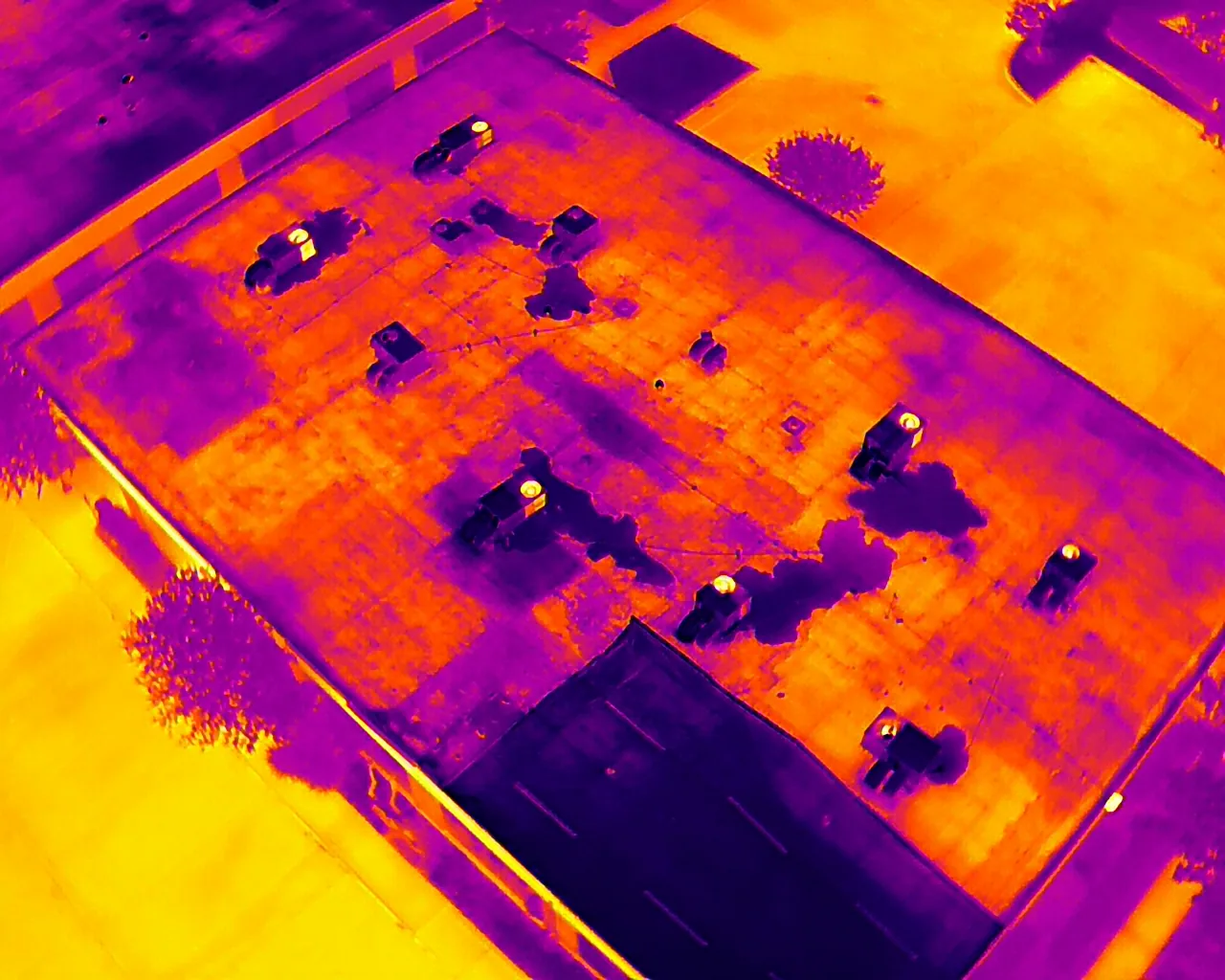
Interior evidence matters in metal buildings. Condensation drips from the underside of a cold panel can look like a roof leak, and staining along a fastener line is usually real water entry. We compare the interior findings with the roof walk and use an infrared moisture survey where there is insulation to evaluate. The register records the findings by roof section, with photos and counts, so the owner has a measurement of how quickly the roof is deteriorating.
Penetrations and curbs in a metal roof are cut into the panel profile with closure strips and sealant, and they are one of the most common sources of persistent leaks. We inspect pipe boots, vent flashings, skylight curbs and unit curbs, checking whether the closure strips still fit the rib and whether sealant has separated. Where a curb crosses several ribs, we look at the upslope side first, since water collects there.
Wind, hail and the 2024 event
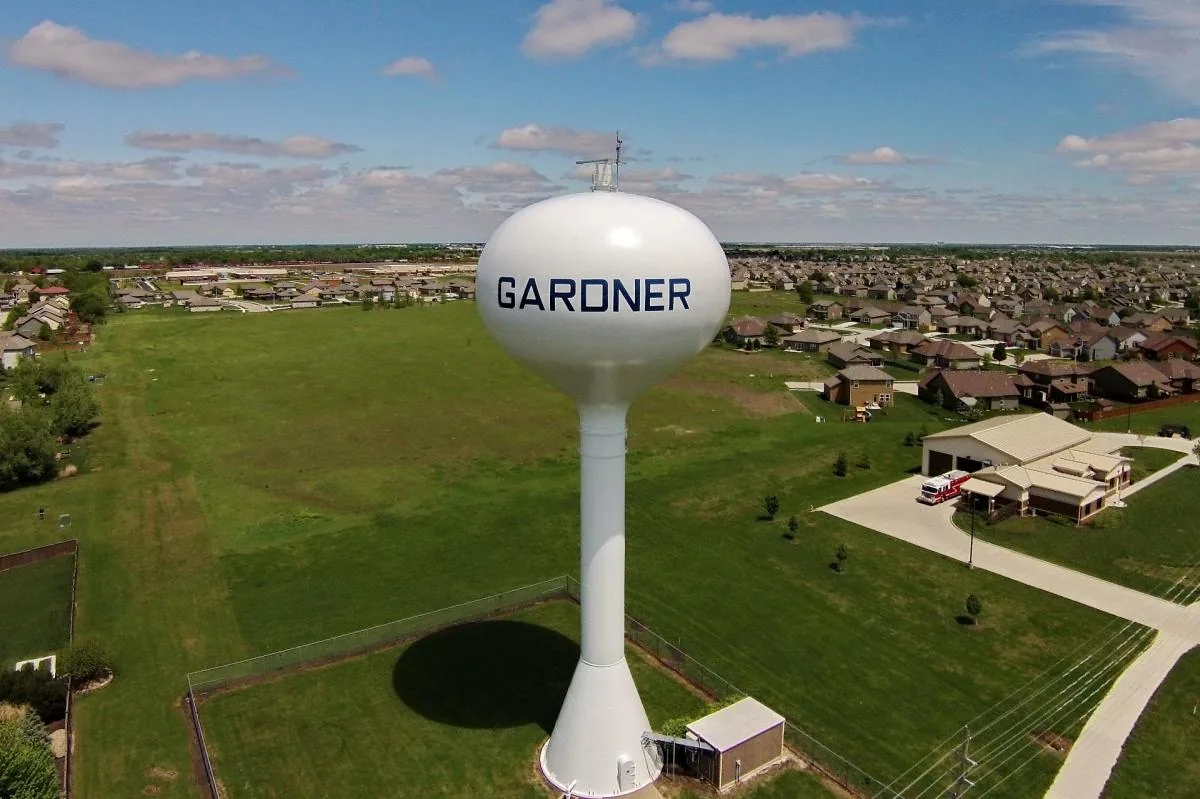
Metal roofs inside the corridor that the May 19, 2024 straight-line winds crossed between Gardner and Olathe give us a specific reason to inspect, since the survey estimated gusts near 80 mph there. Wind loads panels at the corners and edges and can pull fasteners out of purlins, so we check edge rows, end laps and trim before looking at the field. Panels that lifted and settled back may show shiny scuff marks or open holes.
Severe storms in the Kansas City area can carry hail, which should be handled as an event inspection. Dents in thin panels do not always cause leaks, but a cracked coating or a fractured lap does. We record the date of any reported storm, the size and distribution of dents where they can be seen, and whether any breach reaches the substrate. Our hail damage repair work uses that record when a claim is being prepared.
Re-screw, coat, overlay or replace
Four paths exist. Re-screwing replaces backed-out fasteners with larger-diameter ones and new washers, and re-seals laps; it works when panels and purlins are sound. Coating, such as silicone or acrylic over a prepared, re-screwed roof, adds a continuous layer and a reflective surface. A retrofit overlay installs new framing or a new standing seam system over the old panels, which avoids tear-off and keeps the building in operation. Replacement removes the old panels entirely.
Each has limits; a new standing seam overlay has the longest horizon of the four. Coatings need sound metal and rust treatment. Overlays add weight and need clearance at curbs and eaves. Replacement is the right call when panels are corroded through or purlins are damaged. The scope version states which path was priced, what quantities support it and what conditions would change it, so the owner can compare bids on the same roof area.
More About Metal Roof Retrofit and Restoration in Olathe, KS
Sequence, condensation and the code basis
A retrofit over an occupied building keeps the existing roof in place while new framing and panels go on, so the work can continue through light rain with the old roof as backup. That is a main reason owners choose it. It also traps the building's moisture unless the new assembly is detailed to vent or insulate, and condensation control is part of the scope.
Olathe's 2018 International code set, adopted September 1, 2019, governs the permit, and the owner should verify the edition and any local amendments with the city. In southern Olathe's industrial setting, named in the city plan with 56 Commerce Center among its examples, work would be paced by dock activity and tenant schedules. We keep the work zone away from loading areas and close the roof at the end of each day.
Material lead times affect the schedule. Panels, trim and clips for an overlay are fabricated to the building, and the order is released after field measurements. We measure, fabricate and install in sections, with the old roof kept watertight until each new section is complete. A daily closeout lists the sections finished, the sections open and the photographs of tie-ins before they are covered.
Commercial Roofing Questions
Why do exposed-fastener roofs leak at screws?
Washers harden and crack, and metal movement backs the screws out of the purlins. Each opened hole becomes a leak path, and the pattern follows the fastener lines.
When does restoration make sense instead of overlay?
When panels have little corrosion and the purlins are sound. A restoration costs less and preserves the roof system, but it does not add insulation or change the profile.
Does a retrofit change the weight on the structure?
It can. New framing and panels add weight, so the structure and the clearances at equipment and eaves are verified before an overlay is priced.
How do you tell condensation from a leak?
Condensation appears over a wide area during temperature swings and humid periods, while a leak follows rain and lines up with fasteners or laps. We compare timing, location and moisture readings.
How does the 2024 wind path change the plan?
Roofs in the reported Gardner-to-Olathe path get an inspection of edge fasteners and laps first. The rest of the portfolio follows its normal interval.
Send the fastener counts, interior photos and the decision date
Share any prior surveys, leak logs and the capital year under review. We will document panels, fasteners and laps and separate current repairs from renewal planning.