Acrylic Roof Coatings in Olathe, KS
An acrylic coating is the lower-cost restoration option in a roofing plan, and it belongs on roofs that drain well, hold a sound substrate and can be recoated on a predictable schedule. It is a water-based elastomeric film applied in coats, usually white, that reflects sunlight and seals small cracks. For an owner in Olathe, KS, where NOAA normals at the Johnson County Airport station record a July mean of 78.8°F with average highs of 89.4°F and 109.6 days a year at or below freezing, the questions are whether the roof sheds water, whether the cure window can be met and whether the recoat date will be kept. We put the answers in the roof-area register before the scope is written.
Send the drainage notes, moisture data and the recoat window
Share prior reports, storm history and the capital year under review. We will test the substrate and write a scope that compares acrylic with the alternatives.
What an acrylic system is made of
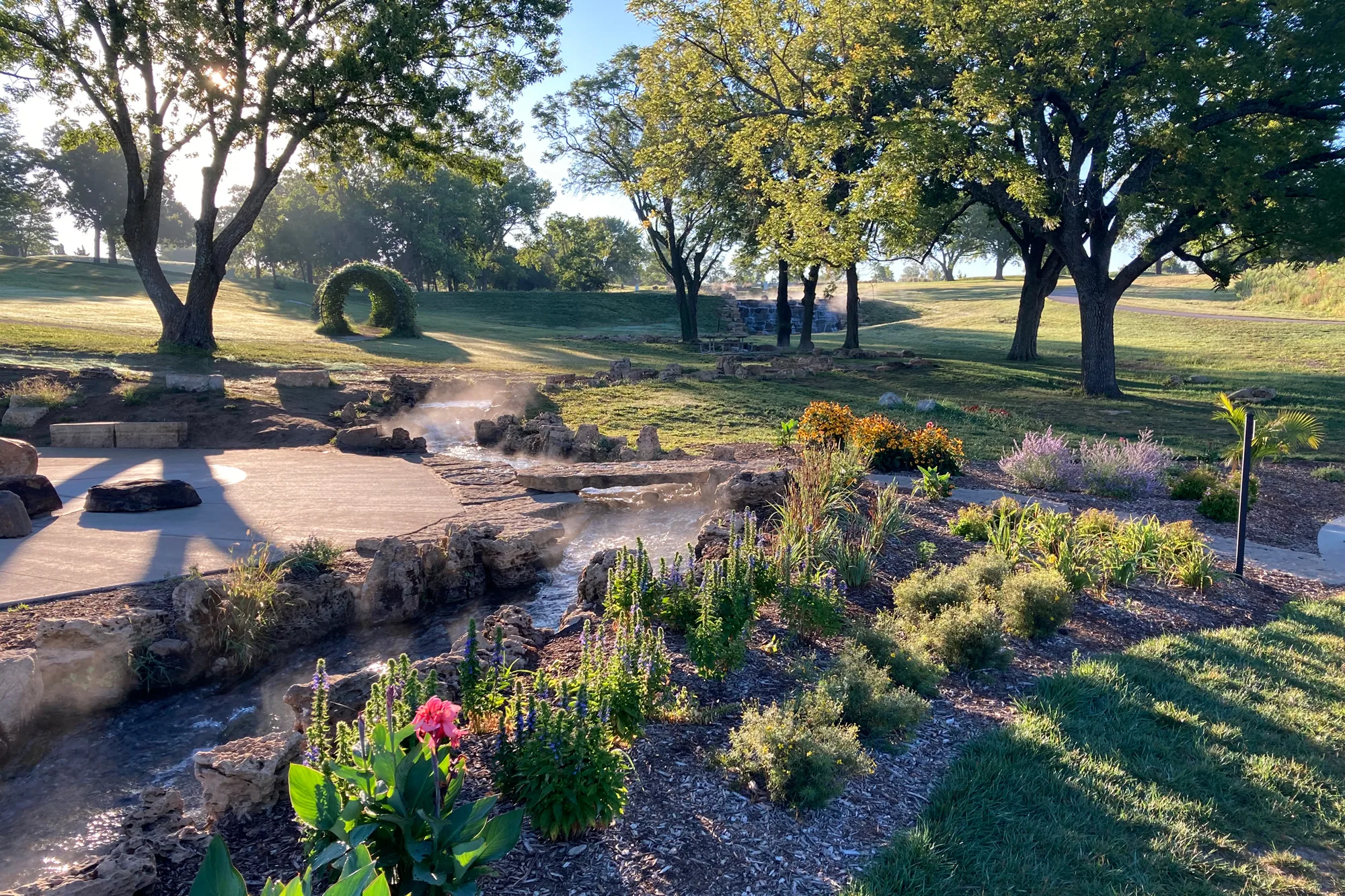
A typical acrylic restoration has a primer where the substrate needs one, a base coat, reinforcing fabric at seams and penetrations, and one or two finish coats. The coating dries by water evaporation, which makes it easy to apply and clean up, and it bonds to a wide range of substrates, including aged single-ply, modified bitumen, metal and sprayed foam, after proper preparation.
Acrylic is less tolerant of standing water than silicone. When a film stays wet for days, it can soften, blister or lose adhesion. That is why drainage is the first item in the register. Dry film thickness is the second: a coating is only as protective as the film actually applied, and thin application is the usual cause of early wear. We state the number of coats and the thickness in every scope version.
Reflectivity is the visible benefit. A white acrylic film returns more sunlight than a dark membrane, which lowers roof surface temperature in summer and reduces thermal stress on the substrate. Dirt and algae dull that effect over time, so the maintenance plan includes washing before a recoat. A building that needs a reflective surface from the start is a candidate for cool roof installation instead.
Cure windows, freeze days and storms
Water-based coatings need warm, dry days to cure, and rain before the film has set can wash it off the roof. The airport station records 37.54 inches of annual precipitation in a normal year and a January mean temperature of 29.8°F, so the practical application season falls between spring and early fall. A reserve plan that places the coating in late spring or summer allows time for each coat to cure and for the owner to inspect before the first freeze.
Hail is part of Kansas City-area severe thunderstorm climatology. A reflective acrylic film can show hail bruises as small breaks, and the coating over a damaged foam or membrane may hide the injury. After a reported storm we inspect, test suspect spots and repair with matching material. The National Weather Service documented straight-line wind damage on May 19, 2024 from Gardner into Olathe with an estimated 80-mph peak wind in the survey path, and a coated roof in that path needs a check of edges and flashing before any recoat is planned. A coating does not restore attachment.
Substrate tests before the first coat
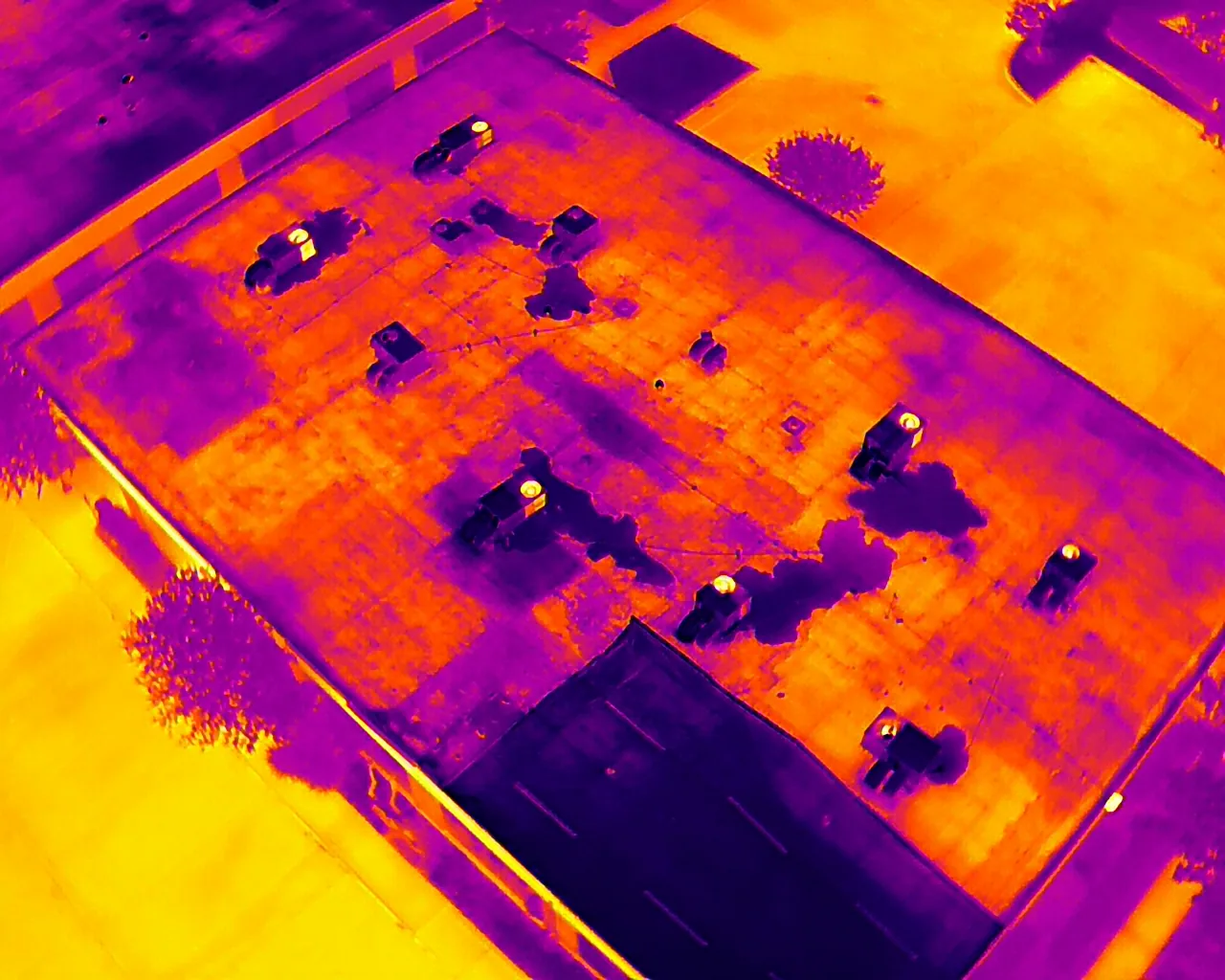
The existing roof must pass four checks before acrylic is specified: dry insulation, sound attachment, a surface that accepts a bond, and drainage that does not hold water for days. Cores and moisture mapping answer the first two. An infrared moisture survey can map wet areas over a large roof, and a test patch with a pull test answers the third. The drainage record answers the last.
Where tests show wet insulation or failed attachment, we recommend repair or replacement before coating. Where they show a sound roof with surface wear, we write the preparation scope: cleaning, repair of splits and blisters, seam reinforcement and priming. Each step goes into the register with a photograph, so the next owner knows what lies beneath the film.
Seams and penetrations receive extra attention because that is where an elastomeric film is most stressed. Reinforcing fabric is embedded in the base coat at laps, curb corners and pipe bases, and the finished detail is photographed before the finish coat covers it. Metal roofs add a rust-treatment step, and modified bitumen roofs add a check for oil bleed that can interfere with adhesion.
Acrylic, silicone or a new membrane
An owner has three paths for an aging roof that is still dry. Acrylic is the least expensive and suits sloped, well-drained surfaces. Silicone coatings cost more and tolerate ponding. A new membrane such as EPDM or TPO resets the roof and improves insulation, but it carries the largest first cost and the most disruption.
The comparison is made on the capital year, not on the first invoice. A coating that is renewed on schedule can extend a roof through several reserve cycles; a coating that is neglected leaves the roof with both the old membrane problems and a layer of failing film. Our roof coating restoration proposals show both paths side by side, with the recoat interval stated in the register.
Warranty terms differ by product and by substrate, so the register keeps the coating data sheet, the batch information and the maintenance obligations together. A coating warranty usually depends on the recoat schedule being met and on the substrate staying dry, and an owner who misses either may lose coverage. The capital plan should carry the recoat as a recurring line, not a surprise.
More About Acrylic Roof Coatings in Olathe, KS
Application sequence and access
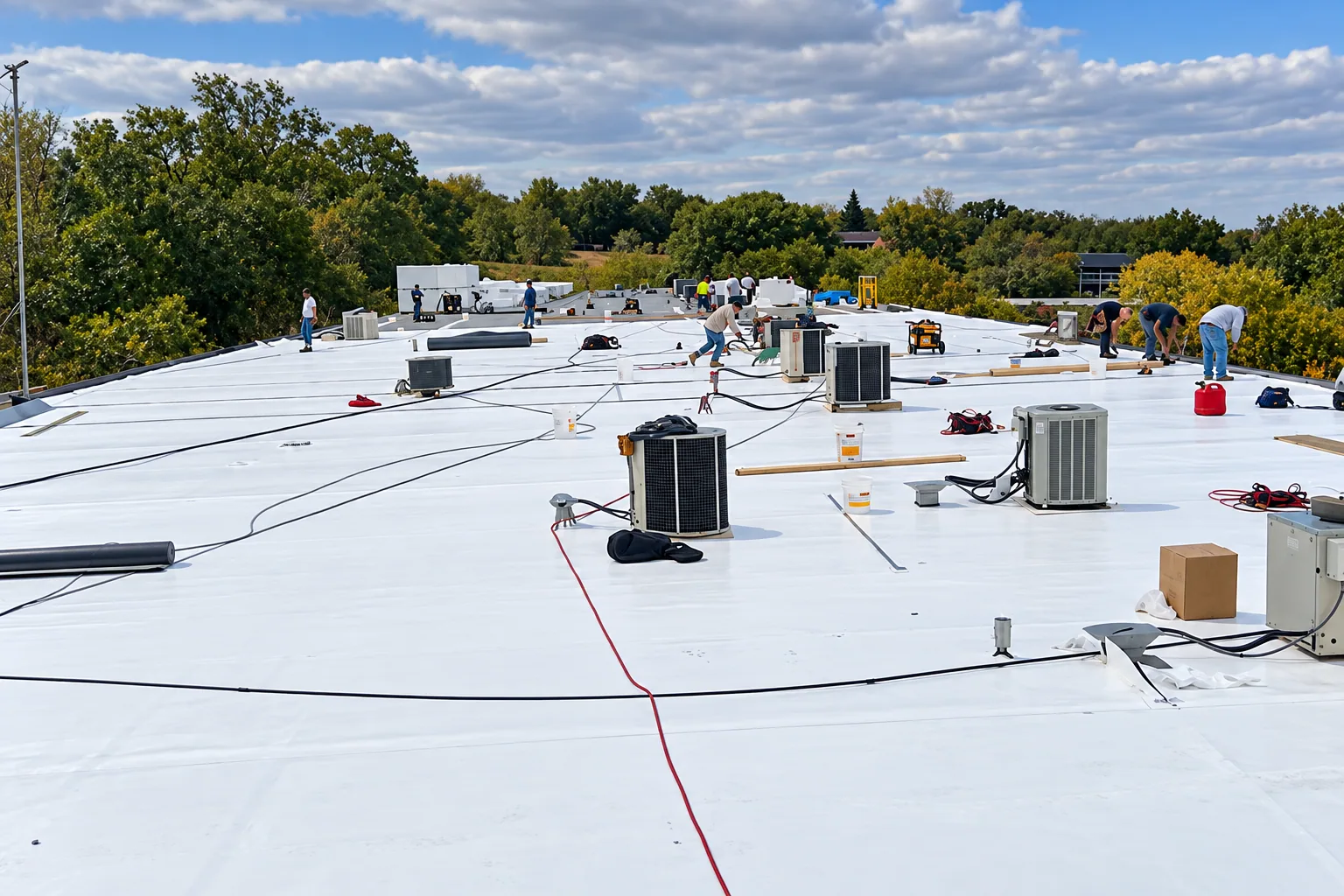
The crew cleans, repairs, primes and coats in that order, and each stage has a cure or dry time. Weather can stop the work at any point, so the schedule includes float. We protect air intakes, parked vehicles, glazing and walkways from overspray and track, and we mark wet coating areas so other trades do not walk them.
In the large industrial developments of southern Olathe, where the city's economic plan names Lineage Logistics, FedEx and the Lone Elm and 56 Commerce Centers, truck traffic, dock operations and tenant hours would set the application sequence on any coating job. The code frame in the city's transition notice is the 2018 International Building Code and Energy Conservation Code effective September 1, 2019, and each project confirms the applicable edition and amendments with the city.
Close-out records are short but useful: the product and batch information, the measured thickness at sample points, the weather during application and the date of the next inspection. When the recoat interval arrives, the owner has a basis for deciding whether to wash and recoat, repair first or move into renewal.
Commercial Roofing Questions
What decides acrylic over silicone?
Drainage. A roof that sheds water within a day or two suits acrylic. A roof with chronic ponding suits silicone, or a drainage correction followed by acrylic.
How many coats are applied?
The scope states the number and the thickness. Typically a base coat and one or two finish coats are applied, with reinforcement at seams and penetrations.
Can acrylic be applied over foam?
Yes, acrylic is a common topcoat over sprayed foam. The foam must be dry and clean, and the coating thickness is part of the foam system's maintenance plan.
What happens if rain arrives mid-application?
We stop, protect the area and inspect it afterward. Coating that has been washed or damaged is removed and reapplied, and the event is noted in the daily record.
Does hail require a new coating?
Not necessarily. After a reported event we inspect, patch the breaks and decide whether the film still protects the substrate. A recoat is considered when damage is widespread.
Send the drainage notes, moisture data and the recoat window
Share prior reports, storm history and the capital year under review. We will test the substrate and write a scope that compares acrylic with the alternatives.