Silicone Roof Coatings in Olathe, KS
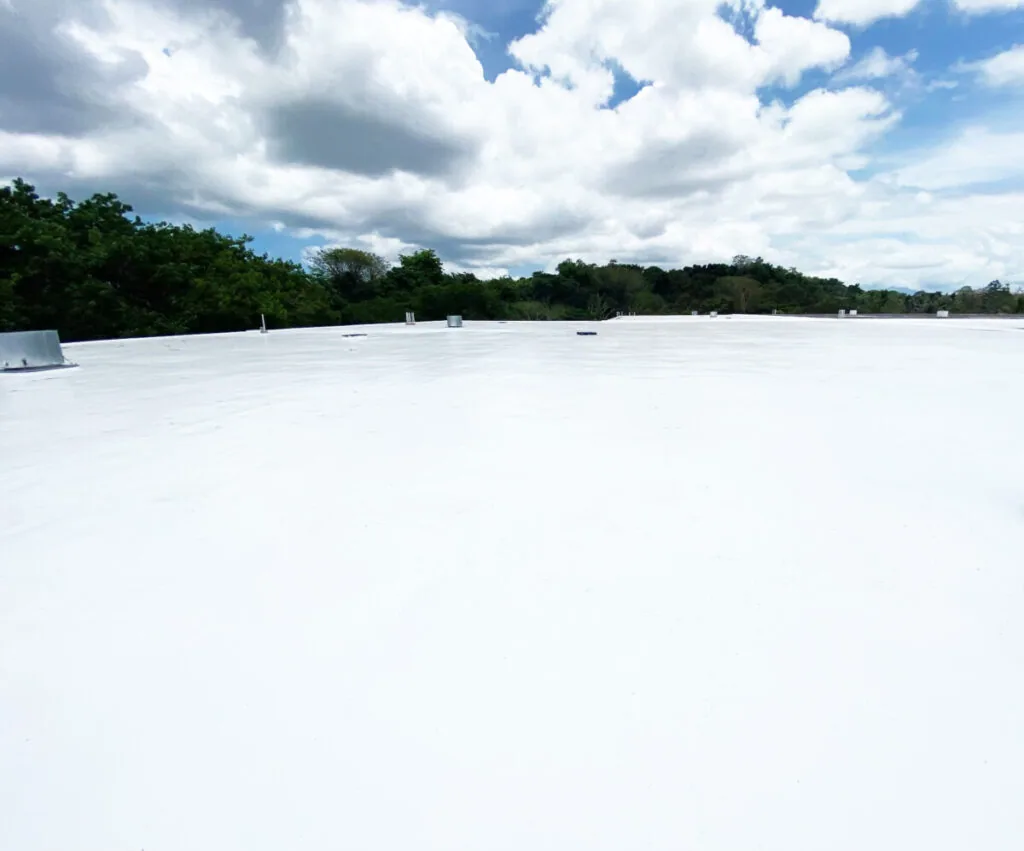
Silicone enters a roofing plan at the moment an owner has a roof that holds water in the low spots, has a membrane near the end of its useful life and has insulation that is still dry. The coating is a liquid-applied silicone polymer that cures to a flexible, UV-stable film, and it tolerates standing water better than most alternatives. For an owner in Olathe, KS the airport-station normals add up to 37.54 inches of precipitation, a 29.8°F January mean and about 110 freezing days a year, so ponded areas are exposed to rain and to freeze-thaw. The register has to show that the substrate is dry, that the old membrane will accept a bond and that the drainage is understood. Without those three, a coating becomes a layer on top of an unsolved problem.
Send the core results, moisture data and the capital year
Share any prior reports, drainage notes and the replacement window under review. We will test the substrate and prepare a scope that compares restoration with renewal.
Where silicone fits in the replacement window
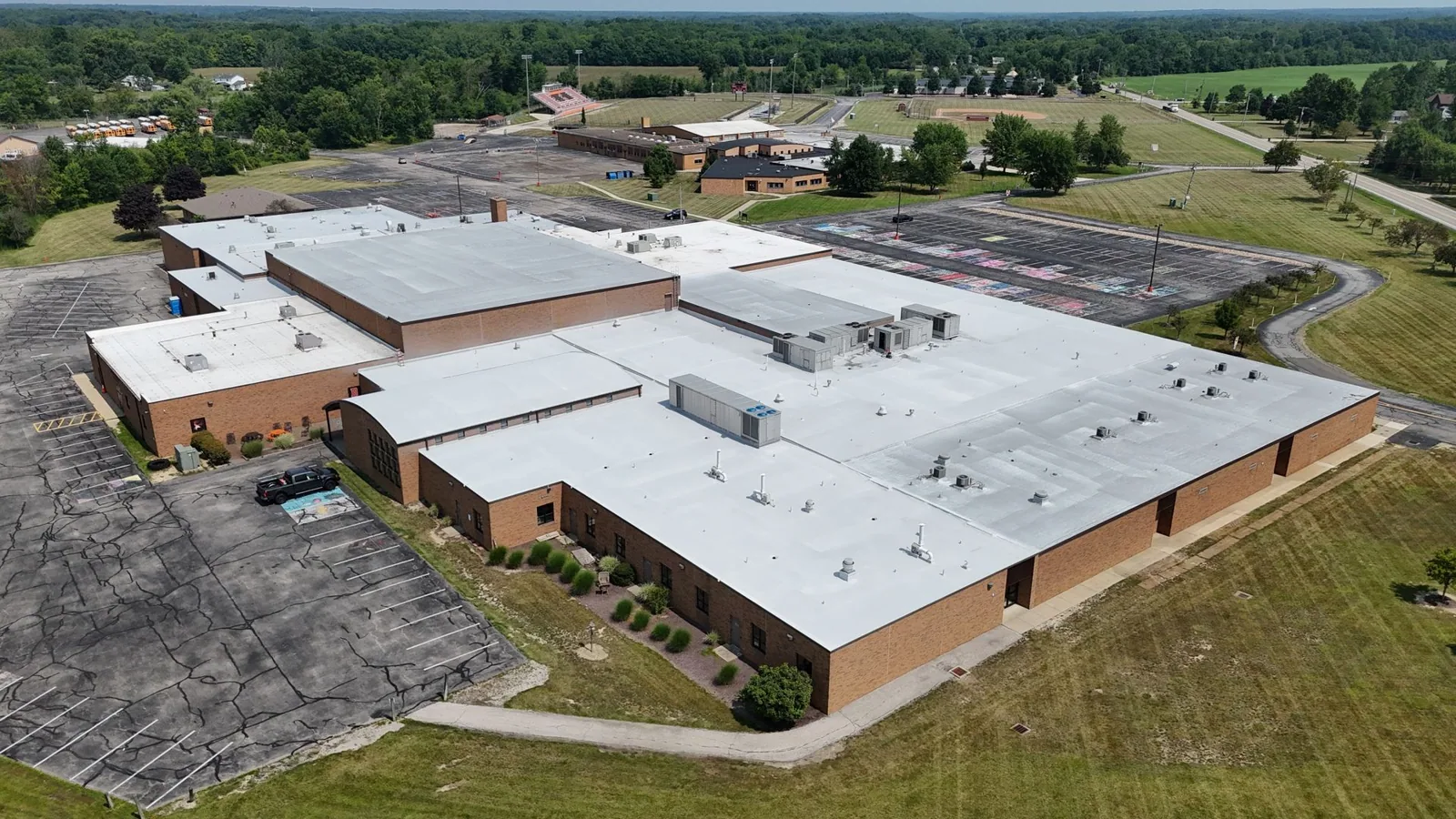
Silicone is a restoration choice, so it competes with replacement for the same capital year. It fits a roof whose insulation is dry, whose membrane is sound enough to bond, and whose problems lie in seams, flashing and surface wear. It also fits roofs where tear-off is hard to justify, such as buildings with sensitive operations below, large areas with limited access or tenants who cannot tolerate disruption.
It does not fit a roof with wet insulation, blistering across the field, or a membrane that has lost adhesion to the deck. Coating over those conditions traps moisture and brings the failure back at a higher price. The decision rests on cores, moisture mapping and an adhesion test patch. Our roof coating restoration work starts with those tests so that the bid basis reflects the actual substrate.
Reflectivity is a secondary benefit, not the reason to coat. A light-colored silicone surface reduces heat gain in July, when average daily highs reach 89.4°F at the airport station, but the energy effect depends on the building, the insulation below and the color retained after dirt collects. Silicone also attracts dirt more than some coatings, and a cleaning interval keeps the surface light.
Preparation decides the result
Most coating failures trace back to preparation, not to the coating. The surface must be clean, dry and free of oils, mildew and loose material. Power washing, detergent cleaning, repair of splits and blisters, and treatment of rust on metal all come first. Seams are reinforced with fabric and sealant, and penetrations are detailed with a fabric-reinforced base coat.
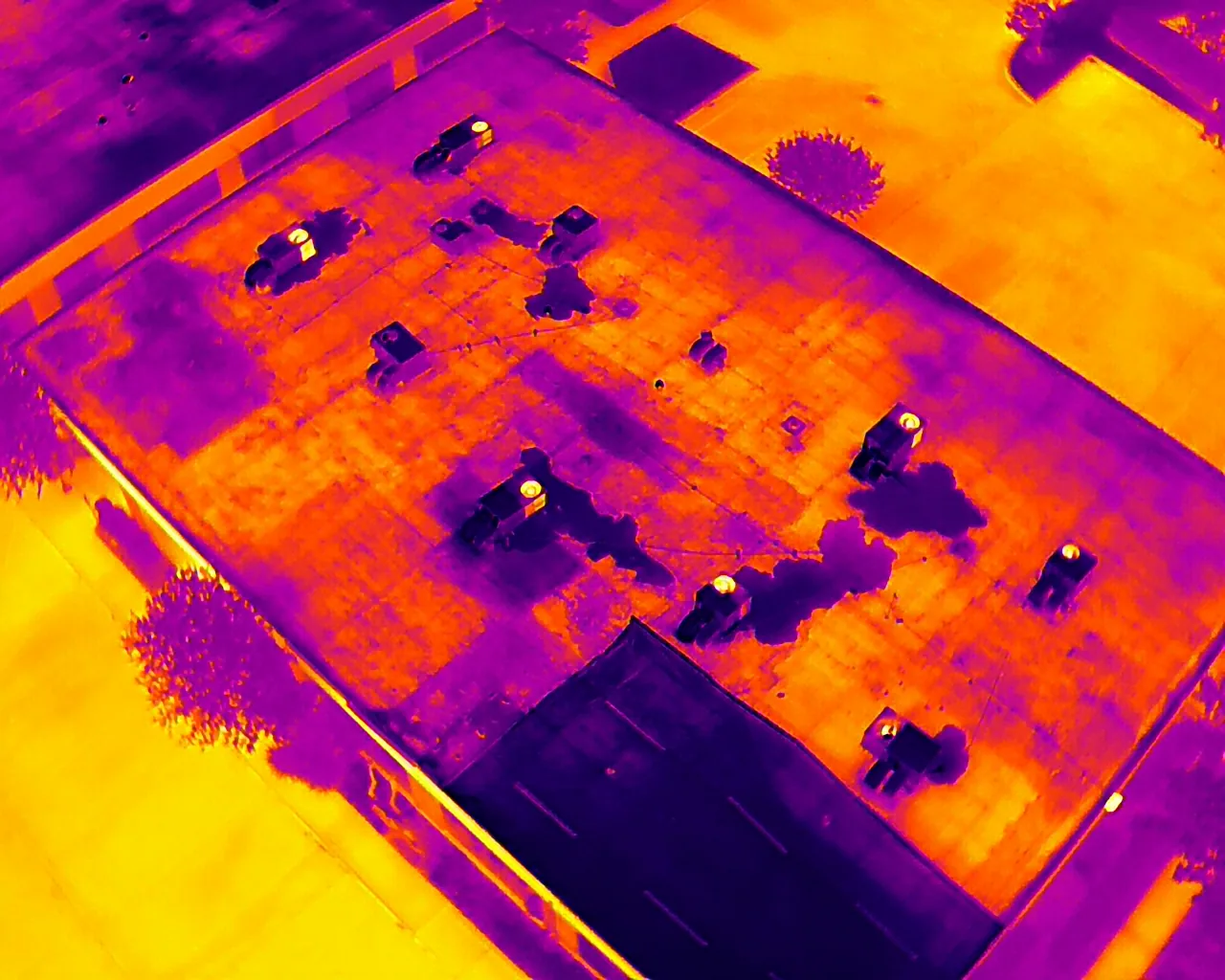
Silicone has a specific compatibility issue: very little sticks to it once it has cured, so any future repair must use silicone, and the original substrate must be tested for adhesion before the full coat is applied. We apply a test patch, allow it to cure and run a pull test, and the results go into the register. Where a primer is required, we state which one. The inspection data includes an infrared moisture survey for suspected wet insulation under the existing membrane.
Metal and modified bitumen substrates need their own preparation. On metal, rust is wire-brushed or treated and fasteners are re-set and sealed before the coating. On modified bitumen, granule loss and bleed-through are checked because oils in the asphalt can stain or interfere with adhesion. Every substrate type goes into the register with the test result, so the file explains why a given primer was chosen.

Ponding, thermal range and hail
Ponding is the usual reason an owner in this climate asks about silicone. Water that stands for days can swell acrylic films and shorten the life of many membranes, but a cured silicone film is built to remain intact when wet. That tolerance does not remove the cause. A low area is still a drainage problem, and the drainage record should show whether the answer is a new drain, a tapered insulation repair, a cricket or acceptance of the pond. Across roughly 110 freezing days, ice in a pond can add weight and stress the substrate.
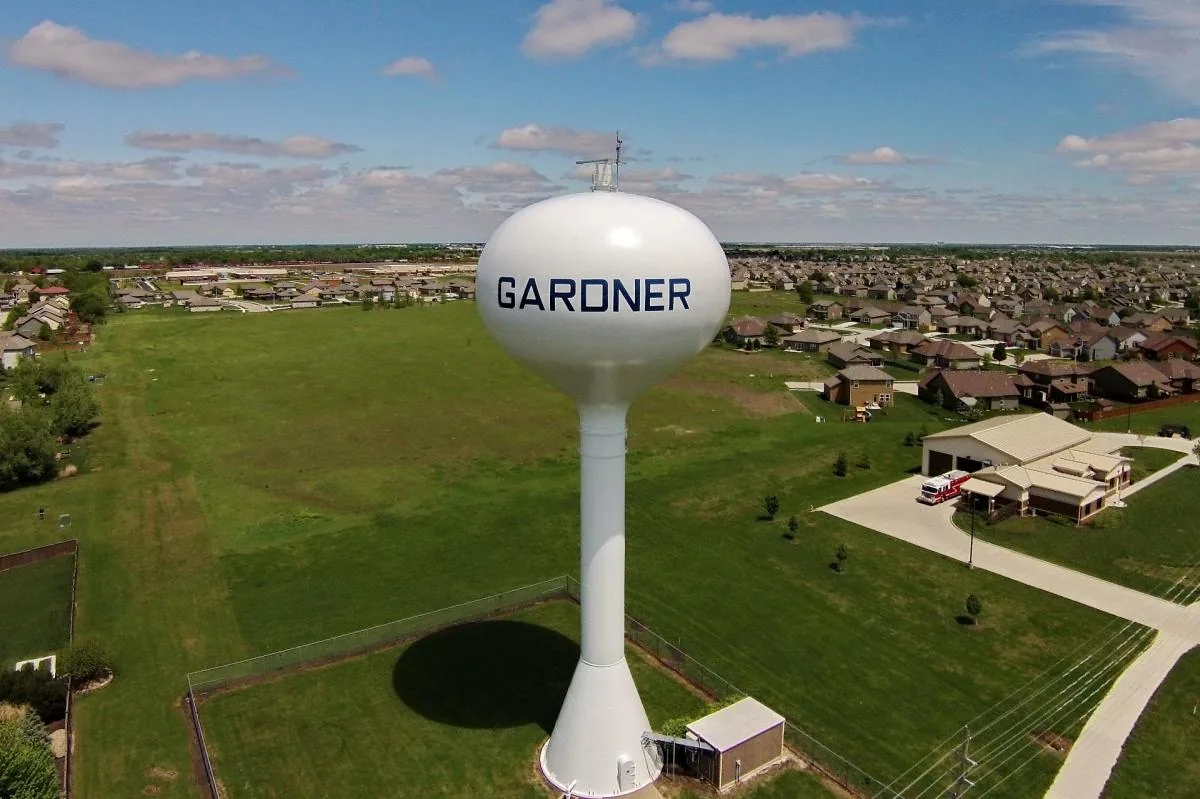
Hail rides along with the area's severe thunderstorms. A silicone film can be bruised or cracked by impact, and a breach in the coating leaves the substrate exposed, so we inspect after a reported storm and repair the coating with the same silicone. The May 19, 2024 wind track between Gardner and Olathe, with gusts estimated near 80 mph, calls for an edge and flashing inspection on any coated roof in that area, since a coating cannot add attachment strength to a lifted membrane.
Coat, or move to a new membrane
A silicone coating adds years to a suitable roof, but it does not add insulation, correct slope or repair a failed deck. An owner who also needs better thermal performance should consider replacement with new insulation, perhaps using TPO or PVC, and then maintain it with a future coating. The two can be sequenced: coat now to defer, replace in the next capital year.
The dry-film thickness is the number to check in any coating bid. Thin coats look like savings and wear out early. We state the thickness, the number of coats, the primer and the reinforcement, so an owner can compare a restoration proposal with a replacement proposal fairly. Owners comparing coatings also look at acrylic roof coatings, which cost less and suit sloped, well-drained roofs.
More About Silicone Roof Coatings in Olathe, KS
Cure windows, dew and the application calendar
Silicone cures by reacting with moisture in the air, so it tolerates humidity better than many coatings, but it still needs a clean, dry surface at application and no rain until it has skinned over. Dew in the morning and cool nights can delay work, and cold temperatures slow the cure. Most coating work in this area falls between spring and early fall, and a reserve plan that sets the recoat in late summer gives the film time to cure before freeze days return.
Overspray and slick surfaces are part of the safety plan. The crew masks air intakes, protects vehicles and walkways, and lays out a clean route for foot traffic. For larger commercial settings, such as the southern Olathe industrial developments the city's economic plan describes, truck traffic and tenant hours would set the pace. Permit questions run through the 2018 International code set that Olathe adopted in September 2019, with the edition for a project confirmed by the city.
After application, the film needs protection from foot traffic until it has cured, and a walk-through after the first heavy rain confirms that seams, laps and drains perform as designed. We photograph the finished roof, record the measured thickness at sample points and set the next inspection date. That record is the owner's proof of what was applied, and it supports a recoat decision years later.
Owners with buildings in both Overland Park and Olathe can sequence coating days across the two cities, keeping each roof's thickness record separate.
Commercial Roofing Questions
What decides whether a roof can take a silicone coating?
Dry insulation, a membrane or metal substrate that passes an adhesion test, and a drainage condition the owner accepts. Cores and a test patch settle it.
Can another coating be applied over silicone later?
Generally not. Few materials bond to cured silicone, so the future maintenance path is another silicone coat. Owners should treat the choice as a long-term one.
Does silicone fix a ponding roof?
It tolerates standing water, but it does not remove it. If depth or duration is a concern for the structure, we correct drainage as a separate scope line.
How does hail affect a silicone coating?
Impact can crack or bruise the film. After a reported storm we inspect for breaks, patch them with matching silicone and keep the photographs with the roof record.
Does the 2024 wind event make coating riskier?
For a roof in the reported Gardner-to-Olathe path, the substrate edges and flashings should be inspected before coating. If the membrane has lifted, the coating cannot hold it down.
Send the core results, moisture data and the capital year
Share any prior reports, drainage notes and the replacement window under review. We will test the substrate and prepare a scope that compares restoration with renewal.