
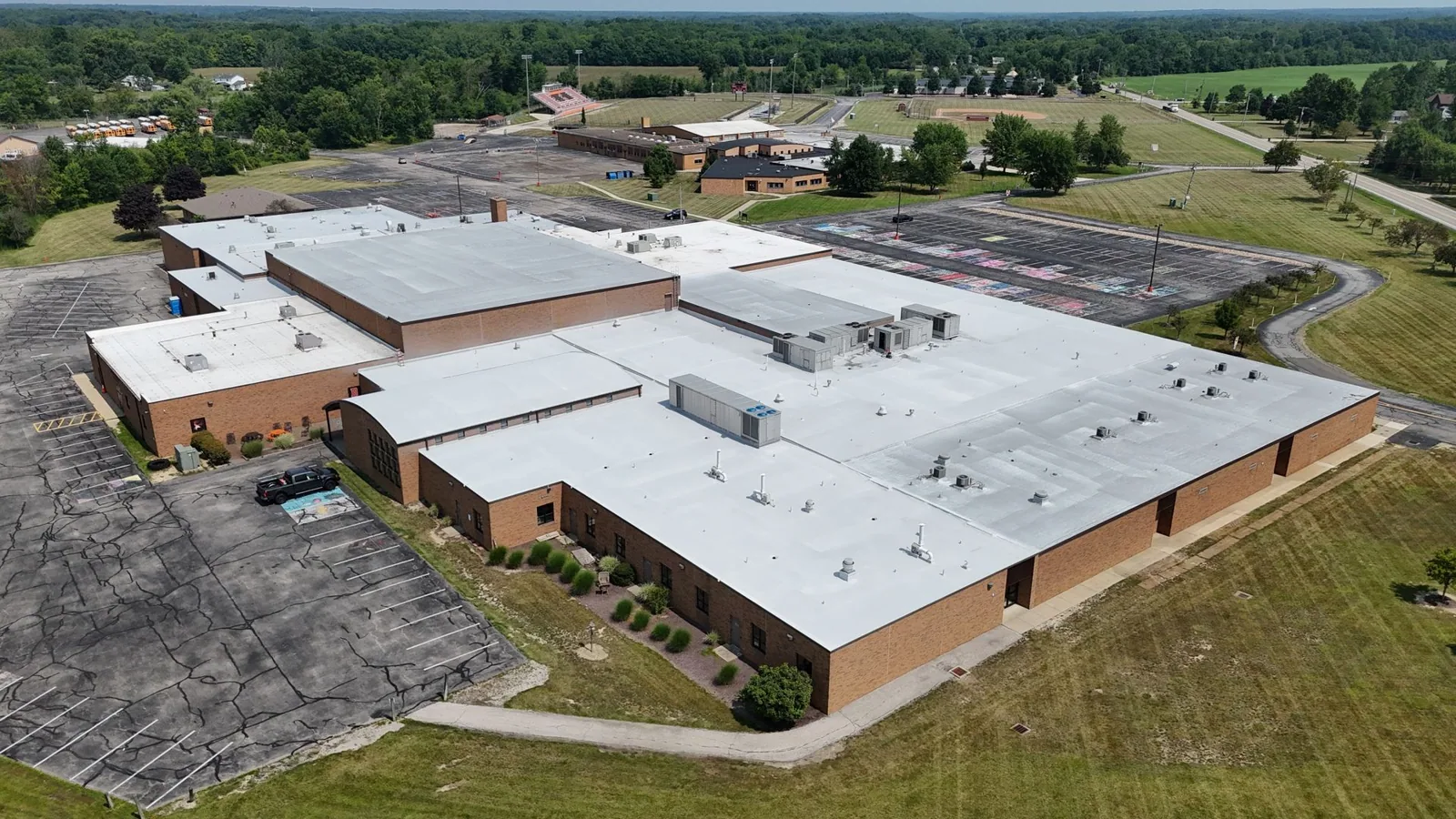
Commercial Roof Coating in Olathe, KS
A coating decision belongs in the replacement window only after the existing roof can support another service layer. In Olathe, regional severe-thunderstorm climatology includes hail, which makes impact damage and substrate soundness the first two questions for a coating candidate. We inspect the membrane, seams, penetrations, drainage, and prior repairs, then mark where preparation, reinforcement, testing, or replacement may be needed. The owner receives a bid basis tied to field condition rather than a coating allowance applied across the property list.
Price the roof that is eligible for restoration
Share the roof-area register, prior reports, storm or leak history, decision date, and access contact. We can document substrate condition, separate coating work from repairs, and prepare a comparison with a renewal option.
Confirm the existing roof can carry the scope
A coating works only when the underlying assembly is stable enough to accept preparation and bonding. We look for loose or wet material, failed seams, trapped moisture, ponding, open penetrations, and areas where earlier patches have separated. If the field is broadly sound, localized repair and surface preparation may establish a viable base. If the substrate is compromised or moisture is confirmed, coating over it can preserve the defect instead of correcting it, so the report distinguishes eligible areas from sections needing removal or testing.
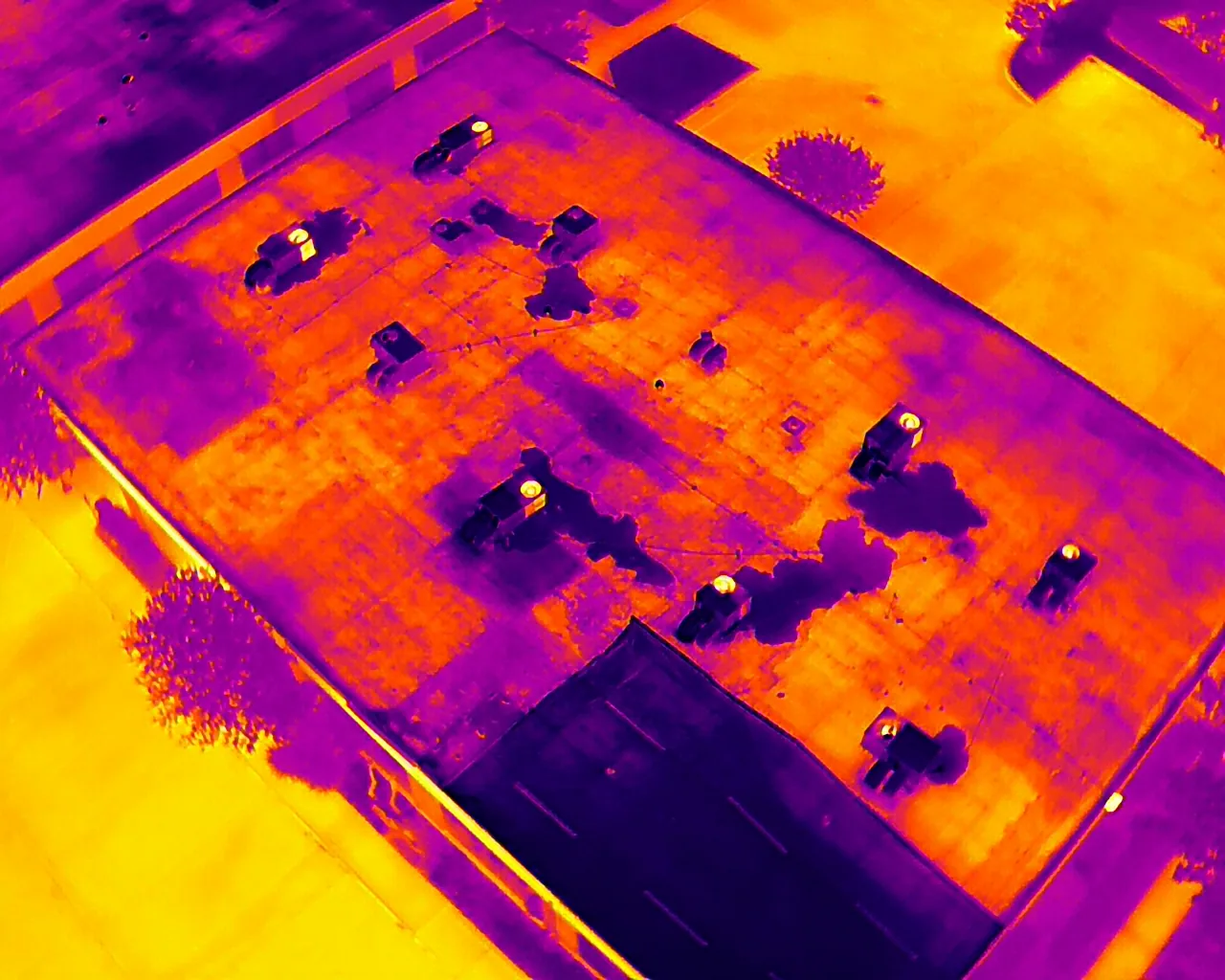
For a property manager comparing a coating with a full replacement scope, the roof-area map should list confirmed repairs, exclusions, and assumptions separately. An inspection with photographs can establish that baseline, while a moisture survey may help target areas for verification when conditions support the method.
Connect local conditions to the inspection record
The National Weather Service includes hail in Kansas City-area severe-thunderstorm climatology. Hail size and exposure at a given roof are judged from the event and the visible evidence. We record the date reported, affected roof sections, dents or fractures observed, and whether a membrane or metal component needs closer review. If a coating is being considered after a storm, keep the impact assessment distinct from the restoration scope so an allowance does not hide a separate repair decision.
Olathe's economic-development plan describes large industrial development in the south of the city, including Lone Elm Commerce Center and 56 Commerce Center. Industrial buildings of that kind tend to have different drainage paths, expansion joints, and equipment curbs from an office building. We map coating eligibility by assembly and roof area, then carry the same condition record into the photo-backed report used for bid comparison.

Define preparation before selecting a coating
Preparation can include cleaning, removing loose coating, repairing seams, reinforcing transitions, and priming surfaces where the specified system requires it. The exact sequence depends on the existing membrane and the coating chemistry. We identify test areas, compatibility questions, and weather limits before production begins. An adhesion test on representative areas can help confirm compatibility before broad application. We record its location, the substrate present, and the observed result, then use that evidence to finalize preparation. A passing test does not establish that every roof section has the same substrate, so transitions and older repairs still need review. The owner can see whether field checks support the selected coating or whether the scope remains conditional on additional opening. The scope also states how drains, curbs, walls, and terminations will be handled, since a broad field application cannot correct a failed detail without a separate repair.
On an occupied Olathe building, staging and access affect how much roof can be prepared during a work window. The plan sets protection for rooftop equipment and considers loading, tenant routes, and areas where odors or noise may affect operations. If a coating requires dry conditions or a temperature window, the schedule should preserve a fallback sequence rather than promise a finish date detached from the actual forecast.
Treat outlets and transitions as separate scope lines
Water that remains at a low area can expose the limits of a restoration approach. We review the route to each drain or scupper, note obstructions and settled sections, and identify whether slope correction, added crickets, or outlet work belongs in the bid. A drainage correction may need to precede the coating. Edge metal, curbs, skylights, and wall flashings receive their own preparation and reinforcement details, with quantities tied to the roof-area record.
Coating thickness, fabric reinforcement, and termination methods must follow the selected system and substrate. We document the approved product type and application requirements. During work, photographs at repairs, transitions, and completed areas let the owner compare the installed scope with the bid basis. The closeout preserves exclusions and field changes so the next inspection can tell what was restored and what remains original.
More About Commercial Roof Coating in Olathe, KS
Compare restoration with a renewal alternative
The decision is not coating versus replacement in the abstract. Compare preparation, confirmed repairs, moisture findings, drainage changes, access, and expected disruption for the actual roof areas. A capital planning review can separate the restoration base from testing or deck allowances. Keep any replacement alternative under the same scope version, with conditions that could change the recommendation stated clearly. That gives the asset manager a defensible reserve plan rather than a single number built on untested assumptions.
For owners comparing properties in Olathe, Lenexa and De Soto, work can be coordinated by municipality, and each roof keeps its own eligibility decision. If one building has a sound field and another has concealed moisture, the portfolio sequence should reflect that difference. The next inspection interval can then focus on repaired transitions, drainage performance, and areas where the restoration decision depended on a test.
Closeout matters as much as application. The final record lists the product family, the number of coats, the measured film thickness at sample points, the repaired details and the areas excluded, with dated photographs. That record is what lets the next inspection tell coating wear from a new defect, and it sets the recoat date on the calendar before the film has aged out. An owner who keeps it can show a lender or buyer exactly what was restored and what remains original.
Commercial Roofing Questions
What makes an existing roof a candidate for coating?
The substrate needs to be stable, sufficiently dry, and compatible with the selected coating after required preparation. We inspect seams, penetrations, drains, prior repairs, and suspect areas, then state which portions qualify and which need repair, testing, or removal. A coating bid should identify these boundaries instead of assuming every roof area can receive the same treatment.
Will a coating correct ponding water?
A coating can protect a prepared surface, but it does not create reliable slope by itself. We map the low area and outlet path, then price drainage corrections separately when crickets, slope work, or drain changes are indicated. The owner can compare the added work with replacement options before approving a restoration scope that leaves standing water unresolved.
How does hail affect a restoration decision in Olathe?
Kansas City-area climatology includes hail, so a reported event can prompt a roof review, but it cannot substitute for an inspection of the building. We document the event date supplied, visible impact evidence, and any area that needs testing. If the substrate or membrane is damaged, the repair scope remains separate from coating eligibility and insurance documentation.
What should the coating proposal list before work begins?
It should identify the existing assembly, preparation, repairs, test areas, product type, transitions, drainage work, exclusions, weather limits, and closeout photographs. We also note access restrictions and the contact authorized to approve a field change. That gives the owner a comparison basis and reduces the chance that concealed conditions are treated as included without review.
Can a coated roof stay in service during application?
Work can often be sequenced around building operations, but access, odor controls, weather, staging, and protection needs set the practical limits. We agree on work zones and tenant routes before mobilization, then record areas closed or deferred. The schedule should leave room to protect open sections if conditions change before the coating cures.


Price the roof that is eligible for restoration
Share the roof-area register, prior reports, storm or leak history, decision date, and access contact. We can document substrate condition, separate coating work from repairs, and prepare a comparison with a renewal option.
