
Hospital Roofing in Olathe, KS
A hospital roof is never one decision. It is a set of roof areas that often differ in age and system, and each area serves rooms with different tolerances for water, dust and noise. The capital year for the oldest wing is rarely the capital year for the newest tower, and a facilities director who plans them together on a single date will either spend too early or be forced into emergency work. We start a hospital assessment by building a roof-area register that treats each section as its own asset, then ranks them by condition, consequence and access.
Census QuickFacts puts Olathe's 2022 healthcare and social-assistance receipts at $877.395 million, and care buildings are among the few that cannot close for a roof.
Send the campus roof map and access rules
Share the roof sections by age and system, past surveys, leak logs, infection-control requirements and the escort procedure. We will rank every section by condition and consequence and return a written plan that keeps current repairs distinct from capital assumptions.
Section-by-section field condition
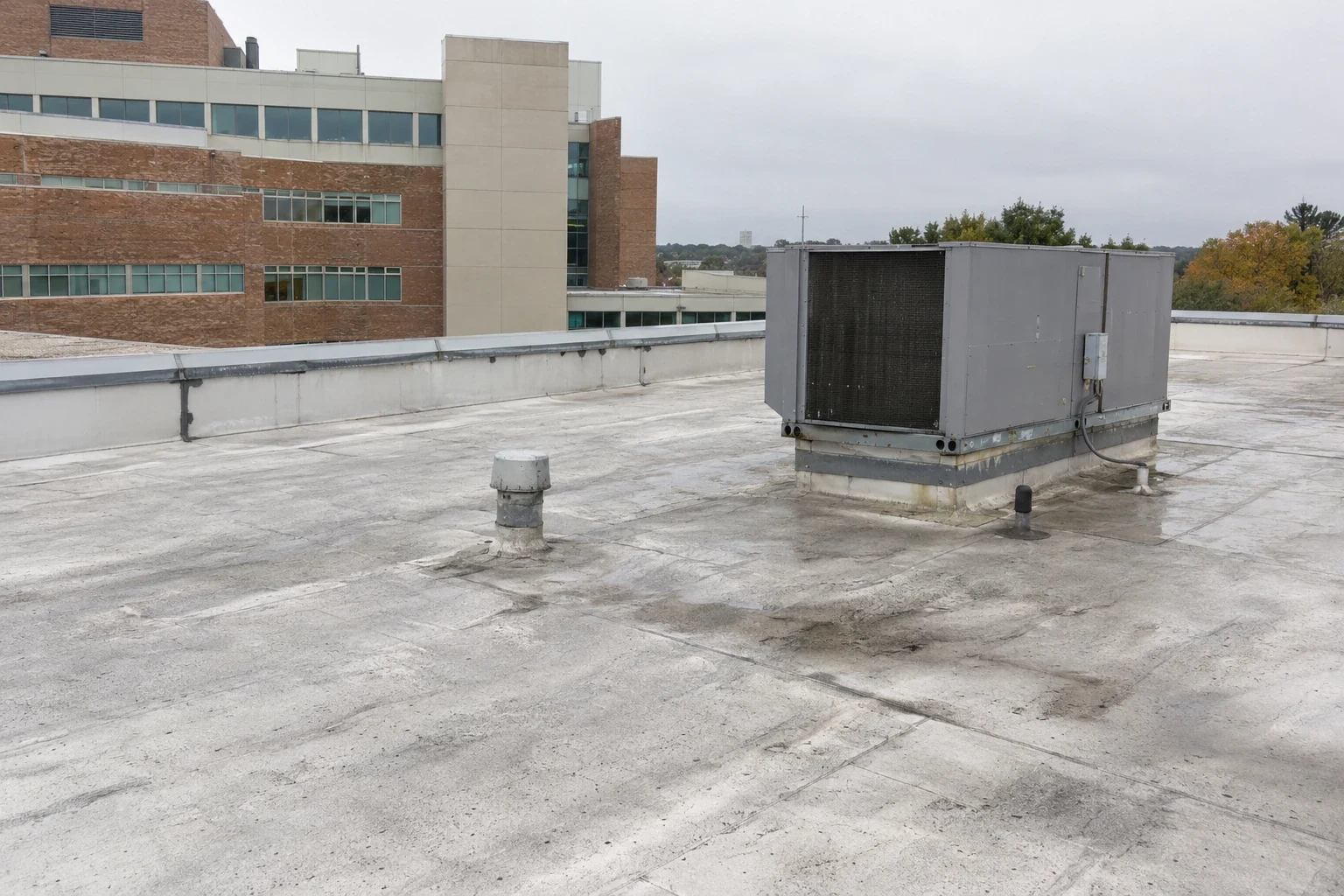
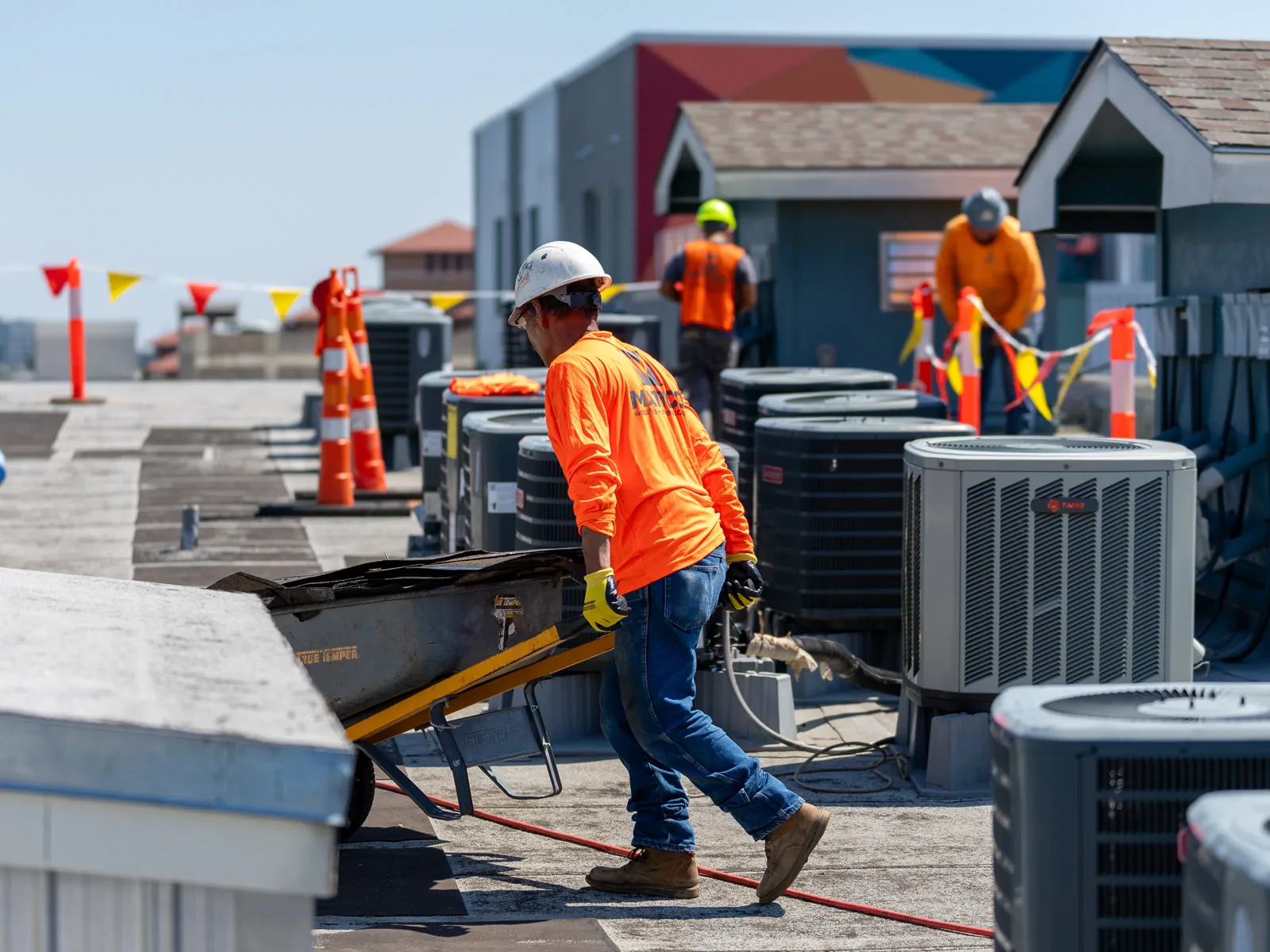
Different roof areas on a healthcare campus often carry different systems: a modified bitumen roof on one wing, a single-ply on a later addition, a section of metal over a mechanical penthouse. We identify each system, record seam and flashing condition, and note how each section drains. Penetrations for medical gas, exhaust, generators, helipad support and communications are inspected one by one.
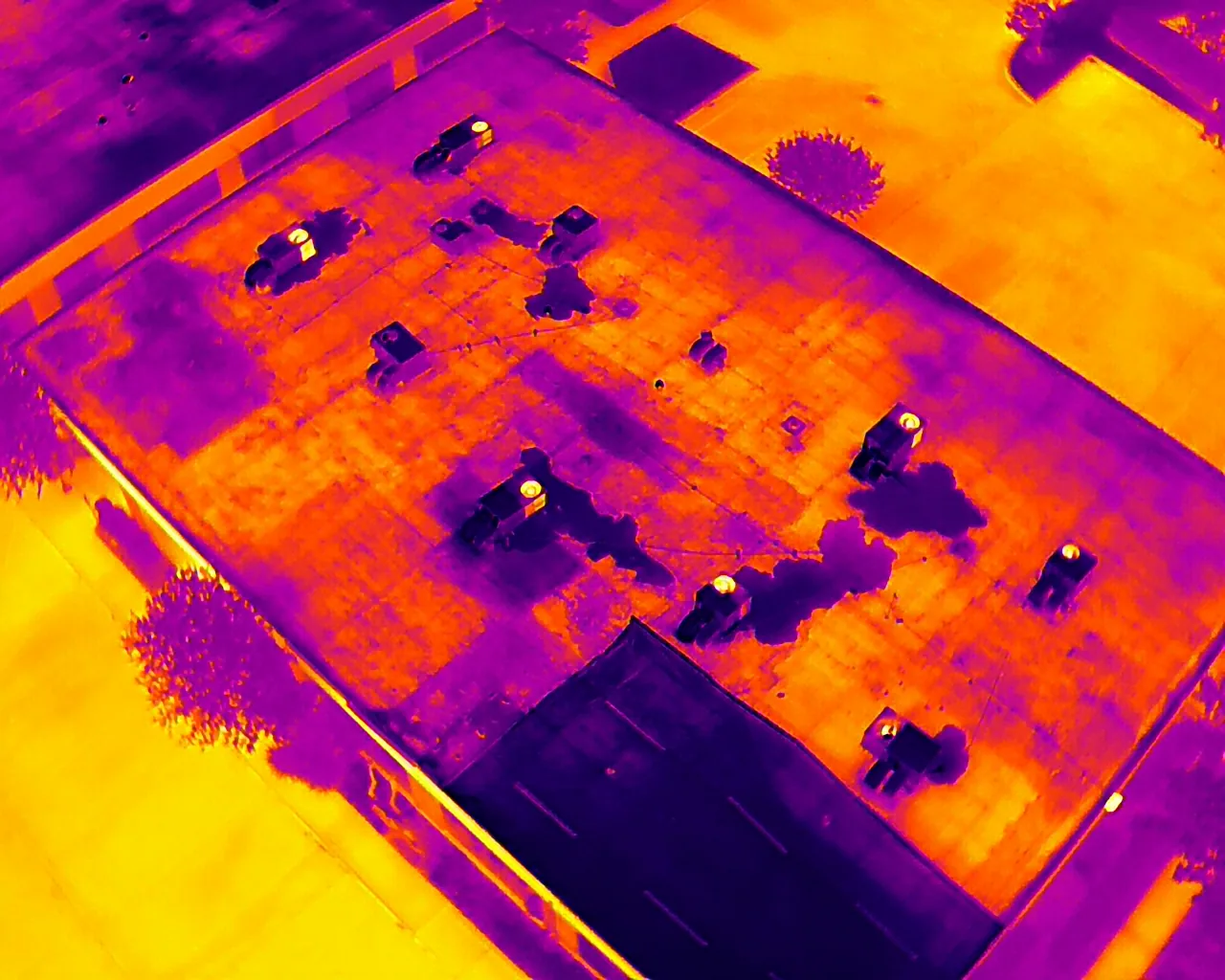
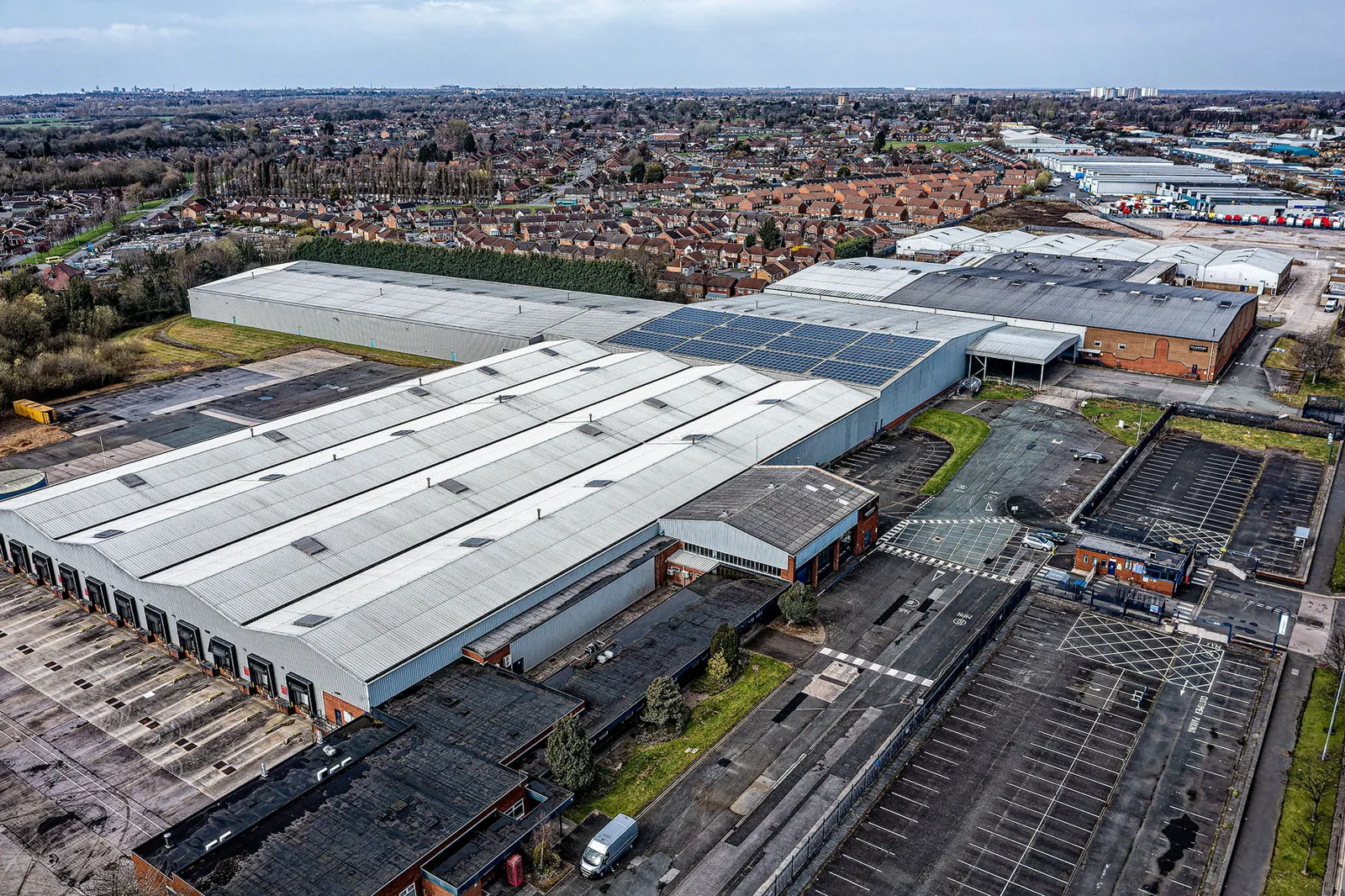
An infrared moisture survey across every section gives the facilities team a map of wet insulation before it shows up in a ceiling. A drone inspection speeds coverage on large or hard-to-reach areas, and hands-on testing confirms what imagery cannot. Each finding goes into the register with its room and consequence, so the highest-risk areas rise to the top of the list.
Where a section is past repair, we say so and attach the evidence: wet cores, widespread seam failure or a membrane that has lost its surface. Where a section has years left, we say that too, and we propose the maintenance that protects it.
Weather record and freeze-day exposure
Hospital roofs work through the whole year. In Olathe that means 37.54 inches of precipitation, freezing lows on 109.6 days, and a January-to-July swing from 29.8°F to 78.8°F. That is a long freeze-thaw season, and moisture that gets into an assembly in December can sit for weeks before it surfaces. A check of drains and flashings before the first hard freeze is the cheapest way to catch what winter would otherwise expose.
Straight-line wind surveyed at an estimated 80 mph on May 19, 2024 ran from Gardner into Olathe, and it is the dated storm that most clearly belongs in a campus plan. After such an event, we inspect edge metal, equipment screens, membrane attachment and rooftop units, and we document condition with photographs so the hospital has evidence for its insurer.

Decision summary for facilities and finance
Facilities directors and chief financial officers read the same roof differently. The director wants a dry building and a workable schedule. Finance wants a capital year, a reserve and a defensible basis for the number. A decision summary serves both: it lists the sections that need repair now, sections that can wait with a stated deadline, and sections that should enter the capital plan, each with a photograph and a location.
Replacement options are written as separate scope versions. A full replacement, a recover and a restoration each carry their own cost drivers, schedule and disruption. The summary states what evidence would shift a section from one option to another, which keeps the plan current as conditions change.
Phasing, infection control and life-safety access
Roofing on an operating hospital follows rules that other building types do not have. Infection-control risk assessments govern dust, fumes and debris; negative-pressure rooms and operating suites require special attention to air intakes; helipad and ambulance routes must stay open; and noisy work near patient rooms is scheduled with nursing and operations leaders. Our scope version records each of these conditions as part of the plan.
Work is staged by section, with temporary protection ready at the end of each shift. An occupied-building reroofing plan identifies hoisting zones away from entrances and sets debris paths that avoid patient routes. For each project the city is asked which amendments sit on top of the 2018 IBC and its existing-building and energy companions, all effective in Olathe since September 1, 2019.
More About Hospital Roofing in Olathe, KS
Campus planning across a health system
A healthcare system that owns hospitals, clinics and support buildings can organize its roofs in one register, with medical office buildings and senior living communities in the same file as the hospital. A shared format lets the capital committee compare roofs on condition and consequence, not on the loudest complaint.
For systems with facilities in Olathe and Kansas City, Kansas, a consistent inspection interval and a shared repair record give the finance team a view across the whole portfolio. A roof asset management program turns that view into a rolling capital plan.
Records that speed up a campus assessment
Bring the roof plan, a map of roof sections by age and system, past moisture surveys, leak logs maintained by facilities, repair invoices, warranty documents and the infection-control requirements for roof work. The access contact and the badging procedure matter as much as the drawings, since a well-run first visit depends on arriving with the right credentials and an escort. Where records are partial, we fill the gaps in the field.
Facilities staff often hold the most useful knowledge of all: which ceilings have stained before, which rooftop units have been serviced recently, and where water pools after a heavy storm. We walk the roof with that person when schedules allow, and we write the observations into the register so they survive staff changes. A register that outlasts the people who built it is what lets the next director pick up the plan without starting over.
Commercial Roofing Questions
Can a hospital roof be replaced in sections?
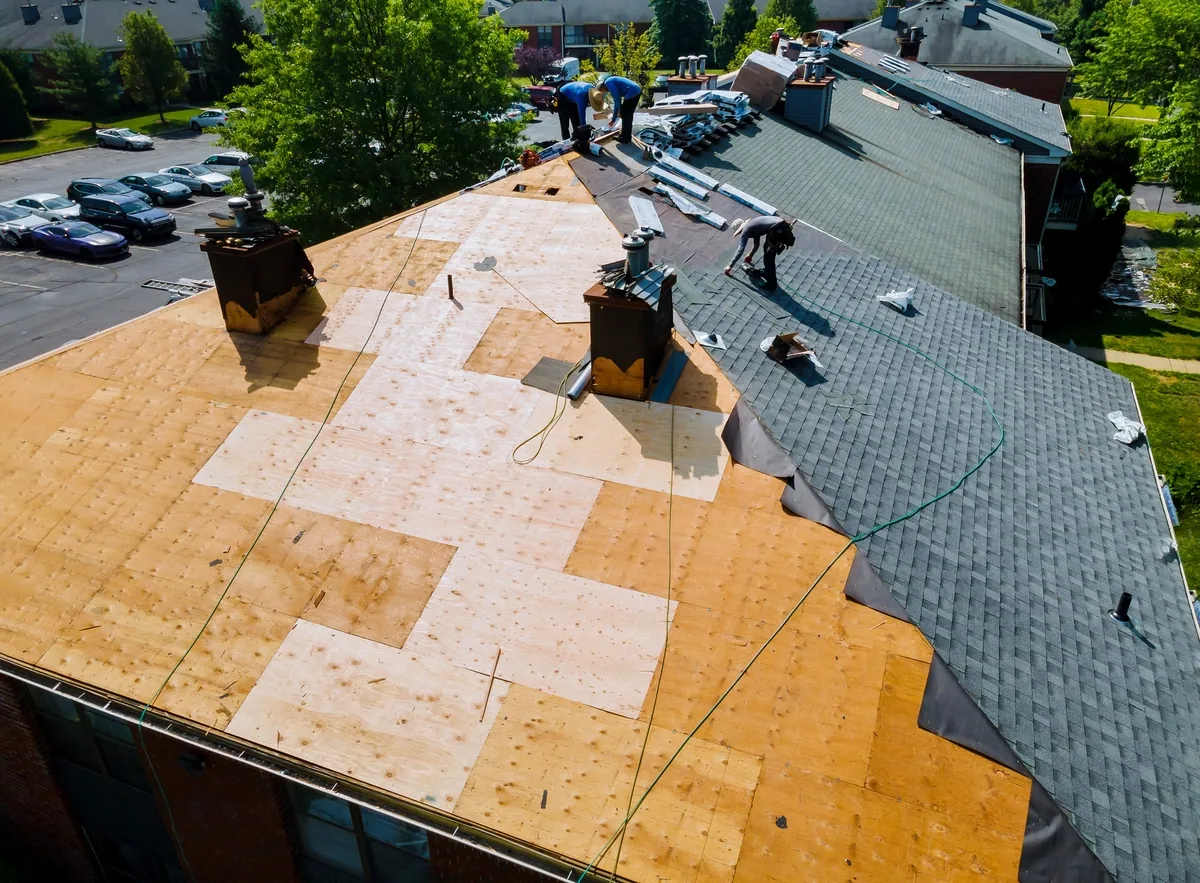
Yes, and it is usually the preferred approach. Sections are sequenced by condition and consequence, each made watertight before the next begins. Phasing also spreads cost over capital years and limits the area of the building exposed to work at any time.
How do infection-control rules shape roofing work?
They dictate dust and odor control, air intake protection, debris routes and sometimes work hours. The hospital's infection-control team sets the requirements, and we write them into the scope version so the crew follows the same plan each day.
What does a hospital owner need after a major wind event?
A prompt inspection with photographs of edge metal, rooftop equipment, membrane attachment and drains. The squall line of May 2024 that crossed Gardner and Olathe is why this inspection is worth doing. The written findings support insurance and give maintenance a work list.
Are leaks over operating rooms handled differently?
They get immediate attention. Temporary dry-in goes on first, then the source is traced and the permanent repair scheduled with the surgical calendar in mind. Interior cleanup follows the hospital's own protocols.
How is a hospital roof kept on schedule through winter?
Winter work is limited by temperature, since many adhesives and sealants have minimum application ranges. With 109.6 days a year at or below freezing in the Olathe normals, we plan major tear-off for warmer months and use winter for inspections, drain checks and temporary repairs.
Should a hospital keep a record of roof inspections?
A dated record tied to each roof section is worth keeping. It shows trends, supports warranty and insurance claims, and gives the capital plan a factual basis. A thin record that is kept up beats a thick one that stops.
Send the campus roof map and access rules
Share the roof sections by age and system, past surveys, leak logs, infection-control requirements and the escort procedure. We will rank every section by condition and consequence and return a written plan that keeps current repairs distinct from capital assumptions.
