Roofing for Insurance Adjusters and Restoration Contractors in Olathe, KS
An adjuster arriving after a storm needs a roof file that can answer three questions on the first visit: what was the roof's condition before the event, what did the event change, and what scope returns the building to that condition. In Olathe, KS the regional record gives the file a reference point, because a National Weather Service survey of the May 19, 2024 storm line followed straight-line wind damage from Gardner into Olathe and put the peak near 80 mph, and Kansas City area severe thunderstorm climatology includes hail. We prepare dated roof documentation that separates storm findings from age-related wear, so that the claim reflects what the event did and not what many winters did.
Send the loss date and the claim file
Share the date of loss, roof plans, prior inspection reports, photographs and the access contact. The storm findings we return keep event damage and age-related wear in separate columns.
Separating storm findings from wear
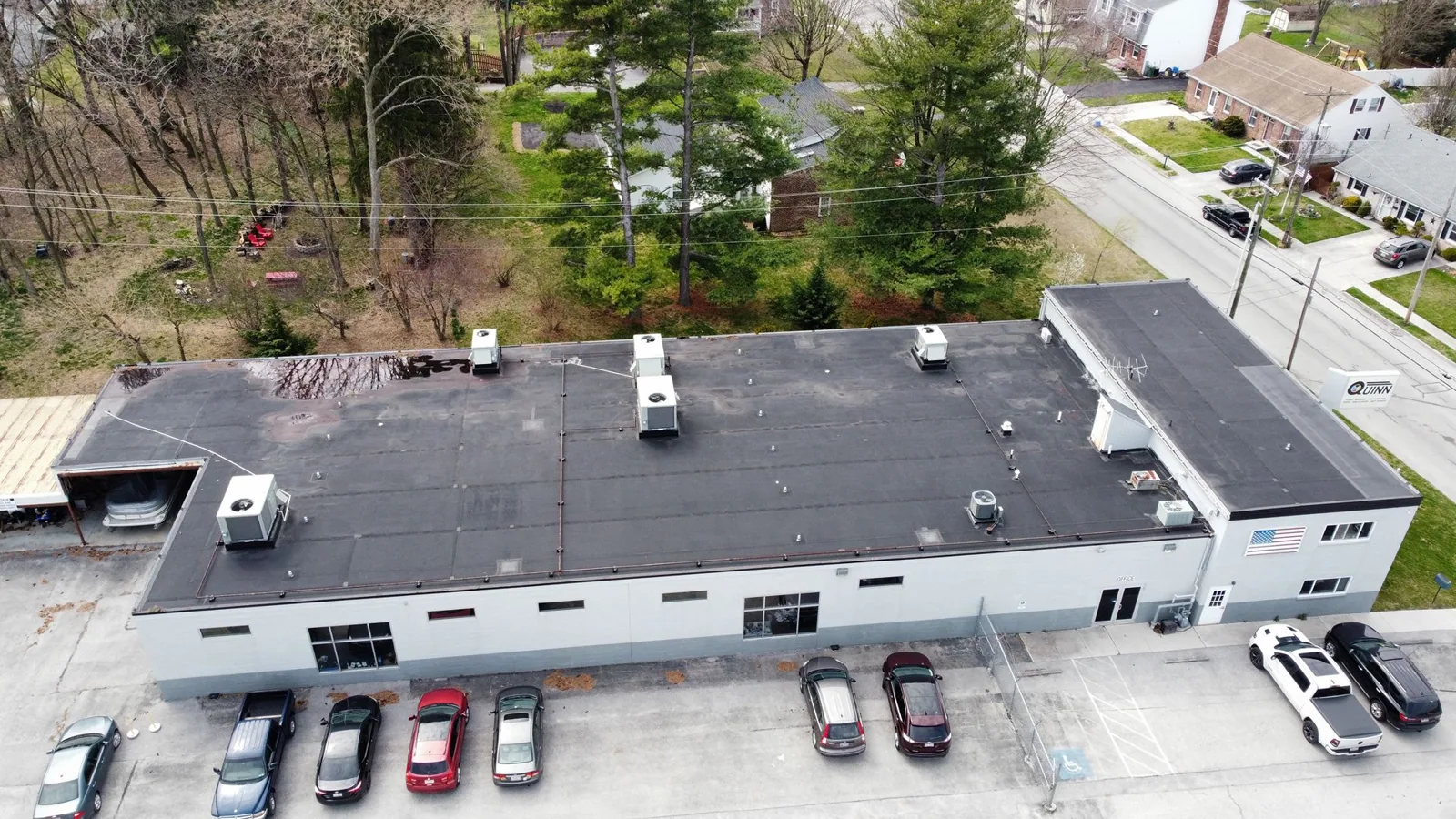
The hardest part of a commercial roof claim is attribution. A split seam might come from a hail impact, from a wind event, or from years of thermal movement, and the file has to say which evidence supports which conclusion. We record the location, size and pattern of each finding, note whether damage follows a direction consistent with the storm, and mark conditions that predate the event, such as old patches, ponding stains and corroded fasteners.
Where evidence is incomplete, we say so and name the test that would resolve it, such as an infrared scan for trapped moisture or a core sample for hidden damage. Observed condition and the repair estimate are kept apart, so the adjuster can verify the first before agreeing to the second. When the adjuster and the owner disagree on cause, the file lets both sides look at the same photographs, measurements and roof plan locations, which narrows the dispute to the specific items in question and not the whole roof.
Regional hazard record and dated events
The same event documentation notes several brief tornadoes elsewhere in Johnson County during the May 19, 2024 storm line, and a storm path reaches some buildings and passes others, so the file has to be specific to the building in front of the adjuster.
Hail is a regional hazard, and a roof that went through a hailstorm can look fine from the ground, so the response is an inspection based on the event and the damage observed. Olathe's climate adds the slower stresses a claim file has to tell apart from storm damage: a 29.8°F January average, a 78.8°F July average and freezing lows on 109.6 days a year.
What a storm inspection records
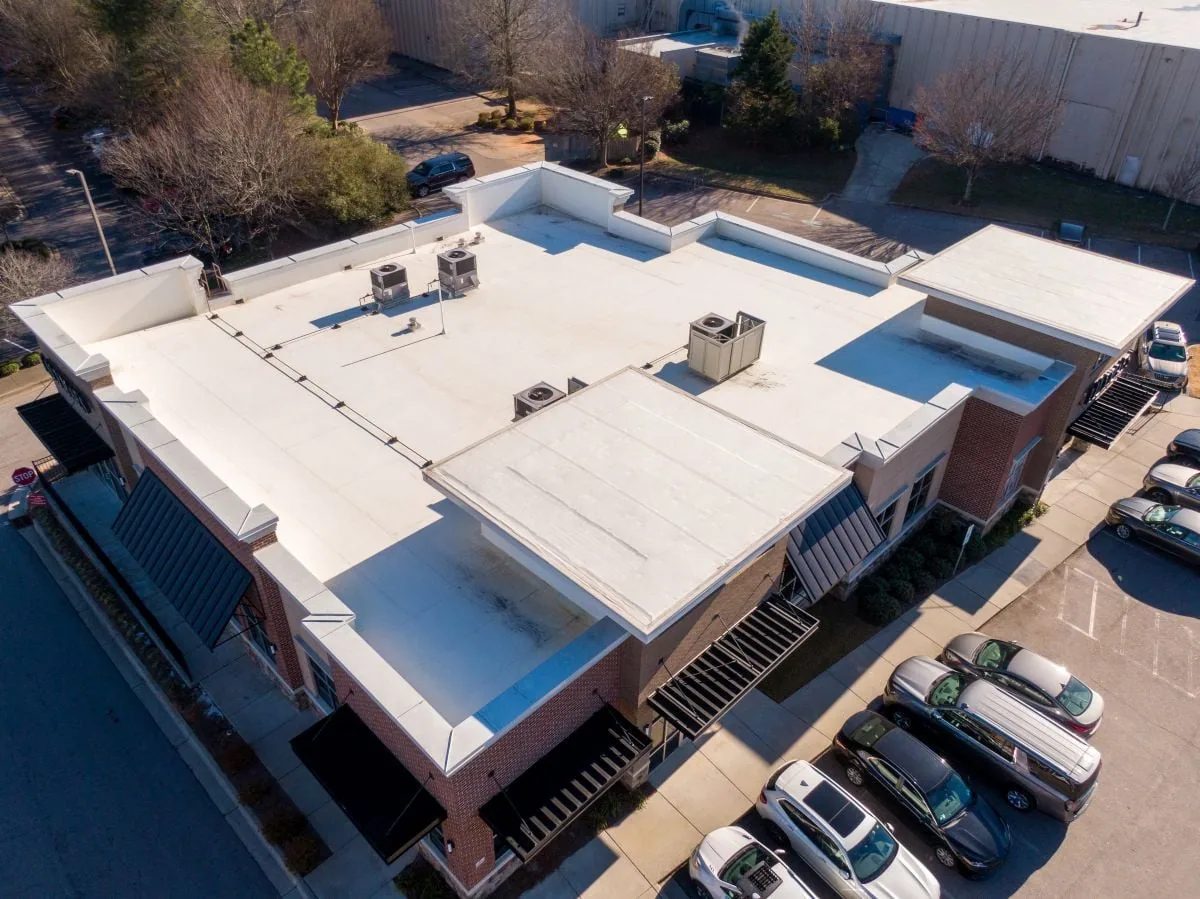
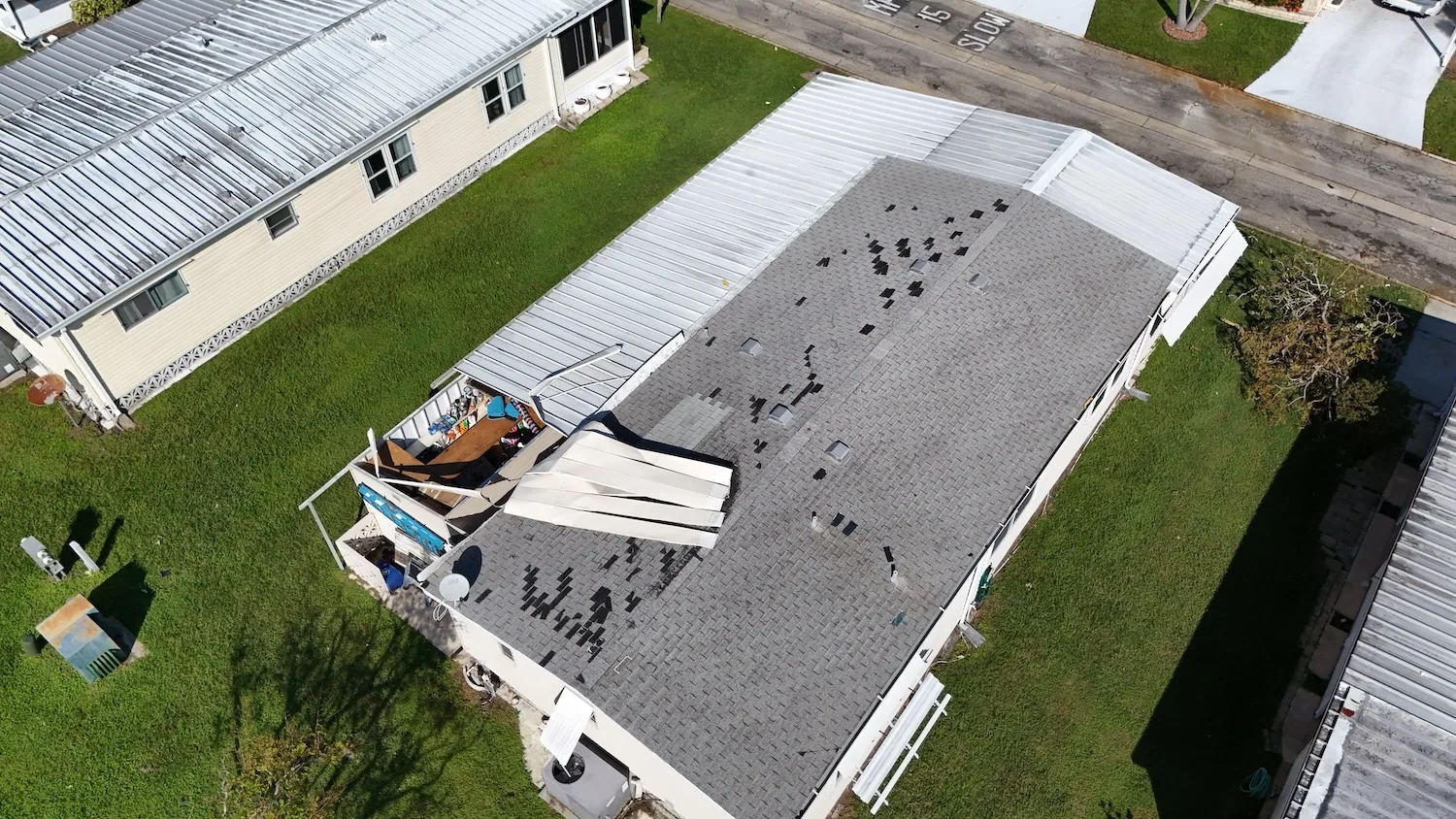
A storm inspection walks the entire roof, not only the area the owner reported. We record impacts on membrane and metal, fractured or displaced flashings, loose or missing edge metal, damage to rooftop units and skylights, and any water entry. Each finding gets a photograph, a location on the roof plan and a description in plain terms. We carry a chalk or marker only where the owner allows it, and we count and map impacts in test areas on the roof when the pattern is dense, so the number reported can be checked by anyone who stands in the same place. Interior ceilings, decks and insulation below the openings are inspected where access is allowed, because hidden water often tells more than the roof surface. Mechanical units that shifted in the wind, damaged condenser fins on the roof and bent screens are noted for the mechanical trades, since those items sit outside roofing scope but belong in the same claim file.
Our storm damage roof repair work starts with that record and our roof insurance claim assistance turns it into documentation an adjuster can verify on site. For hail, hail damage roof repair findings are described by size and pattern, and for wind, wind damage roof repair findings are described by location and direction.
Temporary protection and emergency response
After a storm the first job is to keep the building dry. A crew can respond at any hour, holidays included, and a temporary repair can be placed before the claim is settled. The repair is photographed and logged by location, and materials used are recorded, so the cost of mitigation is clear and the permanent scope is not compromised.
Mitigation protects the claim as well as the building. Water that enters after an unprotected opening can lead to a dispute over whether the later damage was caused by the storm or by delay. A dated temporary repair, with photographs showing the condition before and after, helps settle that question. On large roofs we also record weather during the work, including rain after the opening, because those hours can matter in a later discussion of cause.
More About Roofing for Insurance Adjusters and Restoration Contractors in Olathe, KS
Scope that returns the roof to pre-loss condition
The permanent scope follows the findings. Isolated punctures and displaced flashing may be repaired, while widespread membrane fracture, wet insulation or deck damage may call for replacement of a section. Matching existing materials, tie-ins to undamaged roof and current code requirements all affect the scope, and each one is written as a separate line. When a membrane is discontinued or the color or profile of metal no longer matches, the file records the available alternatives and what each would change, so the adjuster is not asked to approve a substitution without seeing it.
Permits in Olathe follow the 2018 editions of the building, existing-building and energy codes, in force since September 1, 2019, with the building department confirming edition and amendments job by job. Code upgrades, such as added insulation, are listed apart from like-kind repair so the adjuster and the owner can discuss coverage line by line.
Working with restoration contractors and managers
Restoration contractors who handle interior and structural work often need a roofing partner for the roof scope, and general contractors face a similar coordination task. Property managers want the roof file in a form they can forward to owners and carriers, with the date of loss, the building address on record and roof area names that match the owner's own register, the way property management companies organize theirs.
After repairs, the roof file continues as a maintenance record, with the next inspection date and any open items. A building that has had a claim should be walked again after the next major storm, and the earlier file makes the comparison simple because the same roof plan and the same photographs positions are used. The file format is the same for one building in Olathe or a portfolio of storm-affected properties across the metro. Mitigation companies that arrive first can hand over their moisture readings and photographs, and the roof file adds the field findings from above, so the interior scope and the roof scope refer to the same dates and rooms.
Commercial Roofing Questions
How can an adjuster tell hail damage from age-related wear on a membrane?
By pattern and location. Hail impacts show a consistent size and spread across exposed surfaces, while wear concentrates at seams, drains and flashings. Photographs with scale and a roof plan location help the adjuster check each finding.
Why does temporary protection matter for the claim?
Because later water damage can be disputed if the opening was left unprotected. A dated temporary repair with photographs shows the building was protected promptly.
Are code upgrades part of storm repair scope?
They are listed separately from like-kind repair so coverage can be discussed line by line. The applicable code edition is confirmed with the city.
Does the May 2024 event mean every Olathe roof was damaged?
The survey described a path from Gardner into Olathe, and each roof, inside the path or near it, is judged on the damage observed on that roof.

Send the loss date and the claim file
Share the date of loss, roof plans, prior inspection reports, photographs and the access contact. The storm findings we return keep event damage and age-related wear in separate columns.