Solar-Ready Commercial Roofing in Olathe, KS
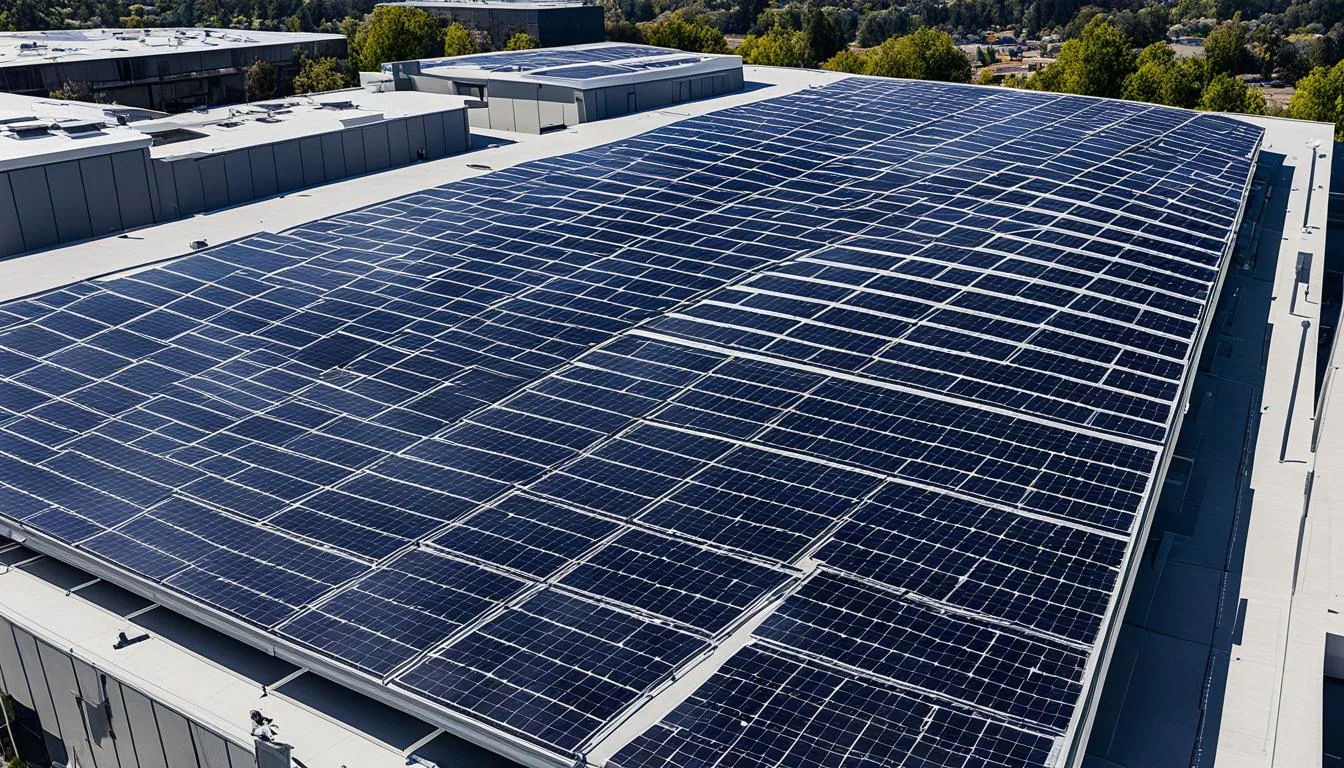
A solar proposal becomes a roof decision when the array's service life reaches beyond the current replacement window. In Olathe, NOAA normals at the Johnson County Airport station show January and July mean temperatures of 29.8°F and 78.8°F, a seasonal range that makes membrane movement, flashing condition, and access planning relevant before attachments are selected. We document the existing assembly and identify what must be repaired or renewed first, giving the owner and solar designer a shared roof-area record before either scope is fixed.
Align the roof scope with the array schedule
Share the roof plan, available warranty records, proposed attachment layout, decision date, and access contact. We can document current conditions, identify repair or renewal work, and coordinate flashing and closeout records by roof area.
Set the roof condition before array design
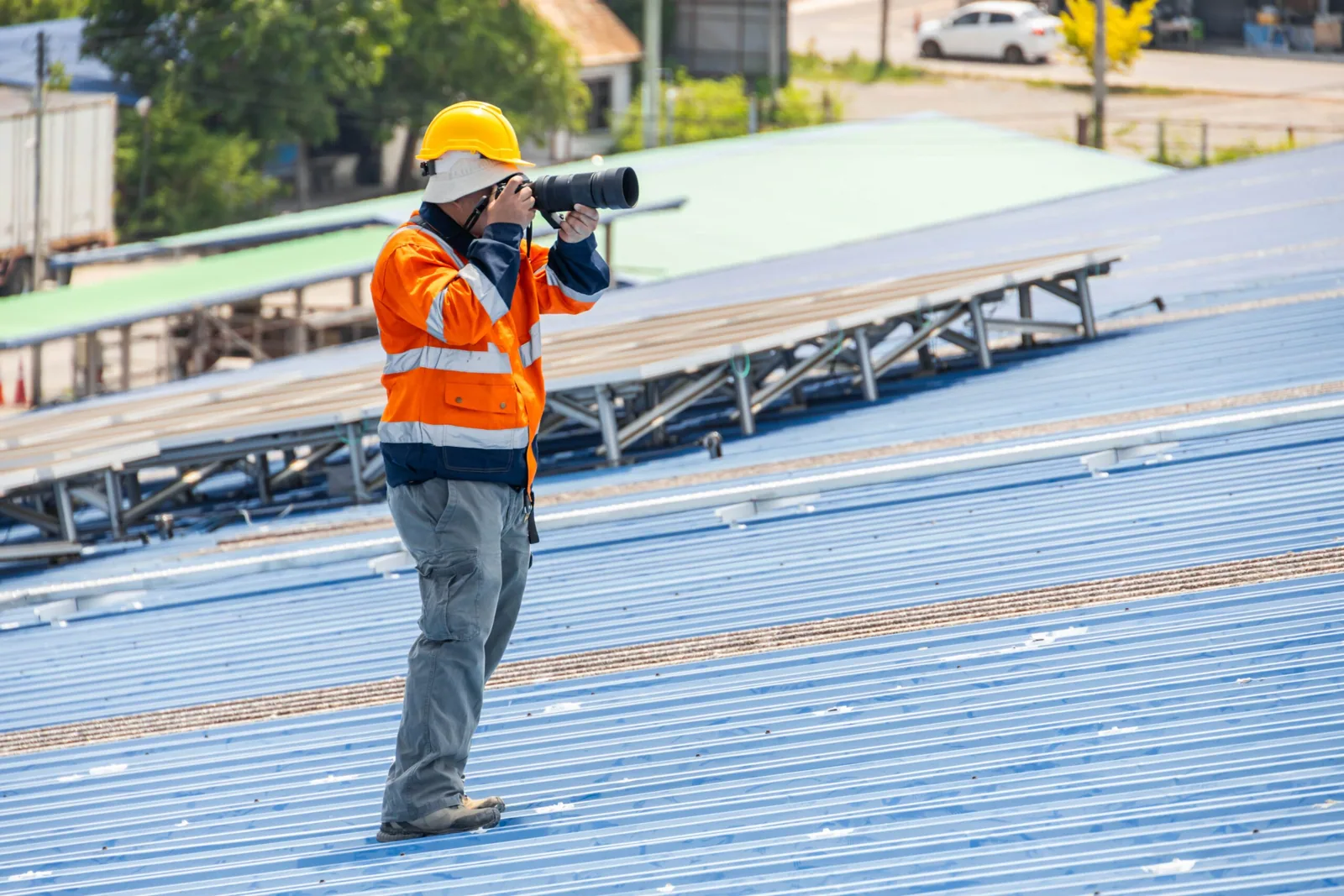
A roof that is already near its renewal trigger may need attention before equipment and racking occupy the same field. We record membrane type, visible seam condition, prior patches, drains, edge details, rooftop units, and access routes, then mark areas where moisture testing or a closer review is needed. That record helps distinguish a roof that can remain in service from one whose replacement should be coordinated with the solar schedule. It also gives the owner a basis to discuss when the roof work belongs in the capital year, rather than treating the array date as the only milestone.
Roof condition alone does not establish structural capacity for a proposed array. The engineer and solar designer determine loads, attachment spacing, wind design, and any reinforcement; our scope documents the roofing assembly and details that the attachment plan will cross. We coordinate the waterproofing sequence around approved locations and keep unresolved deck or insulation conditions visible. A roof condition review can define those findings before the mounting layout is released, while a restoration comparison can help when the owner is weighing a compatible repair and coating scope against replacement.
Keep penetrations and waterproofing in one sequence
Each attachment is a roof penetration or load path that needs to match the selected membrane, insulation, deck, and support design. We review the approved drawings, identify who installs each base and flashing component, and set the order for cutting, fastening, and closing the roof. Where the racking system is ballasted, the roof team still needs the approved load distribution and walk paths so maintenance does not damage seams or cover drain access. Details are recorded by roof area, not grouped under a generic array label.
On a low-slope membrane, curb and pipe details can become congested once conduits, inverters, and equipment are placed. We mark the roof's existing transitions, keep water paths open, and identify any attachment location that needs a revised detail before installation. If the project requires a membrane replacement, the replacement scope can coordinate new penetrations with insulation and flashing while the roof is open. For an existing compatible assembly, a TPO roof system requires the appropriate approved attachment and membrane detail, not a sealant applied after racking is in place.
Protect drains, service paths, and future repairs
Array rows can change how crews reach drains, rooftop equipment, expansion joints, and roof edges. Before work begins, we compare the equipment layout with slope, outlet locations, existing walk paths, and the space needed for inspection or repair. We record any route that would require stepping over conduits or crossing seams, then coordinate a practical access path with the facility contact and solar installer. The closeout plan should leave future technicians able to reach both the array and the roof without dismantling unrelated work.
The Olathe normal set records 37.54 inches of annual precipitation and 109.6 days with minimum temperatures at or below freezing. Drainage and flashing records therefore belong in the same roof file as the solar penetrations, because water management and freeze-day exposure remain roof responsibilities after the array is energized. We note outlets that are obscured, low areas that need monitoring, and any obstruction that should be addressed before equipment is staged. A drainage detail review can keep those conditions in the scope, and scheduling in Olathe runs by property and roof section.
Coordinate warranties and renewal dates
Existing roof documents may impose inspection, alteration, or approved-contractor requirements that affect the array sequence. We review the records supplied by the owner, identify the roof system and known limitations, and coordinate questions with the manufacturer or warranty administrator before penetrations are made. The solar contract should name responsibility for attachments, flashing, repairs, and future removals so a roof defect does not become an undefined handoff between trades. We keep the roofing scope separate from electrical and structural work, with each party's approval recorded against the same roof plan.
For a multi-building portfolio, the most useful comparison shows each roof's current condition, remaining work, proposed attachment area, and expected renewal timing. A roof requiring near-term replacement may be better sequenced before the array, while another building may support a separate installation window after repairs. We label assumptions about hidden conditions and keep provisional quantities apart from confirmed work. A capital plan can carry those alternatives into the budget review, including future removal access and the reserve needed to maintain the membrane around equipment.
More About Solar-Ready Commercial Roofing in Olathe, KS
Leave a serviceable record for the next inspection
At closeout, the property file should show attachment locations, flashing details, repair boundaries, drain access, photographs, product records, and any limits on roof traffic. We record what was visible before the array was installed and which concealed conditions remain unconfirmed. If later maintenance requires a panel or support to be moved, the roof-area register helps the owner identify the approving party and the sequence for restoring the waterproofing. Those details turn an installed array into a maintainable asset rather than a reason to defer roof inspections.
KDOT describes K-10 as a 16.5-mile corridor spanning Olathe, Lenexa, and De Soto, with industrial, high-tech, office, commercial, education, and residential uses. That variety makes a consistent record useful across properties, but each roof still needs its own inspection interval and access plan. We can retain a scope version for the roof work, link it to the array drawing supplied for that building, and list the next review trigger. When the roof and solar records stay connected without merging contractor responsibilities, the owner can compare maintenance, warranty, and replacement decisions on the same timeline.
Commercial Roofing Questions
Should a commercial roof be replaced before solar panels are installed?
Compare the observed roof condition with the planned array attachment and expected service life. We document the assembly, repairs, drainage, and areas needing further review, then coordinate that record with the designer's approved layout. If the roof is nearing replacement, sequencing the renewal first can avoid removing an array later to reach the membrane.
Who decides whether a roof can support a solar array?
A qualified structural engineer and the solar designer determine load capacity, attachment spacing, and reinforcement. We provide roof assembly details, visible condition findings, and waterproofing coordination so the design accounts for the membrane and its transitions. The roofing record is one input to that review, not a structural approval.
How are solar attachments sealed through a commercial membrane?
The approved detail must match the roof system, attachment design, and manufacturer requirements. We coordinate the order of fastening and flashing, document each penetration, and identify who restores the membrane if a support is changed. Applying a surface seal after installation does not replace a compatible, inspectable flashing detail.
What roof information should the solar proposal include?
The proposal should identify roof areas, existing system and records, condition findings, attachment locations, drain access, service paths, and any repair or replacement work that comes first. We can mark the roof plan and separate confirmed scope from concealed-condition allowances. Those details make the equipment layout easier to compare with the roof renewal window.
How should a property manager plan future roof maintenance under an array?
Keep the attachment and flashing map with inspection photos, product records, access routes, and warranty instructions. We note how technicians reach drains and seams and which party approves panel movement. The next roof review can then inspect the same areas and account for array access without treating the equipment footprint as an excluded zone.
Align the roof scope with the array schedule
Share the roof plan, available warranty records, proposed attachment layout, decision date, and access contact. We can document current conditions, identify repair or renewal work, and coordinate flashing and closeout records by roof area.