Commercial Roof Edge Metal, Coping, and Gutters in Olathe, KS
Water staining near a parapet can originate at a coping joint, a membrane return, or a gutter transition, so the visible mark alone does not define the repair. NOAA normals for Olathe show a January mean of 29.8°F and a July mean of 78.8°F, with 109.6 days annually at or below freezing. That seasonal range is the reason to check coping movement and gutter discharge. We inspect the actual edge, mark its condition by roof area, and connect the repair line to the owner’s next decision date.
A commercial roof inspection can identify whether the issue sits at a membrane termination, coping joint, gutter, or downspout connection. The report separates the roof-side flashing from the sheet-metal component, so the estimate does not combine unlike work into one allowance.
Set the roof-edge assessment
Share the building address, roof plan, edge photographs, leak or overflow report, decision date, and access contact. We can document coping, gutter, and flashing conditions as separate repair lines.
Trace the Edge from Roof to Wall
At a parapet, we examine cap joints, cleats, fasteners, end conditions, and flashing beneath the metal. A loose cover may be visible while its attachment stays concealed. We record the opening, movement, and any test removal needed to confirm the condition. Photos label the run and joint on the roof plan.
Water can enter at a splice, travel behind a termination, and appear inside away from the edge. We note open laps, failed sealant, corrosion, or a loose tie-in. A roof repair scope can address membrane or flashing; a separate line describes coping replacement.
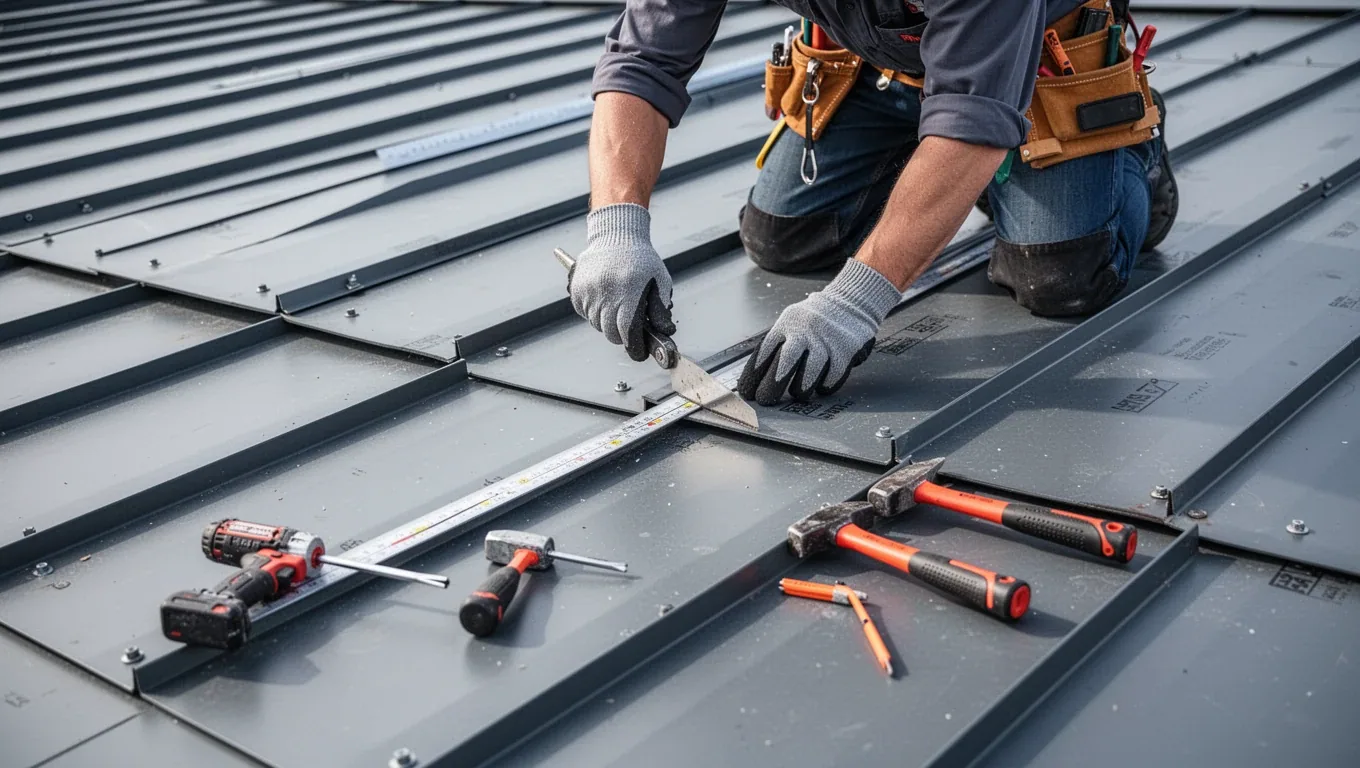
Metal panels need a different review. We check ends, cleats, fasteners, closures, and movement joints before selecting a correction. The report identifies what can be priced and what remains concealed.
If removal is needed, we photograph the blocking, membrane return, and attachment beneath the exposed cap before closing the detail. A wet or deteriorated substrate may change fastening or repair boundaries, so the owner sees that discovery before added work proceeds. The estimate states temporary protection, replacement material, and approval steps for any concealed condition.
Follow Gutters and Downspouts to Discharge
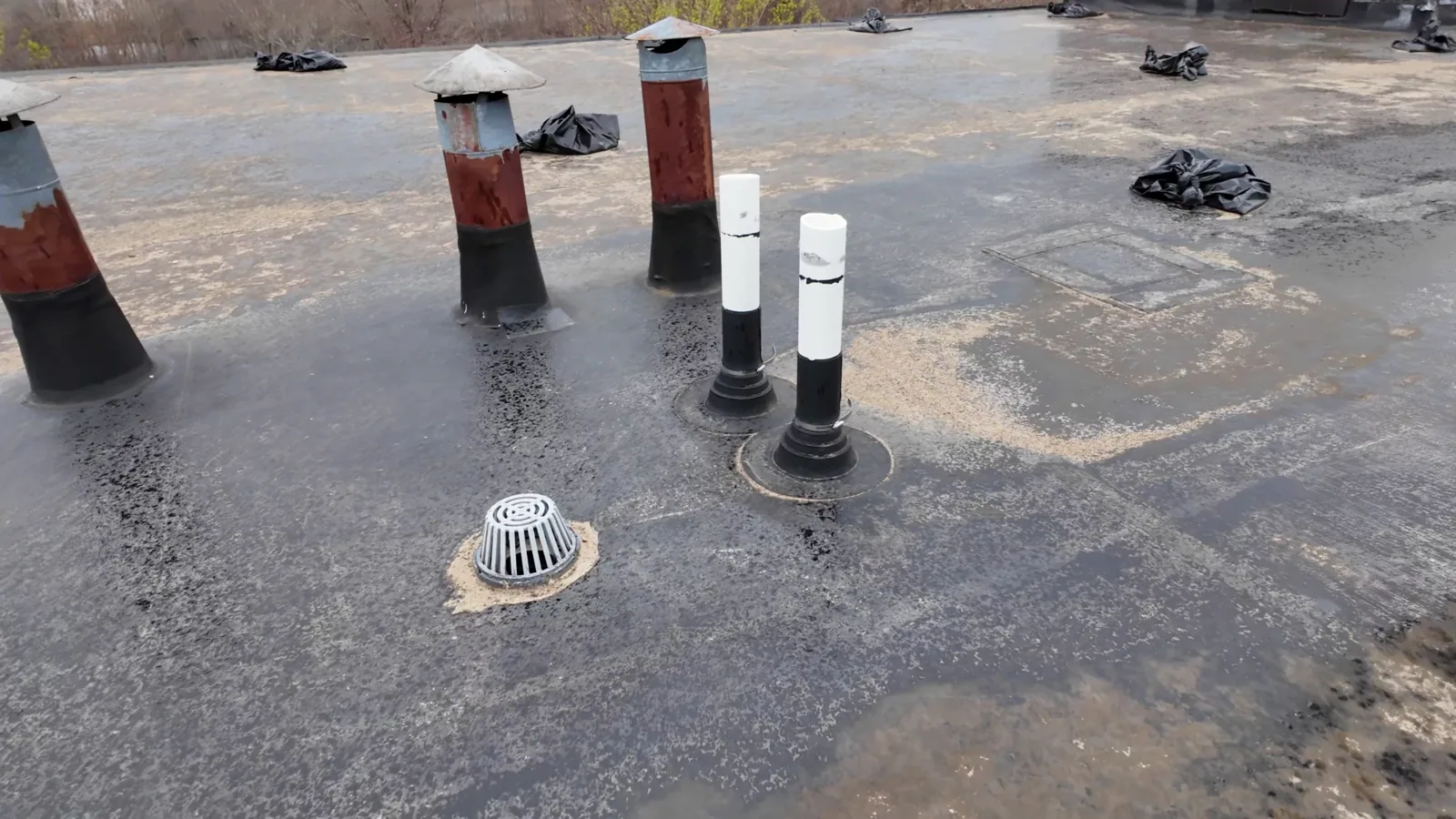
A gutter can overflow from debris, sag, a restricted outlet, or a poor transition. We check its support, slope, seams, end caps, and downspout connection, then record staining and discharge. A drain and scupper review can define the roof-side path if water also holds on a low-slope area.
Replacing a run without checking its outlet can leave the interruption in place. We trace flow, note separation, and show where roofing work ends if the downspout joins site drainage. Underground lines and grading stay outside the scope unless included.
At corners, an open joint can send water behind the run. We document the transition and whether adjacent metal needs removal. The estimate separates cleaning, resecuring, joint work, and replacement.

Schedule Edge Work around Seasonal Exposure
The Olathe climate record shows a broad seasonal temperature range and repeated freeze days. That range sets the planning context. At the property, we check fastener condition, metal laps, flashing returns, and water marks after the reported weather. The next inspection interval can focus on the same joints and gutters after a seasonal cycle, making recurrence visible in the roof-area register.
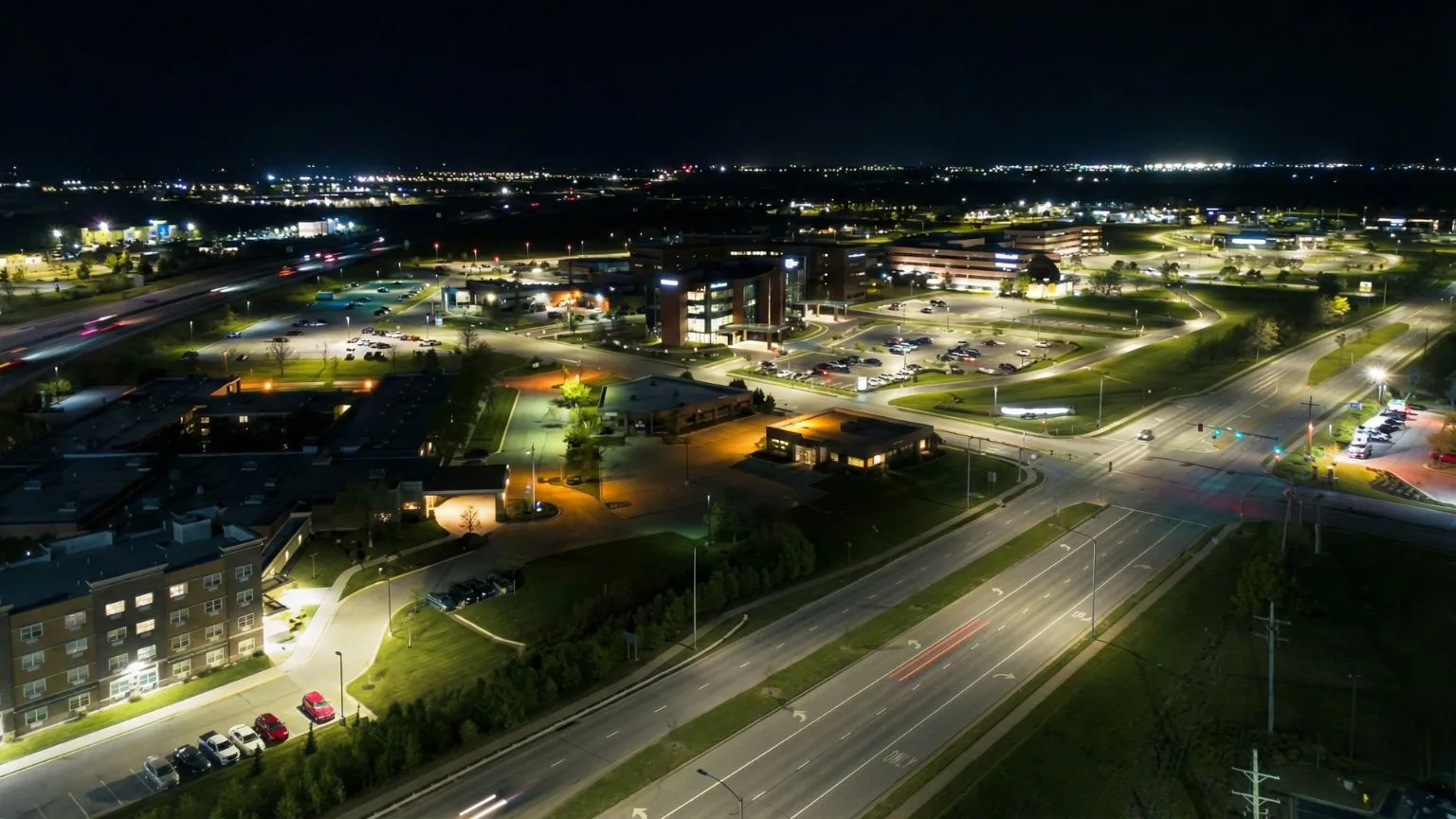
KDOT describes a 16.5-mile K-10 route from the Douglas/Johnson County line to I-435, passing De Soto, Lenexa, and Olathe. Its listed uses include industrial, high-tech, office, commercial, education, and residential areas. A facilities portfolio around that corridor may have different loading access, wall heights, and tenant schedules from building to building. Each edge on that corridor is judged on its own, and an assessment in Olathe stays tied to the address, assembly, access contact, and observed detail.
If work occurs above an occupied entrance or loading area, the schedule should identify barricades, material handling, and interior notification. A gutter repair may also need coordination with a façade or drainage trade. We record the access window and staging limit in the bid basis so the owner can compare labor sequence as well as metal quantities.
Define Metal, Fastening, and Tie-In Quantities
The estimate should identify the run length or count of details being addressed, the metal type and finish when established, attachment method, splice treatment, and membrane or wall tie-in. We record whether existing material can remain and which sections need removal. If concealed wood blocking, fasteners, or a deck edge could change the work, the scope states what opening will verify it and how an added quantity receives approval.
Metal fabrication, corner geometry, finish selection, access, and the number of splice joints can change the bid basis. We identify which pieces are field-repaired and which need replacement, then show whether the new edge ties into existing membrane, a wall flashing, or a metal panel. If materials need ordering, the schedule notes that dependency alongside roof access and any weather window for the tie-in.
For a metal roof, a standing-seam assembly review can keep panel movement and edge conditions in view. Where a larger roof section is deteriorated, compare the repair with a replacement option using the same perimeter assumptions and water-management details. A new membrane field does not resolve a disconnected gutter or an unreviewed coping return by itself.
Keep the work boundary visible in a drawing or marked photograph. The document lists areas excluded, adjacent trade work, and any condition that could extend the run. A photo-based condition record can preserve the Diligence Notes, proposal revision, and closeout image together for the next capital review.
More About Commercial Roof Edge Metal, Coping, and Gutters in Olathe, KS
Carry the Edge Condition into Renewal Planning
Closeout lists the edge section, materials, joint correction, photographs, and adjoining area left open. If a water test was performed, include its location and result. The next inspection can compare the same splice, termination, or outlet.
Repeated separation or failed attachment may affect a replacement window even when the field remains serviceable. We record that choice separately. A capital-year review carries edge work into the reserve plan with assumptions intact.
Send the roof plan, edge photographs, reported leak or overflow, prior repairs, decision date, and access contact. We will document the interface and prepare separate gutter and flashing lines for approval.
Commercial Roofing Questions
How can I tell whether a coping leak is in the metal or the roof flashing?
We inspect the cap joints, attachment, wall return, and membrane termination together, then map the detail and any interior report. The proposal separates metal work from roof flashing so the owner can compare both lines. If part of the interface is concealed, the scope identifies the opening needed to confirm it.
Should a gutter be replaced if it overflows during heavy rain?
Overflow can come from a blocked outlet, poor slope, a sagging section, or a restricted downspout. We trace the flow route and record the component that limits discharge before pricing cleaning, repair, or replacement. The work boundary shows whether connected site drainage is included.
Can new edge metal be installed without replacing the roof field?
It may be possible when the existing assembly and terminations can accept a compatible tie-in. We inspect the membrane edge, blocking, attachment, and adjoining wall detail, then define any testing or removal needed. The scope keeps edge renewal distinct from unrelated field work.
What changes the timing for coping or downspout work?
Access at the roof perimeter, tenant routes, loading use, staging, metal fabrication, and coordination with façade or drainage trades can set the sequence. We list those dependencies and any weather limits before setting a work window. The owner receives a schedule tied to approved access, not an unsupported completion promise.
What belongs in the closeout record for an edge repair?
Keep the repaired run, metal or flashing material, attachment detail, dated photographs, approved changes, and any excluded section together. If testing was performed, note where and what it showed. That record gives the next inspection a specific joint or outlet to revisit.

Set the roof-edge assessment
Share the building address, roof plan, edge photographs, leak or overflow report, decision date, and access contact. We can document coping, gutter, and flashing conditions as separate repair lines.