Commercial Roofing in Mission, KS
Capital year decisions for a Mission, KS roof usually turn on three records: the drainage record, the insulation condition, and the list of what sits on the roof surface. Mission had a 2025 Census estimate of 10,013 residents, with 2022 retail sales of $251,296 thousand and transportation and warehousing receipts of $45,176 thousand, so its buildings serve shoppers, tenants and freight alike. Mission owners get low-slope and metal commercial roofing from repair to replacement, and we begin by documenting what the roof carries, how it drains, and how much of the assembly beneath the membrane is still dry.
Send what is on the roof and how it drains
Share the roof plan, equipment list, drainage notes, earlier reports and the date a decision is needed for your Mission property. We will respond with a documented assessment that keeps repairs separate from capital planning assumptions.
What sits on the roof matters as much as the membrane
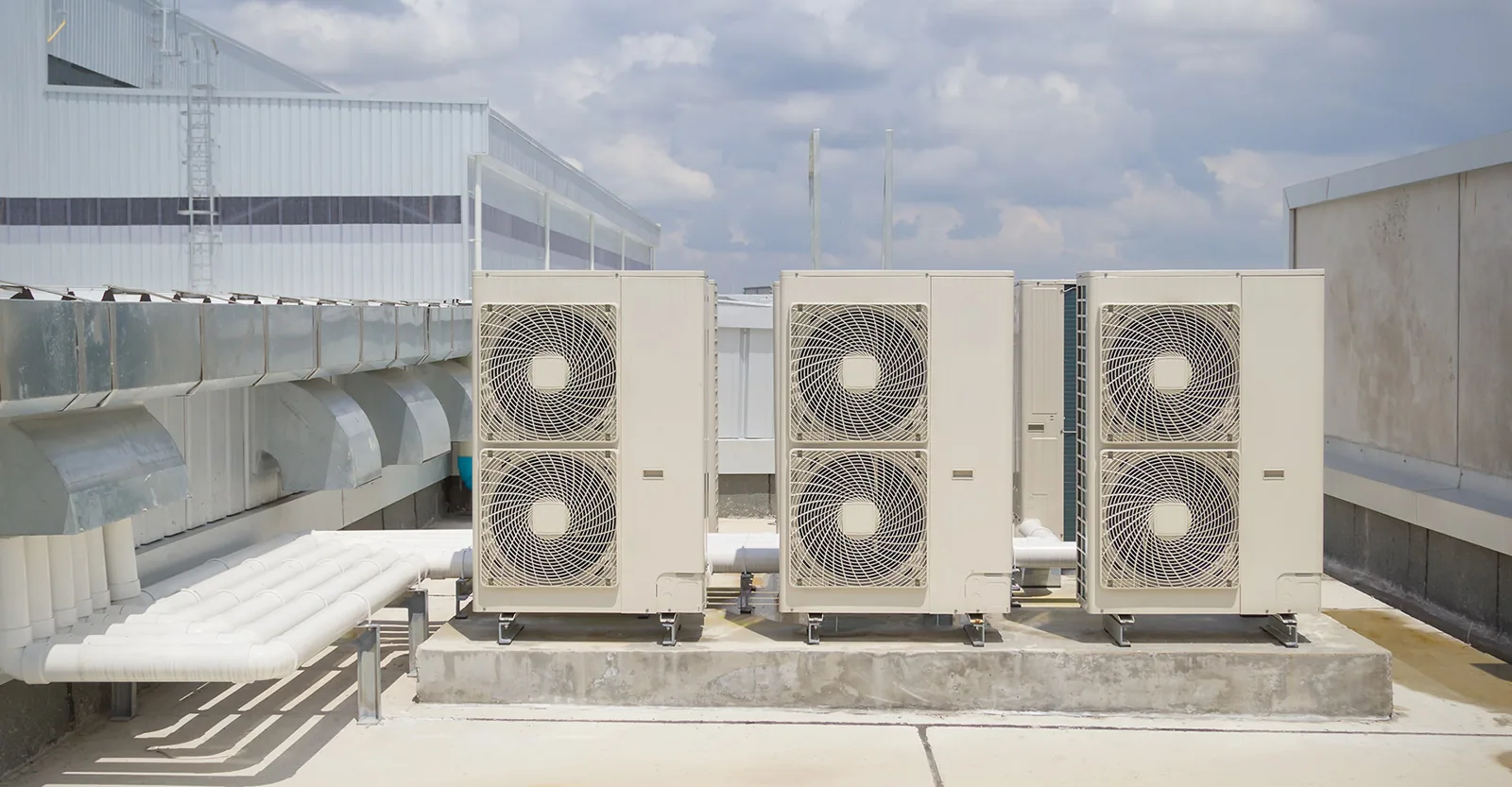
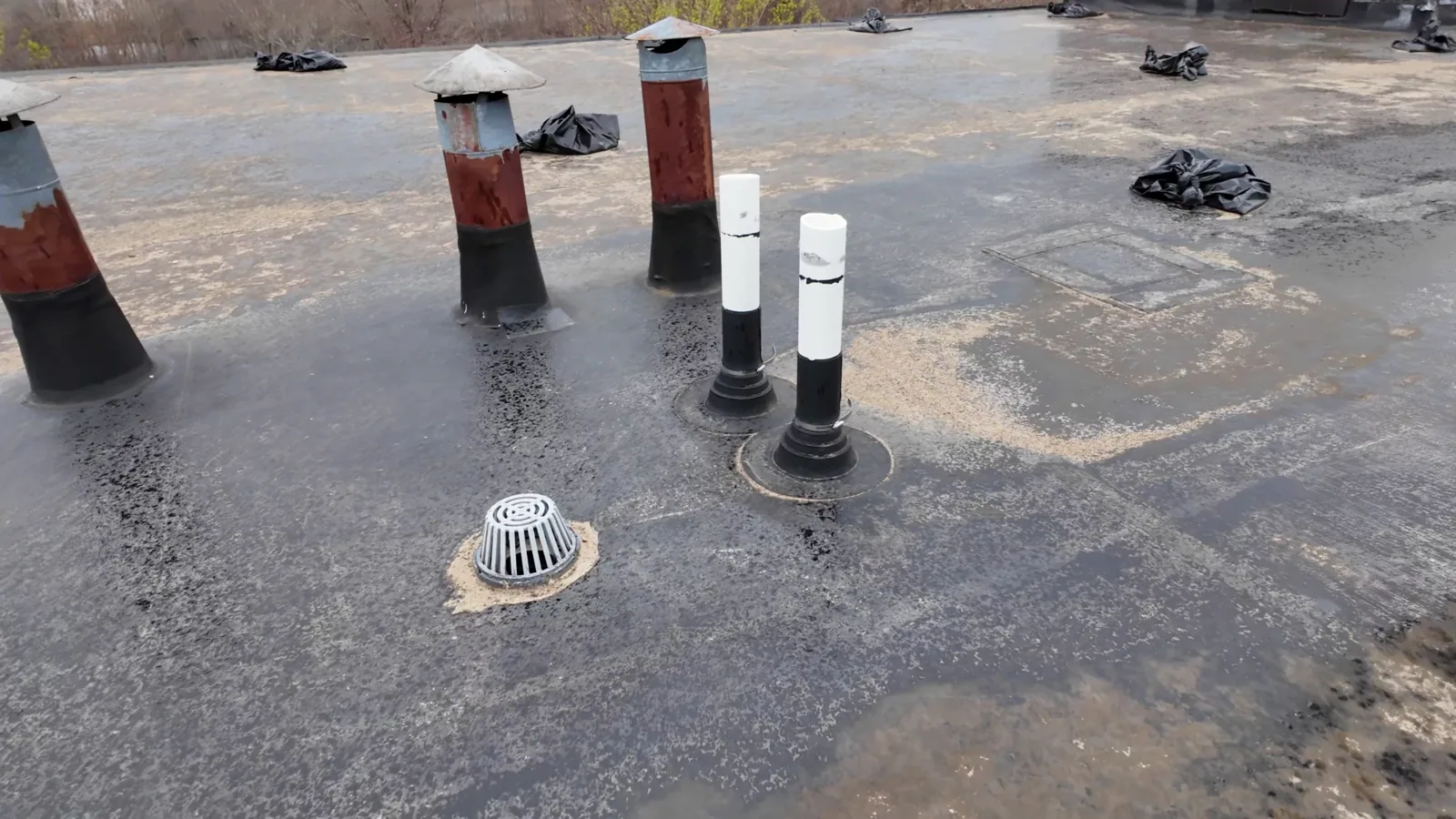
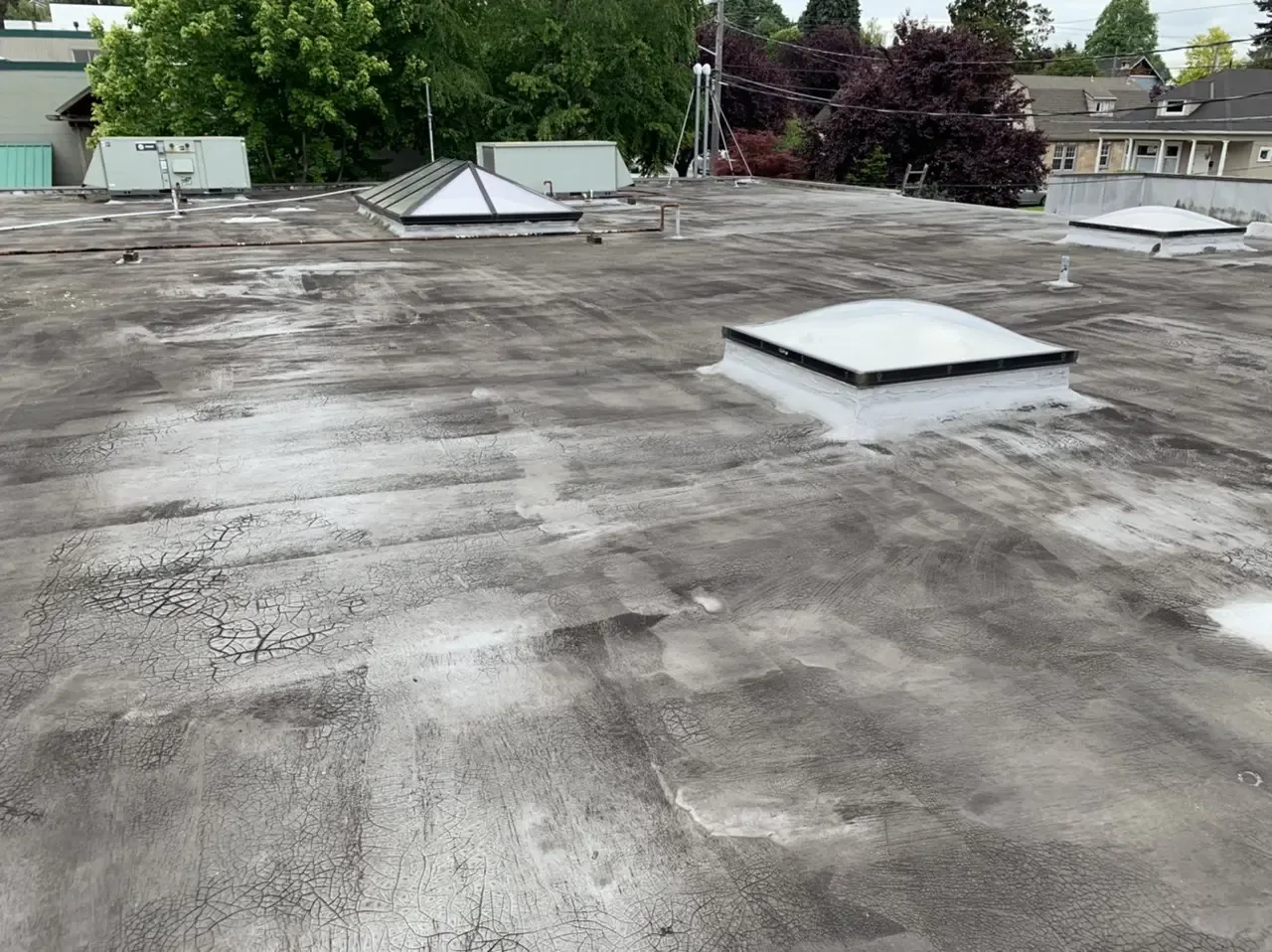
Commercial roofs collect equipment over the years: rooftop units, exhaust fans, conduit runs, antennas, signage frames and satellite mounts. Each one adds a penetration or a curb, and each penetration is a place where a flashing can crack, a sealant can dry out, or a support can shed water into a seam. In a retail or mixed commercial setting, where tenants change and equipment changes with them, the roof surface often shows a record of every past installation. We map those items, check the flashing at each, and note which supports sit directly on the membrane without protection.
Foot traffic adds wear along the paths service technicians use. A worn walkway pad or a scuffed membrane near an air handler tells us where maintenance visits happen, and where a crack or puncture is most likely to start. Where tenants have added equipment without an owner's record, we also compare the roof with the drawings and flag any penetration that was cut and sealed by someone else, since those are the joints most likely to be under-detailed. Our rooftop equipment curbs and supports work addresses these conditions directly, with raised curbs, new flashing and walkway protection where traffic is concentrated.
Drains, insulation and what lies under the membrane
A membrane is only the visible layer. Beneath it, insulation and cover board carry the thermal performance and give the membrane a firm surface. If water enters through a seam or flashing, it often spreads sideways within the insulation, so the stain inside the building can sit well away from the entry point. That is why we use infrared imaging and, where needed, core samples to define the wet area before pricing any repair or recover.
Drainage is the other half. The nearest normals, from the Olathe airport, put annual precipitation at 37.54 inches with freezing lows on 109.6 days, and a roof that holds water through those freezes works its seams harder than a roof that sheds it. We check that drains are clear, strainers are in place, scuppers are not choked with debris, and slopes direct water to them. Where an area holds water, we recommend drain and scupper work or tapered insulation as part of the scope, so the new roof does not inherit the old problem.
Edges and walls deserve the same scrutiny. Counterflashing that has pulled out of a masonry reglet, a parapet cap with open joints, and base flashing that has shrunk away from a wall are all common entry points, and each can be corrected without disturbing the field of the roof when it is caught early. We photograph these details at close range, record the condition, and rank them by how much water each could admit during a heavy rain.
Reading a bid basis side by side
When an owner collects several bids, the numbers often differ because the scopes differ. One may include tear-off and a new cover board, another a recover with no moisture testing, a third only a partial repair. We write our scope version to name the membrane type and thickness, the insulation and cover board, the flashing and edge metal, the drainage corrections, the penetrations to be rebuilt, and the cleanup. That lets an owner compare like with like.
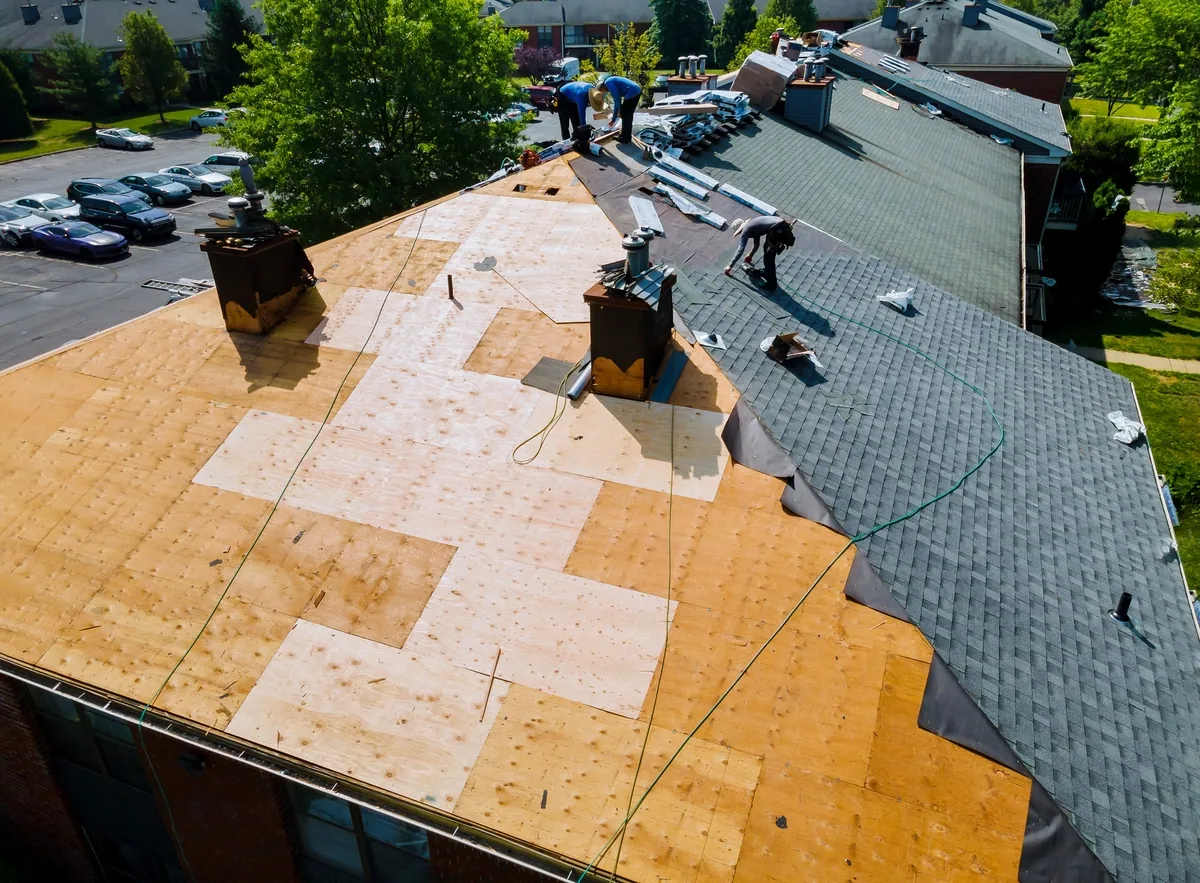
The cost drivers are straightforward: roof area, the number of penetrations and equipment curbs, whether tear-off is required, the condition of the deck, the insulation value specified, access for materials, and the phasing demanded by tenants. A commercial roof replacement quoted on a stated basis gives the owner a defensible number to bring to a lender or partner, and a roof recover quoted beside it shows exactly what the lower-disruption path leaves in place.
Storm triggers and the inspection interval
Surveyors traced the May 19, 2024 wind damage across Gardner and Olathe with an estimated 80-mph peak, and logged several brief tornadoes elsewhere in Johnson County. Mission is not named. An owner who believes a building sat in the reported path has a reason to inspect, and the result goes in the file whether it finds damage or not. A clean finding is useful too: it dates the roof's condition after the event and gives the owner a baseline to compare with at the next visit, which matters if a leak appears months later and someone asks when the roof was last seen dry. Kansas City-area hail is part of the picture too, so the post-storm checklist covers membrane bruising, metal dents and torn flashings.
Beyond storms, we set the inspection interval by condition. A roof with several equipment penetrations and a history of repairs earns a spring and fall visit, while a clean, dry roof may be seen once a year. Our commercial roof inspection notes each change from the last visit, which lets an asset manager see trends. For active leaks, emergency roof repair is available at any hour, and an owner with other properties can compare the Mission roof with buildings in Overland Park or Roeland Park.
A last point on records: keep every roof-related invoice, even small ones. A series of small repair tickets at the same drain or curb tells the story of a recurring defect better than any single report, and it gives the capital discussion the evidence it needs to move from patching to a planned correction.
More About Commercial Roofing in Mission, KS
Commercial Roofing Questions
Why do you map rooftop equipment before quoting a repair?
Penetrations and curbs are where most roof leaks start. Knowing how many there are, how they are flashed, and whether any are abandoned lets us price the scope accurately and recommend removing equipment supports that no longer serve a purpose. It also keeps the bid from missing details that become change orders later.
How can wet insulation be found without removing the roof?
Infrared imaging, taken when the roof surface is cooling after sunset, shows warm and cool patterns that reveal trapped water. We confirm suspect areas with cores or a nuclear or capacitance meter reading, mark the wet boundary on the plan, and use that boundary to decide between local replacement and a full tear-off.
Two bids for my Mission roof differ widely. Which one is right?
Compare what each bid includes: tear-off or recover, insulation and cover board, drains, flashing, edge metal, and the number of penetrations rebuilt. A low number often omits one of those. Our scope version lists every item so the comparison rests on equal ground.
Does a store or office stay open during a roof replacement?
Usually yes. We phase the work by section, protect entrances and deliveries, and schedule noisy tasks around the tenant's needs. Interior protection goes in below any area being opened, and an access contact on site can approve added work the same day if concealed damage turns up once the old membrane is lifted.
How soon after a storm should the roof be checked?
As soon as access allows, especially if water has appeared inside or debris landed on the roof. Early photographs and a dated walk make later claim documentation and repair decisions much easier.
Send what is on the roof and how it drains
Share the roof plan, equipment list, drainage notes, earlier reports and the date a decision is needed for your Mission property. We will respond with a documented assessment that keeps repairs separate from capital planning assumptions.