Commercial Roofing in Basehor, KS
A Basehor, KS owner with only a few buildings benefits from knowing exactly which roof areas can wait and which cannot, because every unplanned replacement lands on a small reserve. Basehor had a 2025 Census estimate of 8,249 residents, with 2022 retail sales of $29,855 thousand and accommodation and food-services sales of $5,493 thousand, which marks a modest commercial base where each roof matters. We repair, recover, replace and maintain low-slope and metal commercial roofs, and we start each Basehor assignment by writing down what the roof is made of, how it drains, and where it leaks.
Put the Basehor roofs on a plan
Send the roof plan, repair history, leak locations, decision date and access contact. Our reply is an assessment that lists present repairs apart from capital planning assumptions.
Standing seam panels and how they fail
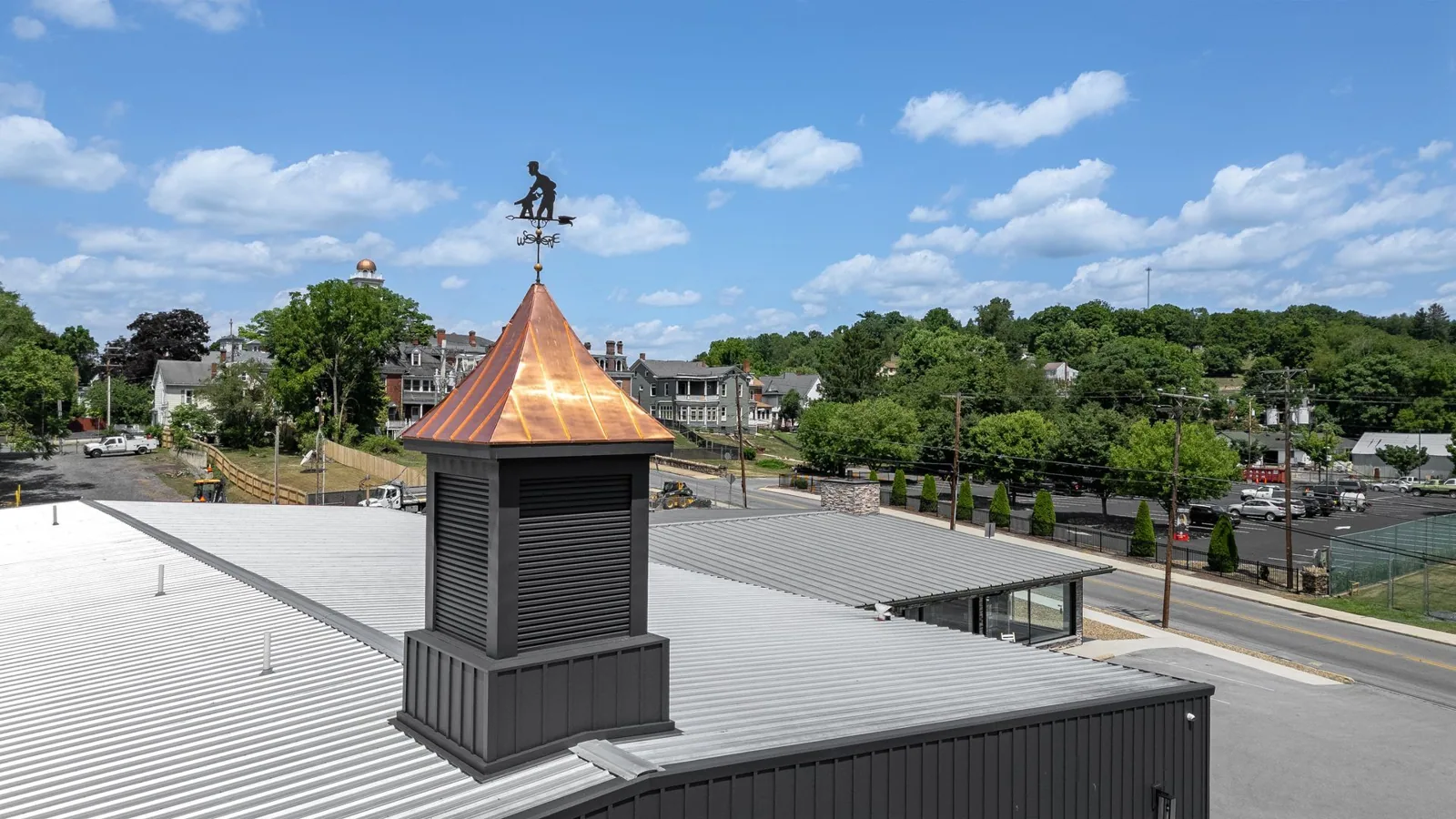
Metal roofs are widely used on commercial buildings, and they fail in ways that differ from membranes. A standing seam system relies on clips that hold the panels while allowing them to expand and contract. If a clip is missing, installed out of position, or restrained by sealant, the panel can stress at its fasteners and open a small hole through temperature movement alone. In the Olathe airport normals an average January runs 29.8°F and an average July 78.8°F, and a long metal panel responds to a swing like that every year.
We check clip spacing where it is visible, inspect seams at panel ends, look for fastener back-out on exposed-fastener panels, and examine the sealant at penetrations. We also note corrosion at cut edges and scratches in the finish, because a coating failure can start rust that eventually perforates the panel. Where panels are sound but fasteners are loose, a retrofit of fasteners and sealant is often enough. A broader standing seam metal roofing replacement is for roofs with systemic failure.
Moisture can also hide in the details. Where a panel meets a wall, a ridge cap or a transition to a low-slope section, the joint depends on closures, sealant and lapped metal, and a gap at any of them can feed water into the insulation beneath. We trace staining inside the building back to the exterior joint that feeds it, because the entry point is rarely directly above the stain.
Penetrations, skylights and curbs
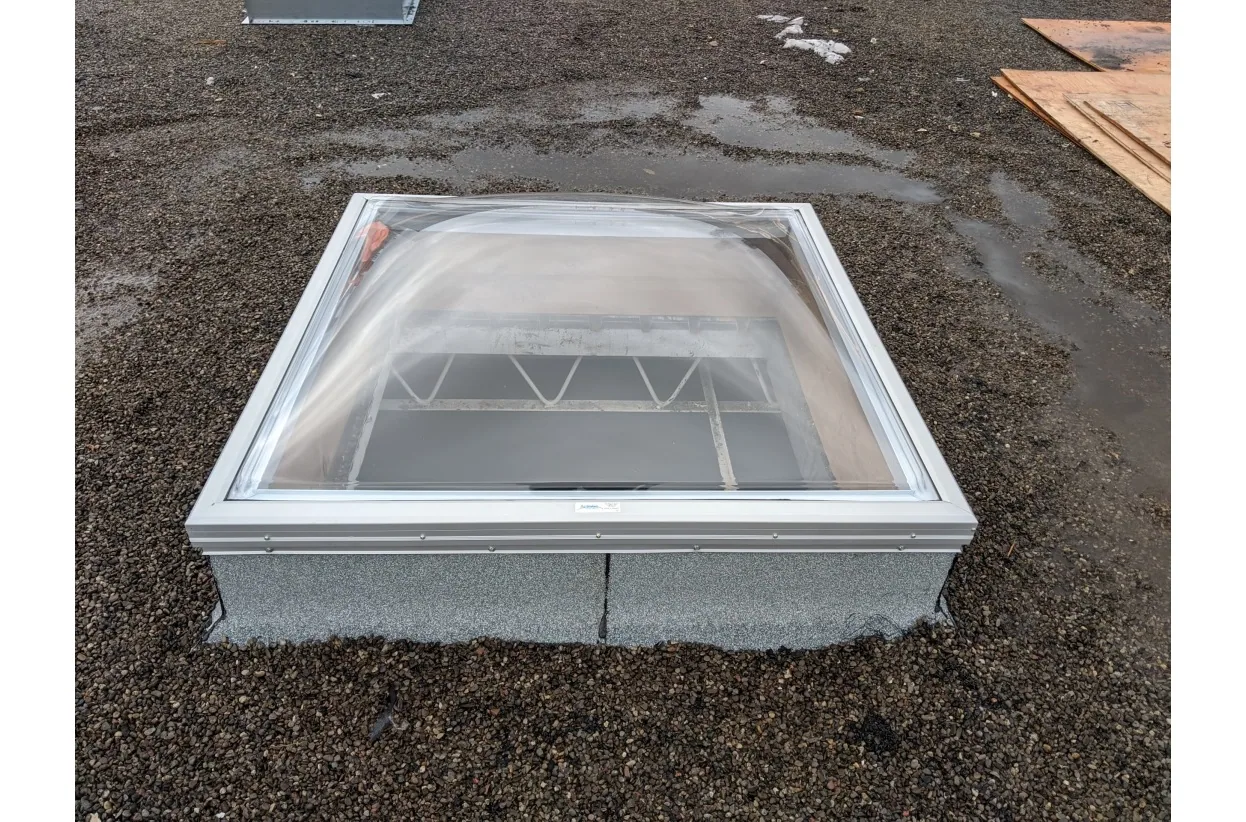
Whatever the roof type, penetrations are where leaks start. Vent pipes, exhaust stacks, skylights and rooftop unit curbs each interrupt the roof surface, and each depends on flashing and sealant that weather over time. A skylight frame that has shifted, a pipe boot that has cracked in the sun, or a curb with open corners can admit water for years before a stain appears.
On the first walk we list every penetration, check its flashing, and rate the condition. Our skylight and penetration flashing work replaces failed boots, rebuilds curbs, reseals frames and adds proper counterflashing where the original was minimal. The list also reveals clusters: if five pipe boots from the same era have cracked, we recommend replacing the rest before they fail, since the labor to return is more costly than the extra boots.
Repair, retrofit or replace on metal and membrane
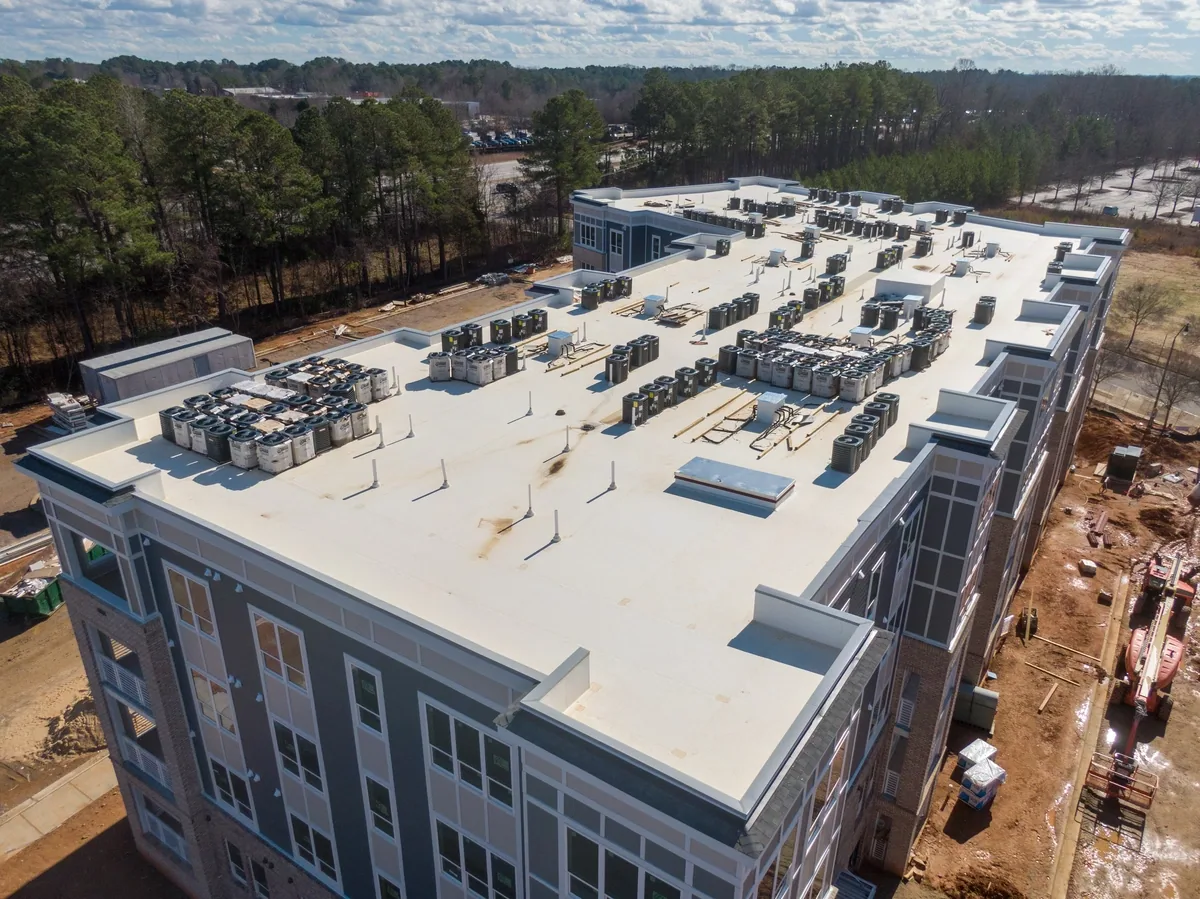
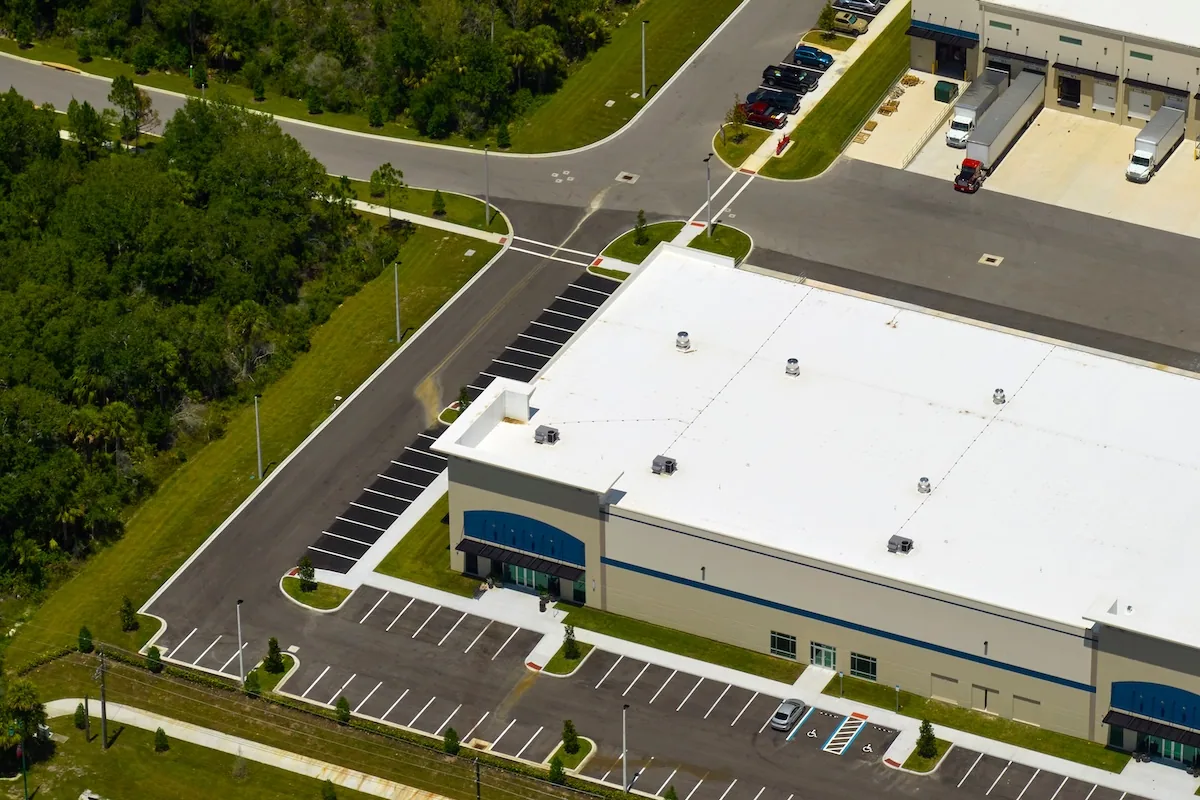
The choice follows the findings. A metal roof with sound panels and failing sealant is a repair candidate: fasteners are reset or replaced, seams are resealed, and flashings are rebuilt. A metal roof with corroded panels, widespread fastener failure or distorted seams may be better served by a retrofit over the existing surface or a full replacement. For low-slope membrane roofs, dry insulation and isolated defects point to repair or recover, while saturated insulation points to tear-off.
Each path has a different cost driver. Repairs are driven by access and the number of details. Recovers are driven by roof area and the preparation required. Replacement adds tear-off, disposal and deck repair. A TPO roof replacement and a metal retrofit can be priced on the same footing, which helps an owner choose by service life and tenant disruption, not by first cost alone.
Setting a reserve plan for a few roofs
An owner with one or two buildings cannot absorb an unplanned replacement as easily as a large portfolio. A reserve plan turns the roof-area register into a schedule: this year's repairs, next year's watch items, and the estimated replacement window for each area. We provide the condition findings, and the owner assigns dollar figures from bids and accounting.
Annual precipitation at the Olathe station is 37.54 inches, with 109.6 days at or below freezing, so we advise setting aside time for an autumn walk that clears drains and checks seams before winter. Where a roof is near the end of its life, we suggest getting a roof capital planning assessment a year or two ahead, which lets the owner compare options without an emergency deadline and spread the cost across more than one budget year.
For food-service and retail tenants, the plan also records which repairs need to happen outside trading hours, since a customer-facing space cannot easily lose a lunch service or a weekend sales day. Writing that constraint next to the repair item keeps the work from being scheduled at the wrong moment and avoids a change in scope after the crew has mobilized.
More About Commercial Roofing in Basehor, KS
Wind, hail and the time to respond
The wind survey for the May 19, 2024 storm line ran from Gardner on into Olathe, surveyed near 80 mph and did not name Basehor, so it applies here only to a building an owner knows lay in that path. Hail is part of Kansas City-area thunderstorm climatology too, and the useful response after any storm is a walk that checks edge metal, panel seams, flashing and drains.
If a roof opens, emergency roof repair is available at any hour, with temporary protection recorded separately from the permanent fix. Planned work is phased for occupied buildings, with entrances and deliveries kept clear. Owners can place a Basehor building in the same register as properties in Olathe or Shawnee, and a commercial roof repair scope follows the same format at each address.
Before any permanent work begins, we confirm the access route to the roof, the location of fall protection tie-off points, and whether tenants can tolerate noise during certain hours. Those details are listed in the scope version so every party sees the same sequence.
Commercial Roofing Questions
Why would a metal panel leak without any visible damage?
Movement can enlarge a hole around a fastener, or a panel can shift at a clip, so water enters at a point that looks sound from a distance. We examine fasteners, seams and penetrations at close range and mark the leak path on the plan.
Is it cheaper to replace all the pipe boots at once?
Often yes, when they are the same age and showing the same cracking. Returning for each failure costs access and labor every time. Replacing the group during one visit usually costs less and closes a recurring leak source.
How far ahead should a Basehor owner plan a roof replacement?
A year or two before the expected window gives time to survey, compare options, and spread the cost. We provide condition findings and replacement options, so the owner can set a reserve with evidence behind it.
Can a leaking skylight be repaired without replacing it?
Frequently. Resealing the frame, replacing flashing and rebuilding the curb corrects most leaks. If the glazing is cracked or the frame is distorted, replacement of the unit is the better choice, and we say which it is.
What records help most before a visit?
A roof plan, earlier repair invoices, warranty papers, leak dates and an access contact. Even photographs taken by a tenant can show where water appears and when.
Put the Basehor roofs on a plan
Send the roof plan, repair history, leak locations, decision date and access contact. Our reply is an assessment that lists present repairs apart from capital planning assumptions.